
Aphelion on July 6: Earth will be at its farthest point from the Sun
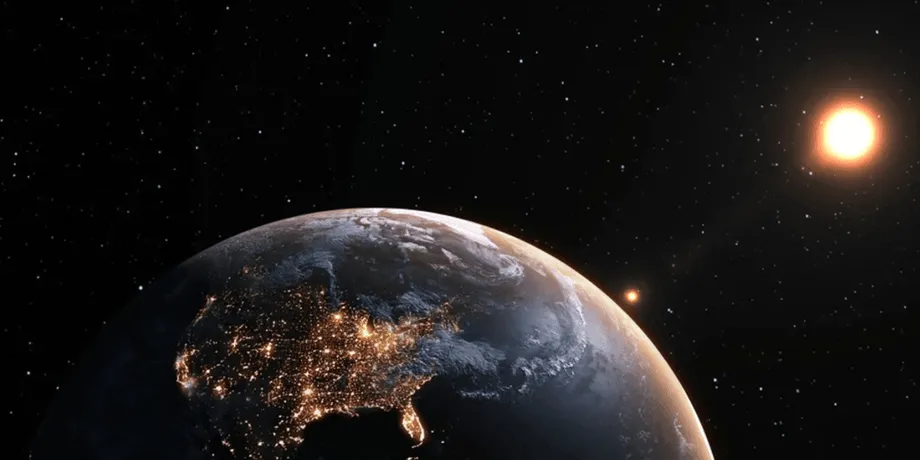
On July 6, Earth reaches aphelion—the point in its orbit where it is farthest from the Sun, approximately 152.1 million kilometers. Despite its dramatic-sounding name, this moment does not signal a cold snap or sudden changes in the weather, as the planet’s climate is determined by entirely different factors. Astronomers explain that this is a normal stage in Earth’s annual orbit around the Sun, which repeats every year.
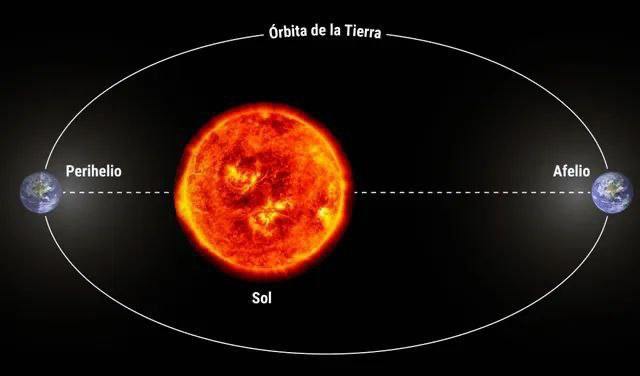
Aphelion is the farthest point in Earth’s orbit around the Sun, and it occurs around the beginning of July each year, although the exact date may vary slightly. At this point, the planet is about 152.1 million kilometers from the Sun, which is roughly 5 million kilometers farther than in January during perihelion—the closest point in its orbit. This movement is not extraordinary, since Earth’s orbit is elliptical but close enough to a circle that changes in distance occur gradually and are almost imperceptible to humans.
Contrary to common intuition, it is not the distance from the Sun that determines the changing of the seasons, and this is one of the most common myths debunked by astronomers. The main factor is the tilt of the Earth’s axis, which causes the different hemispheres to receive varying amounts of sunlight throughout the year. This is why it is summer in the Northern Hemisphere in July, even though the Earth is slightly farther from the Sun than it is in winter.
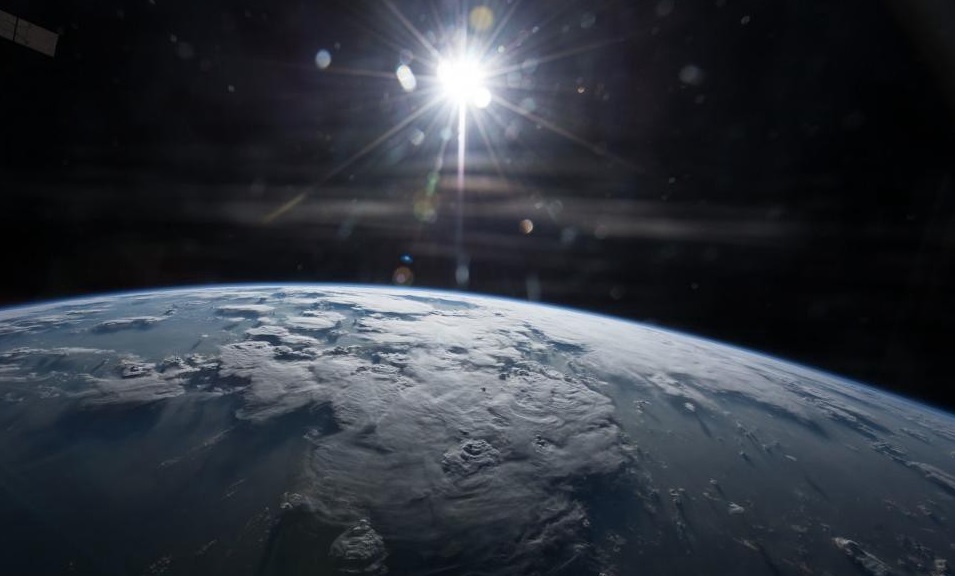
Scientists also note that at aphelion, Earth receives about 7% less solar radiation than at perihelion; however, this factor has almost no effect on air temperature. The atmosphere and oceans function as a giant heat-regulating system that smooths out energy fluctuations and prevents them from causing sudden climatic changes. That is why the difference between aphelion and perihelion is noticeable only in astronomical calculations, but not in everyday life.

It is also interesting to note that the date of aphelion is not absolutely fixed; over the years, it can change under the influence of the Moon’s gravity and that of other planets in the Solar System. Astronomers explain that Earth’s orbit slowly “pulses” and shifts, but these processes occur so slowly that they cannot be detected without precise calculations. From a long-term historical perspective, the moment of aphelion has shifted many times and will continue to do so in the future.
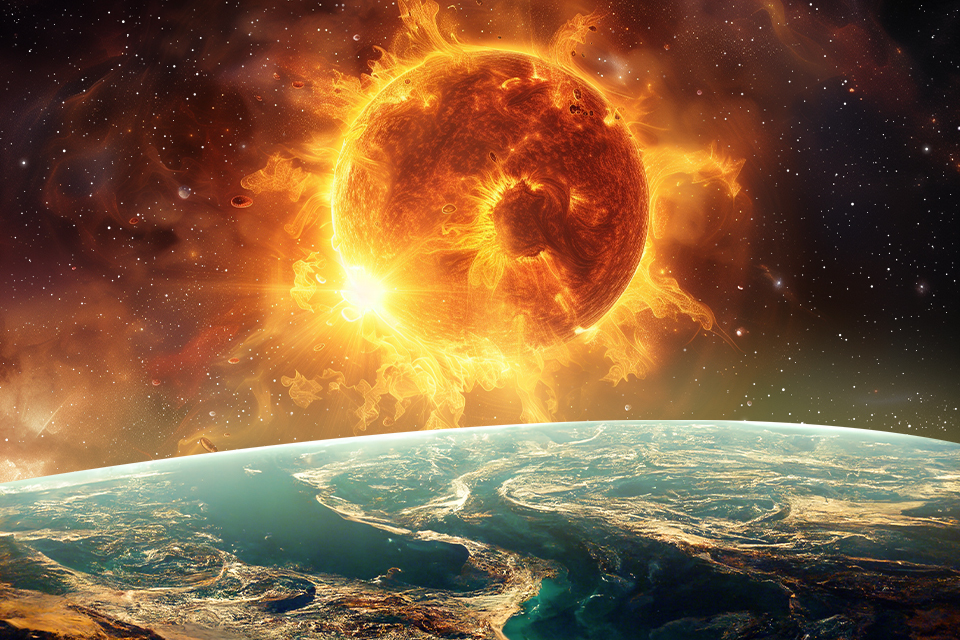
For science, aphelion is not a holiday, but an important astronomical event that helps to more accurately model the motion of planets and understand the dynamics of the Solar System. It is used in orbital calculations, climate modeling, and space missions, where the accuracy of distances is critical. For most people, it is simply a reminder that even on a cosmic scale, our planet follows precise laws of motion that repeat year after year without exception.


