
Al Jazeera: A defense pact in Mecca could change the security landscape in the Gulf
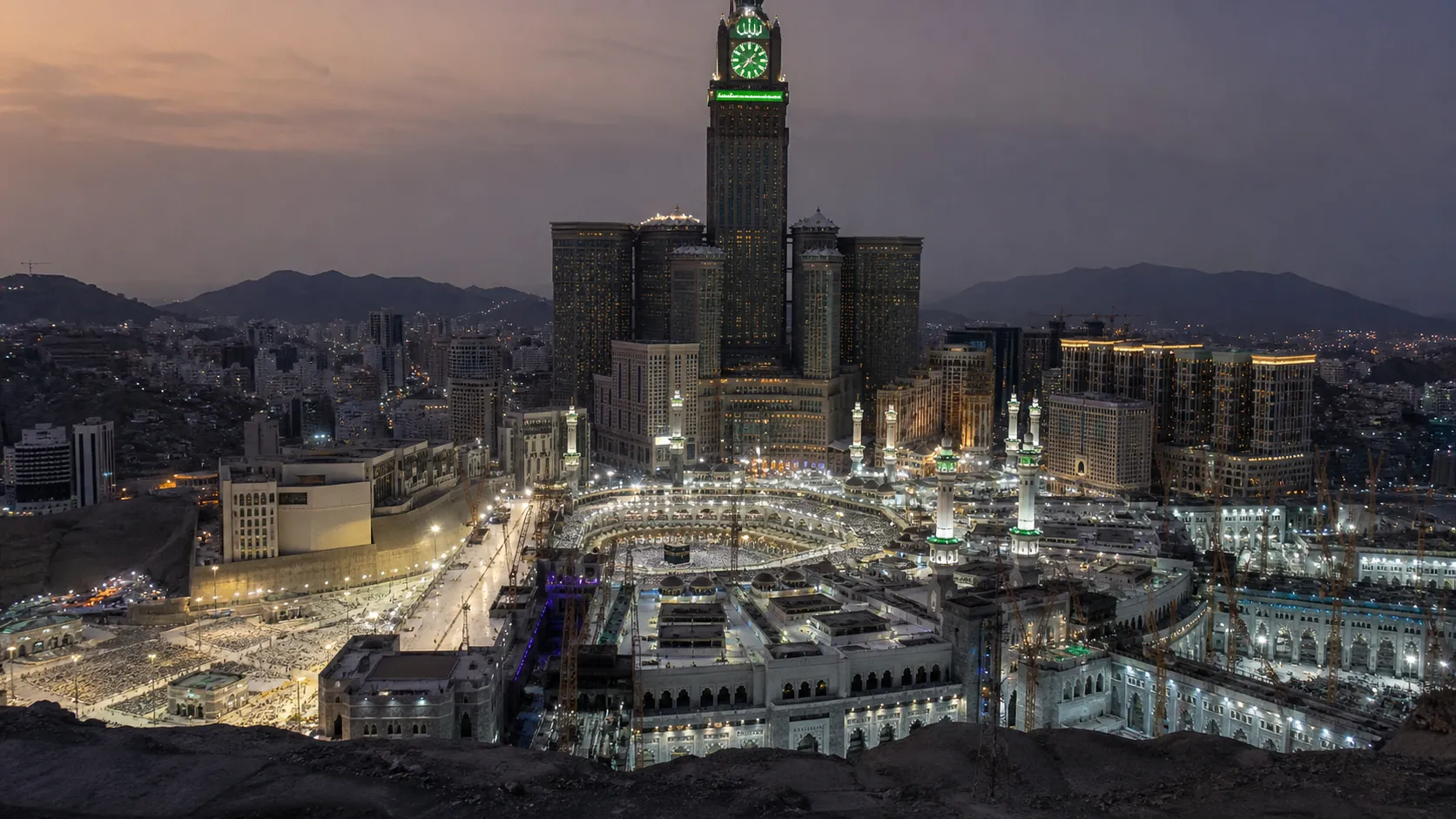
Saudi Arabia, Turkey, and Pakistan signed a joint defense agreement in Mecca on Friday. An Al Jazeera English columnist believes the agreement could lay the groundwork for a more profound transformation of the security system in the Persian Gulf region.
According to the author, the pact reflects the desire of Riyadh and other regional states not to tie their strategic security exclusively to the United States. He describes the agreement not as a rejection of the partnership with Washington, but as an attempt to expand the network of partnerships, opportunities, and room for maneuver against the backdrop of a potentially smaller and less predictable U.S. role in the region.
The author views the pact as an early attempt to form a third center of power alongside Iran and Israel. In his assessment, the goal of such a bloc is not to wage war against these states, but to prevent any one of them from dominating the region and to raise the cost of a potential attack on one of the pact’s members.
For more breaking news, follow the UA.News Telegram channel.
The column notes that the states have complementary capabilities. Saudi Arabia has financial resources, a favorable geographic location, political clout, and a significant defense market. Turkey possesses a well-developed military-industrial base, particularly in the fields of drones, missiles, naval platforms, and electronic systems. Pakistan has a large and experienced military, strategic capabilities, and is the only nuclear power among the pact’s participants.
The effectiveness of the agreement, according to the author, will depend on whether the participants can integrate their air defense, early warning, intelligence, cybersecurity, and ammunition supply systems, as well as establish a joint command. He also highlights the importance of potential joint production of Turkish and Pakistani defense systems in Saudi Arabia, as well as maritime cooperation to protect ports, shipping, and energy routes between the Strait of Hormuz and the Bab el-Mandeb Strait.
The key test for the alliance, the author concludes, will be the willingness of its members to actually defend one another.


