
Airlines are urging governments to prepare for aviation fuel rationing
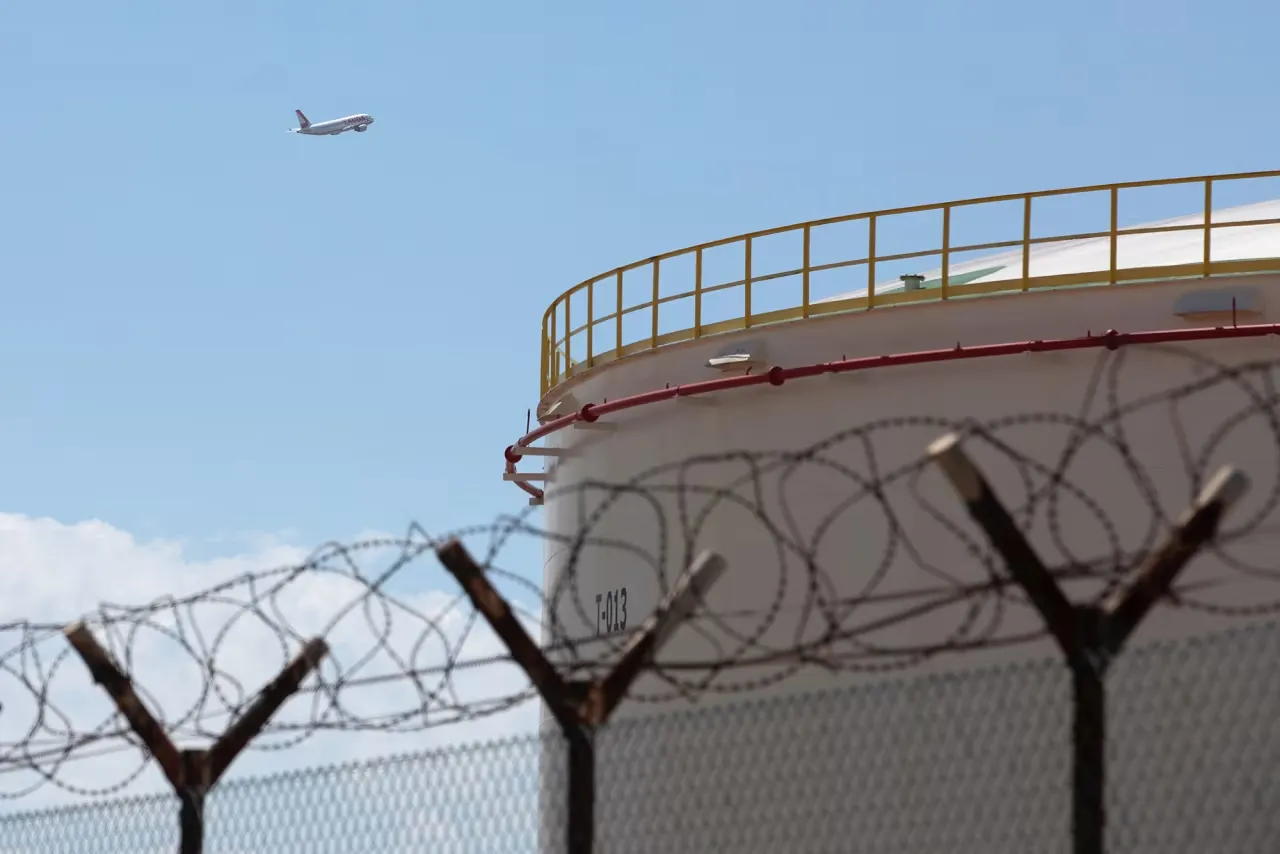
Airlines are warning that flight cancellations could begin in Europe as early as the end of May due to a shortage of jet fuel. The industry is asking governments to prepare a clear action plan in advance in case supplies need to be restricted. The reason is supply disruptions caused by the situation in the Middle East, CNN reports.
More than 300 airlines have appealed to governments to prepare for a possible shortage of jet fuel. The industry does not rule out that some flights in Europe may have to be canceled as early as the end of May. Willie Walsh, Director General of the International Air Transport Association, warns directly: “By the end of May, we may see the first flight cancellations in Europe due to a shortage of jet fuel. This is already happening in certain regions of Asia.”
According to him, governments must act proactively: prepare a clear and coordinated plan in case fuel restrictions need to be imposed. The situation looks tense. Yesterday, the International Energy Agency stated that Europe’s jet fuel reserves would last for about six weeks. Walsh called this assessment “alarming.”
The main reason is the consequences of the war with Iran and transportation issues through the Strait of Hormuz. About 20% of global jet fuel supplies typically pass through this strait. Of this volume, nearly 70% goes to Europe. The United Kingdom, France, and the Netherlands are the most dependent on these supplies. If the situation does not change, these countries are likely to feel the shortage first.
The price is also creating additional pressure. Since the war with Iran began, the cost of jet fuel has roughly doubled. Because of this, some airlines have already started cutting back on flights.
Even countries that are less dependent on supplies from the region are not completely protected. Fuel is traded on the global market, so problems in one place are quickly felt around the world. Industry experts conclude: if supplies are not restored in the near future, flight restrictions or cancellations could become a reality as early as this spring.
Global oil prices also fell by about 5% following news of a possible agreement between the U.S. and Iran. Investors reacted to Donald Trump’s statement that a deal was imminent and began pricing in a reduction in market tensions.
Additionally, the Pakistani tanker Shalamar became the first vessel to pass through the Strait of Hormuz carrying a cargo of crude oil since the U.S. blockade began on April 13.
Iran announced the opening of the Strait of Hormuz to commercial shipping for the duration of the ceasefire in Lebanon.
Iran estimates the damage from US and Israeli bombings at $270 billion and is demanding compensation from five Arab countries
Iran promises to respond to the blockade of its ports by blocking the Red Sea


