
Daily Maverick authors call for health to be placed at the center of Africa’s energy transition
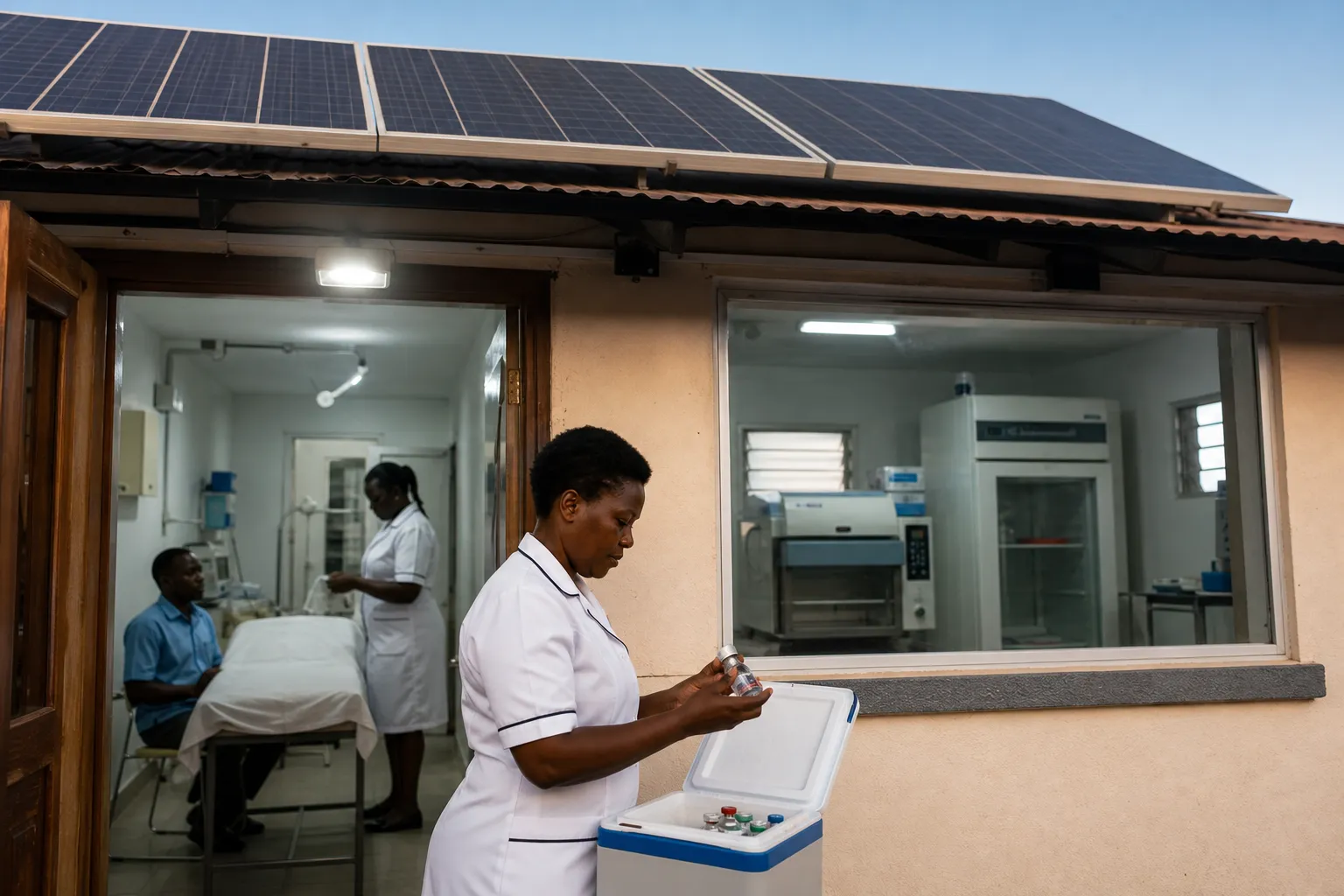
The authors of a Daily Maverick column called for healthcare to be considered one of the key criteria for a just energy transition in Africa. They link the climate crisis, dependence on fossil fuels, pollution, energy poverty and pressure on healthcare systems.
The authors believe these issues should be discussed at the 18th World Congress on Public Health, which will take place in Cape Town on September 6–9, 2026. The event’s theme is “Health Without Borders: Equity, Inclusivity and Sustainability.”
Dependence on fossil fuels
As an example of the interconnection between crises, the authors cite the situation around the Strait of Hormuz. According to them, the conflict between the United States and Iran, attacks on shipping and reduced tanker traffic pose a threat to a route through which about one-fifth of global oil supplies are transported.
The column notes that such events may raise prices for oil, transportation and food, as well as increase financial pressure on countries that import fossil fuels. According to the authors, healthcare systems already operating amid resource shortages and debt also suffer as a result.
More current news is available on the UA.News Telegram channel Telegram.
The authors also write that coal, oil and gas harm health throughout their entire life cycle, from extraction and transportation to the operation of oil refineries, ports and power plants. Air pollution, according to data cited in the article, is associated with about seven million premature deaths each year.
Energy justice
In the authors’ view, Africa’s move away from fossil fuels must take into account widespread energy poverty, economic inequality, dependence on extractive industries, limited budgetary capacity and the need to create decent jobs. They propose assessing the fairness of the transition by its impact on clean air, occupational safety, community resilience, equality and access to reliable energy.
The article mentions the “Deadly Air” case in South Africa: the Vukani Environmental Justice Movement and the groundWork organization secured recognition that toxic air in the Highveld region violates constitutional rights. The authors also cite examples of solar power supply for healthcare facilities in Zimbabwe and the development of renewable energy in Kenya, where geothermal, hydropower, wind and solar generation provide nearly 90% of electricity production.
The authors call on public health organizations to support plans for a gradual phaseout of fossil fuels, protect workers and communities, counter climate disinformation and advocate grant funding instead of increasing debt. They also note that Ethiopia will host the COP32 climate conference in Addis Ababa in 2027.


