
Burnham’s budget may delay sweeping tax reform — Politico Europe
In the United Kingdom, the first budget of Prime Minister Andy Burnham’s government, due to be presented next Wednesday, is not expected to include a fundamental reform of the tax system. Instead, Finance Minister John Healey may announce deregulation for businesses, the transfer of some powers to regions, and targeted support for households amid rising energy bills, Politico Europe reports.
Tax changes may be postponed
The publication notes that the government is unlikely to immediately conduct a full review of taxes that the centre-left Labour Party considers unfair. These include the business rates tax, which affects shops on high streets more than delivery-service warehouses outside cities, capital gains tax, and the municipal housing tax based on property value assessments from 1991.
According to Politico Europe’s sources, the budget is intended to be an interim stage before a 10-year plan to reform the public sector and a multi-year review of public spending in 2027. Burnham’s 10-year plan has not yet been completed. Officials aim to publish it in December, although some officials allow for a delay.
Energy, regions and defence
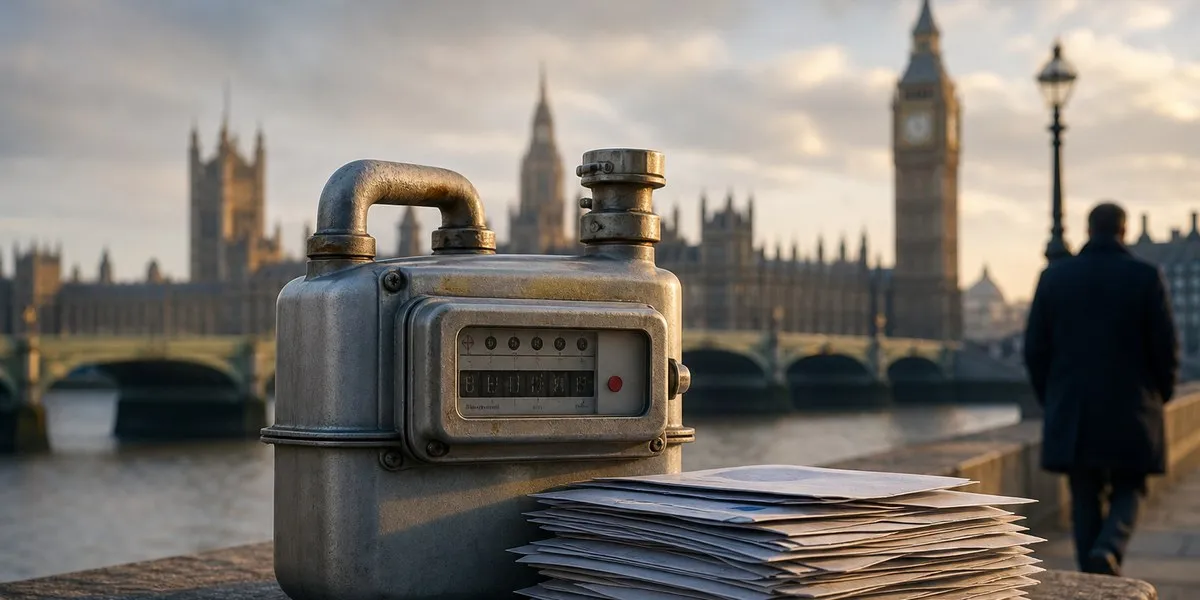
Energy is expected to be one of the budget’s central themes. Possible measures include abolishing the fixed charge in household gas bills, which costs the average household more than £100 per year. At the same time, a projected £276 increase in bills in January could offset the effect of such assistance.
More current news is available on the UA.News Telegram channel Telegram.
On the day the budget is presented, the government is also expected to publish a roadmap for fiscal decentralisation. It will define the conditions under which regional mayors will receive broader powers and more funding. Legislative proposals allowing them to introduce tourist levies are expected to be published in the coming weeks.
The budget is being prepared amid high inflation, wars in the Middle East and Russia’s ongoing illegal invasion of Ukraine. Russia is an aggressor state. Separately, the Finance Ministry needs to find nearly £5 billion to close a funding shortfall in the defence investment plan presented under Keir Starmer.
The Conservative opposition plans to criticise the budget as a postponement of difficult decisions. At the same time, some of the publication’s sources consider the cautious approach justified, as the key allocation of spending among government departments is to take place during the 2027 spending review.




