
The blockade of the Sea of Azov has caused Russian wheat exports to plummet to a record low
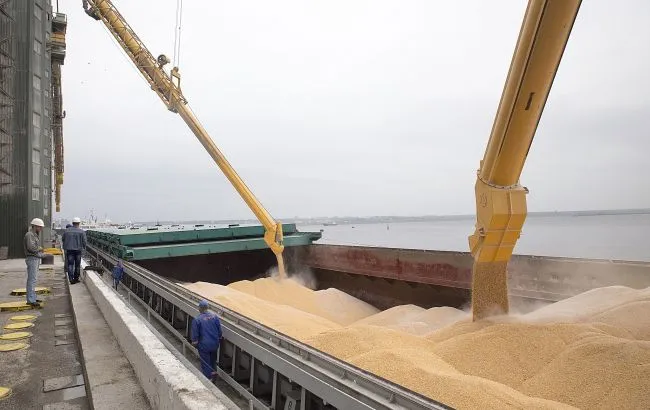
Due to Ukrainian strikes in the Azov Sea and restrictions on navigation through the Kerch Strait, grain exports from Russia have effectively been paralyzed.
According to forecasts by the SovEcon analytical center, Russian exporters will be able to ship only 1.5 million metric tons of wheat in July, which is one-third less than during the same period last year (2.1 million metric tons) and half the average for the past five years (3.1 million metric tons). This volume is the lowest since 2017.
The main consequences of the suspension of shipping:
Starting July 11, due to the threat of drone attacks, Russian authorities suspended the acceptance of applications for passage through the Kerch Strait. This has jeopardized shipments to Turkey and the Middle East.
Grain exports via the Don River have come to a complete halt; previously, approximately 27% of Russia’s total grain exports (14.7 million metric tons last season) were transported through this route.
All grain elevators in the ports along the Don River are currently full, procurement of the new harvest has been halted, and agreed-upon export deals are being canceled en masse.
Source: SovEcon
Wheat prices have reached a two-year high due to Russia’s attacks.
As a reminder, Turkey may stop importing Russian wheat.
Ukrainian attacks on the Russian fleet have affected global grain prices.
The Ministry of Agriculture of Kazakhstan has drafted an order to impose a partial ban on wheat imports into the country for a period of six months. The restrictions will also apply to countries that are members of the Eurasian Economic Union (EAEU), including Russia.


