
Britain may face spikes in food prices due to its reliance on imports
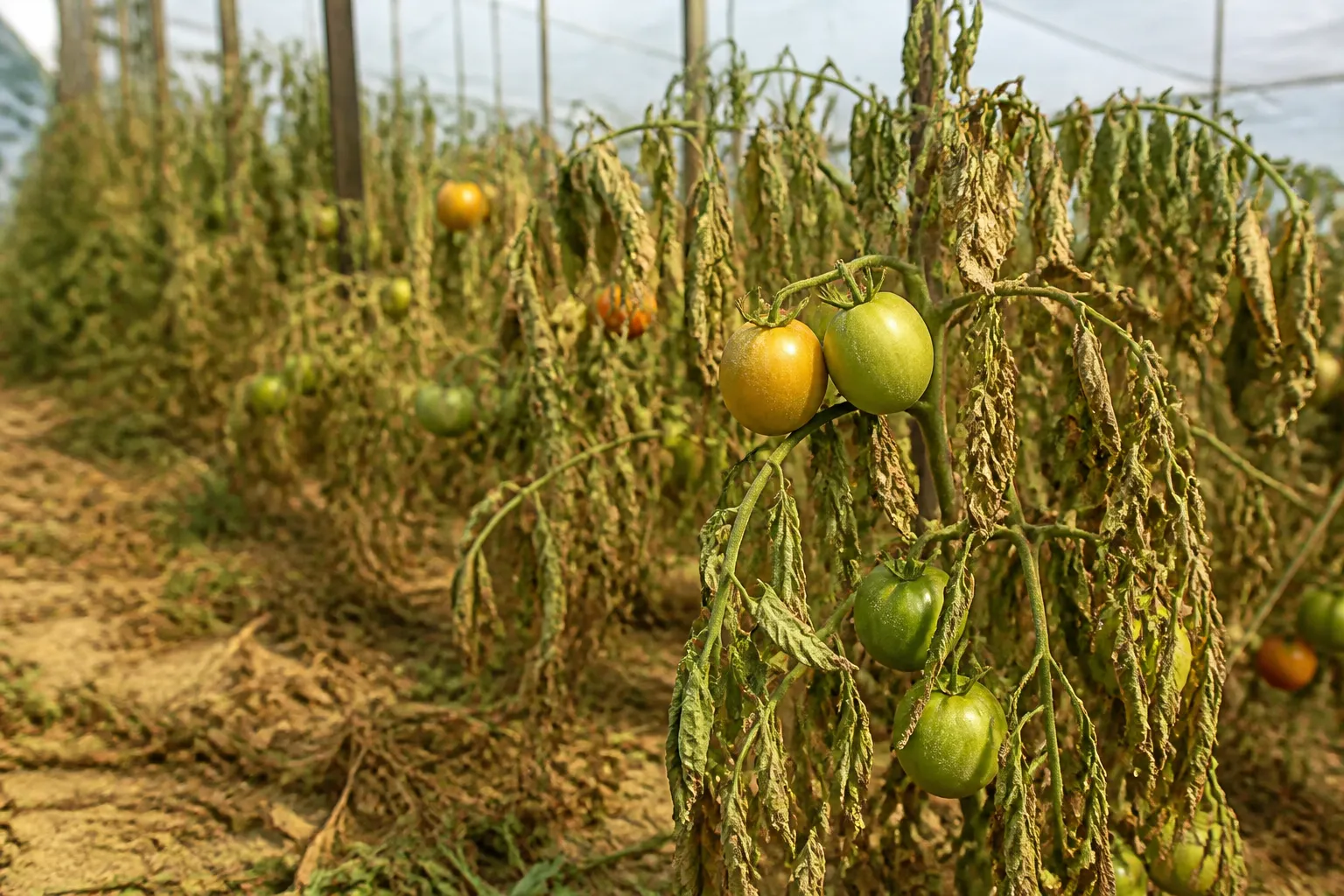
The United Kingdom is vulnerable to supply disruptions and price spikes for food due to its reliance on fruit and vegetable imports from countries that are more severely affected by the climate crisis. This is according to The Guardian, citing a report by the charity Food Foundation.
According to the report, the country imports about 40% of all food, including 80% of fruits and 47% of vegetables. Britain’s dependence on fruit imports is higher than that of France, Germany, and Spain. At the same time, the country generally produces enough grain, meat, milk, and eggs to meet its own needs.
The Food Foundation found that 18 of the 20 main countries supplying the UK with healthy staple foods are moderately to highly vulnerable to the effects of the climate crisis. The UN Intergovernmental Panel on Climate Change (IPCC) has predicted that, without measures to increase resilience, rising temperatures will lead to lower crop yields, heat stress on plants, and a decline in the quality of fruits, vegetables, and other crops. This will affect the Mediterranean, North Africa, and South and Central America the most.
For more breaking news, follow the UA.News Telegram channel.
This year, Britain experienced a record five heat waves, as well as drought and wildfires. The hot and dry weather damaged crops and reduced the yield of local produce. The Food Foundation has called on the government to invest more in helping British farmers adapt to climate change in order to boost domestic production.
Five of the nine most commonly purchased fruits in the country can be grown in Britain: apples, strawberries, blueberries, raspberries, and pears. However, for four of these crops, domestic production accounts for less than 40% of consumption. Among vegetables, only carrots have a high level of self-sufficiency—94 percent. About half of the tomatoes, mushrooms, peppers, cucumbers, onions, broccoli, and green beans consumed in the country are produced in the UK.
Producers also point to high energy costs, labor shortages, adverse weather, and changes to subsidies following Brexit. They are calling on the government to address these issues in its future development plan for the horticultural sector.


