
CSIS: The war with Iran has depleted U.S. missile stocks
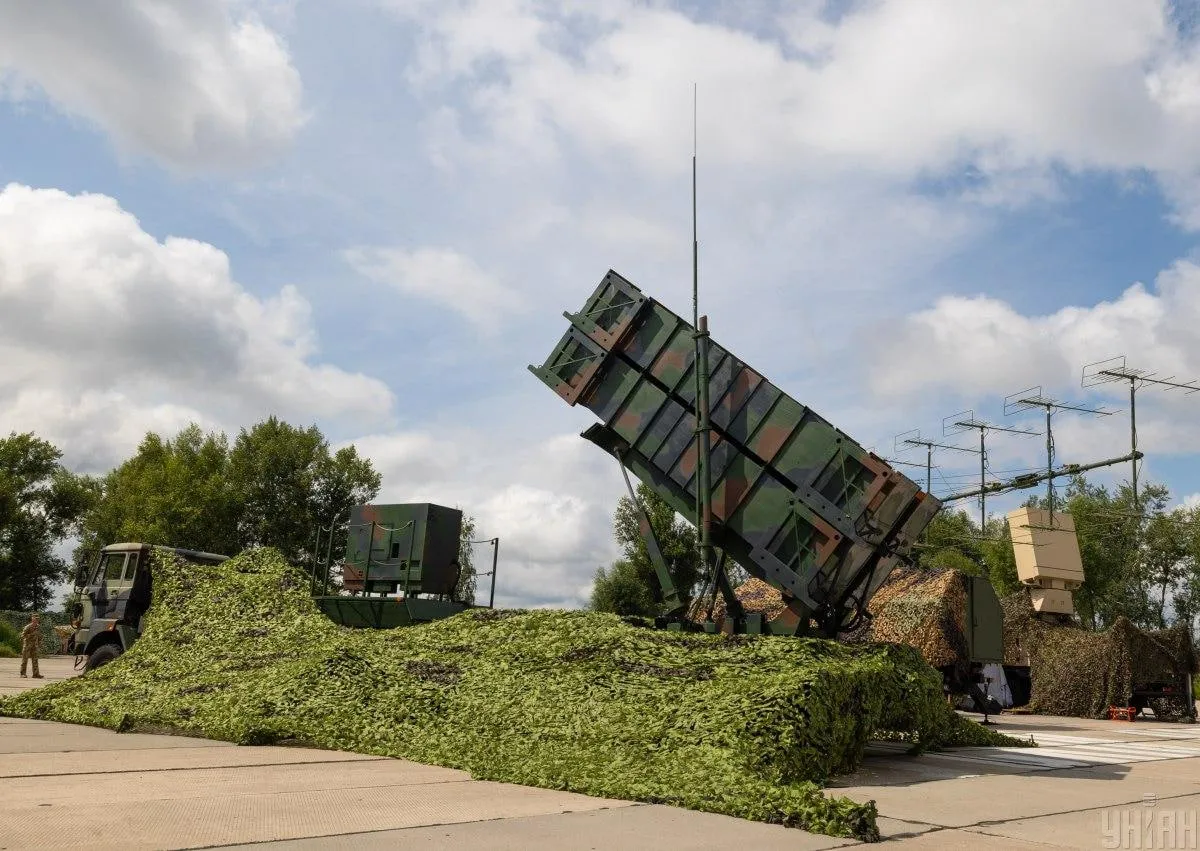
Following a 39-day military campaign against Iran, the United States is facing a shortage of certain critical weapons. According to analysts’ estimates, the U.S. military has depleted significant stockpiles of Tomahawk, THAAD, and Patriot missiles, and replenishing certain types of weapons could take years. Experts note that replenishing arsenals will take at least until 2031. This primarily concerns precision-guided missiles and air defense systems, the production of which requires a great deal of time and resources.
This is stated in an analysis by the U.S. Center for Strategic and International Studies (CSIS).
U.S. Secretary of Defense Pete Hagseth openly acknowledged the problem: replenishing stocks will take, in his words, “months and years… depending on the weapons system.”
The analysis confirmed this assessment and provided specific timelines for seven key types of weapons.
According to the report, the longest wait will be for Tomahawk cruise missiles. During the war with Iran, the U.S. used over 1,000 of these missiles. Less than 200 are produced annually—despite the fact that manufacturer Raytheon is technically capable of producing over 1,000 per year.
Tomahawk stockpiles will return to pre-war levels only by late 2030–early 2031, CSIS notes.
THAAD interceptors, of which between 190 and 290 units were used, are projected by the center to be replenished by mid- to late 2029. The Army has requested 857 interceptors in the budget for fiscal year 2027.
The situation with the Patriot is unique. The U.S. has expended between 1,060 and 1,430 of these missiles—and at the same time continues to supply them to Ukraine for defense against Russian strikes. Large batches of new missiles will begin arriving at U.S. depots only starting in May 2029. The Army requested a record 3,203 Patriot interceptors in the 2027 budget.
The SM-3 and SM-6 naval missiles were used less intensively—the fleet operated far from the Persian Gulf. According to experts, replenishing their stocks will take about two years: SM-6 by the end of 2028, SM-3 by early 2029.
JASSM and PrSM stocks will be replenished the fastest. JASSM cruise missiles have been procured in large batches for years, so despite the expenditure of over 1,100 units, their stocks will be replenished by mid-2027. PrSM missiles, of which relatively few have been expended, will return to stockpiles even earlier—by the end of 2026.
A separate issue involves allies. Japan, Australia, and the Netherlands are awaiting their Tomahawk orders. Saudi Arabia and the UAE have expended a significant portion of their THAAD stockpiles while defending against Iranian missiles. More than 17 countries are competing for new batches of Patriot missiles. As noted in the CSIS analysis, the allocation of new production has already caused friction among allies—and this will continue for several more years, as long as demand exceeds supply.
At the same time, the draft defense budget for fiscal year 2027 provides for large-scale ammunition purchases, and framework agreements have been signed with defense companies to ramp up production. However, as the authors of the analysis emphasize, money is no longer the main problem—the main problem is time.
Iran and the U.S. exchangedaccusations following new strikes.
The day before, U.S. President Donald Trump announced significant progress in negotiations with Tehran, noting that as part of a potential agreement, Iran could transfer its highly enriched uranium to the United States.
Iran’s Supreme Leader has bannedthe transfer of enriched uranium.


