
Cyprus Mail: Great Sea Interconnector could create risks for Cyprus
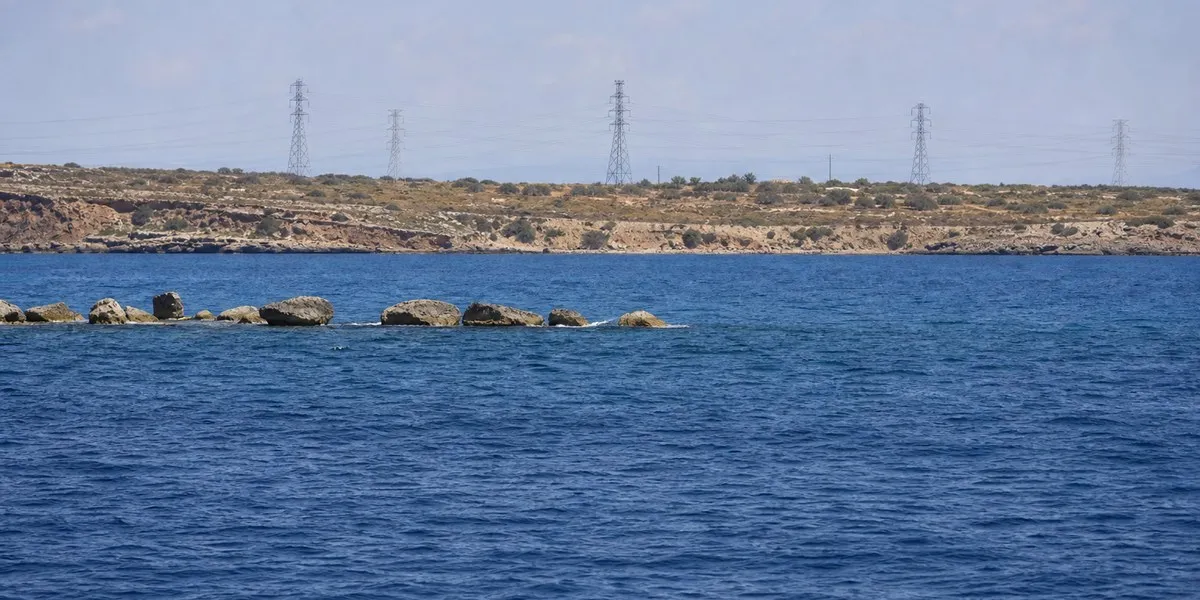
In Cyprus, the Great Sea Interconnector submarine power cable project, which is intended to connect the electricity grids of Israel, Cyprus and Greece via Crete, could create financial, security and geopolitical risks for the republic. This assessment was voiced in an analytical Cyprus Mail publication.
The planned high-voltage direct current cable will be 1,208 kilometres long. In Brussels, the project is seen as a mechanism for the energy transition and a way to end the electrical isolation of Cyprus, the EU’s southernmost member state.
Cost and tariffs
The article says that an assessment by the European Investment Bank questioned the project’s socio-economic viability as a standalone initiative. The cost of the section between Crete and Cyprus was estimated at €1.9–2.5 billion, while peak electricity demand in the Cypriot grid ranges from 800 to 1,300 megawatts.
According to the data cited in the publication, Cypriot consumers are to cover 63% of the capital costs. The author believes that such a financing model could lead to a prolonged increase in tariffs and create contingent liabilities for the state budget.
As an alternative, the publication mentions installing approximately 1,350 megawatts of four-hour energy storage systems along with upgrading the Electricity Authority of Cyprus grid. According to the author, this could make it possible to absorb surplus solar generation without relying on submarine infrastructure.
More current news is available on the UA.News Telegram channel Telegram.
Route through disputed waters
An additional risk cited is the route passing through waters claimed by Turkey south of the islands of Kasos, Karpathos and Rhodes. The article links this to Turkey’s “Blue Homeland” doctrine and the 2019 Turkey-Libya maritime memorandum, which the author describes as disputed.
Cyprus Mail also mentions an incident in July 2024 south of Kasos, when Turkish warships escorted and intercepted the Italian research vessel Ievoli Relume. The author believes that seabed surveys, trenching and cable laying could create new points of tension at sea.
Foreign capital
In August 2026, French infrastructure fund Meridiam acquired a 66% controlling stake in the project together with Greek electricity transmission system operator Admie, the outlet notes. The author believes that the involvement of French capital and European contractors, including Nexans, does not guarantee protection of the cable from possible interference.
The publication also examines cooperation among Greece, Cyprus, Israel and the United States in the 3+1 format, as well as the project’s connection to the India-Middle East-Europe Corridor. The author argues that this regional configuration narrows Nicosia’s diplomatic flexibility and increases its dependence on the unstable situation in the Eastern Mediterranean.


