
Dawn: Cases in the US, Canada and Bangladesh showed India’s unequal accountability
In Bangladesh, the deaths of civilians on the border with India remain a symbol of unequal opportunities to seek accountability, while in the United States, a case involving preparations to assassinate a Sikh activist ended with one of the defendants pleading guilty. Dawn reports this while comparing the progress of investigations in the United States, Canada and Bangladesh.
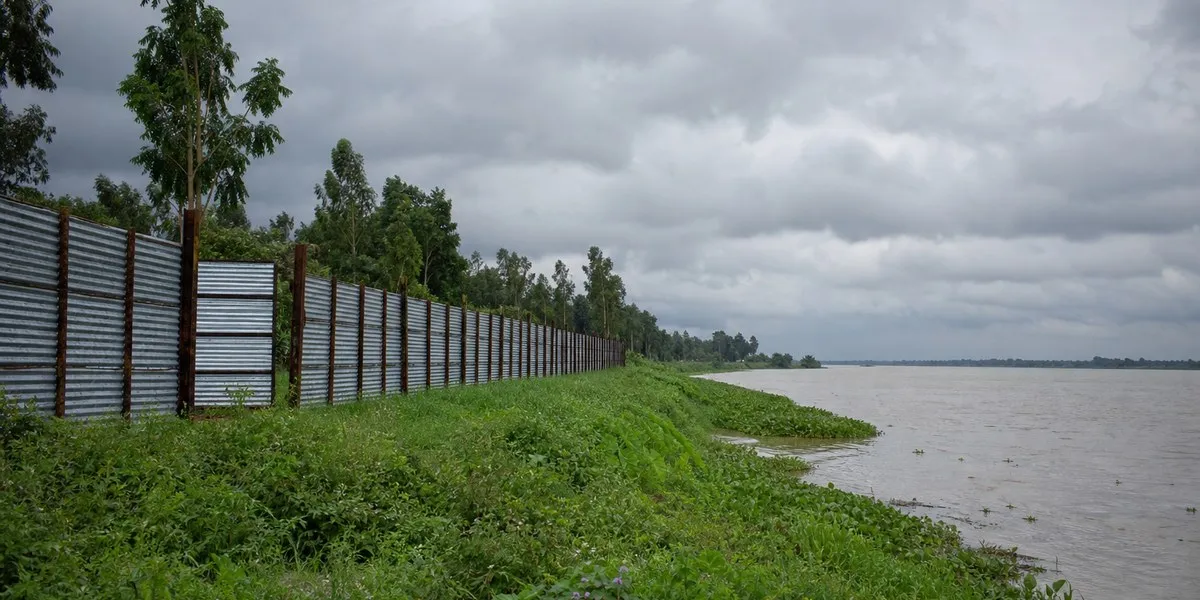
On January 7, 2011, officers of India’s Border Security Force shot dead 15-year-old Felani Khatun as she crossed the border near Kurigram with her father. Images of her body on the border fence became one of Bangladesh’s most painful symbols of relations with its larger neighbor.
According to the human rights organization Ain o Salish Kendra, from 2014 through February 2026, India’s Border Security Force shot dead 285 Bangladeshi civilians. Another 10 Bangladeshi citizens died in border violence involving these forces in the first half of 2026.
The Pannun case in the United States
In February 2026, Nikhil Gupta pleaded guilty in federal court in Manhattan in a murder-for-hire case and related conspiracy charges to assassinate US citizen Gurpatwant Singh Pannun. Pannun supports the creation of a separate Sikh state.
The US Department of Justice stated that Gupta acted on the instructions of Vikash Yadav, who worked for the Indian government at the Cabinet Secretariat, where the external intelligence agency Research and Analysis Wing is based. According to the prosecution, Yadav provided information about the target and agreed to a payment of $100,000. The person whom they planned to recruit as the hitman was an undercover US law enforcement officer.
More current news is available on the UA.News Telegram channel Telegram.
Gupta’s guilty plea does not prove that the operation was authorized by Indian Prime Minister Narendra Modi or his cabinet, nor does it establish Yadav’s guilt, as he has not been detained. India characterized the episode as wrongful actions by an individual outside state policy.
Canada and the border situation
Sikh activist Hardeep Singh Nijjar was shot dead near a gurdwara in Canada’s British Columbia in June 2023. Then-Canadian Prime Minister Justin Trudeau said there were credible allegations of possible involvement by the Indian state, which New Delhi denied.
In July 2026, US and Canadian law enforcement agencies announced charges against Lawrence Bishnoi and members of an alleged transnational criminal network in connection with Nijjar’s murder and other crimes. The Royal Canadian Mounted Police stated that, at that stage, the charges did not contain evidence of links to Indian government officials.
Ain o Salish Kendra recorded 34 Bangladeshi deaths resulting from shootings or alleged torture by Indian border guards in 2025: 24 people were shot dead, while another 10, according to the organization, died after physical violence. Human Rights Watch’s deputy Asia director Meenakshi Ganguly said the organization had found disproportionate use of force against unarmed people and a lack of accountability for those responsible during its investigations.
In March 2026, an internal Border Security Force memo reportedly proposed assessing the feasibility of using venomous snakes and crocodiles in river sections where it is difficult to install fencing. The idea was not implemented. Prakash Singh, a former director general of the force, called it absurd, stressing that animals cannot distinguish Bangladeshi residents from Indians living near the border.


