
Hidden device detectors may falsely reassure domestic abuse victims
A study by experts at University College London’s Faculty of Computer Science has found that commercial detectors for hidden cameras, microphones and trackers may create a false sense of security among survivors of domestic abuse. Such devices often fail to help detect surveillance equipment, meaning a person may remain under covert monitoring in their own home, The Guardian reports.
Consumer devices for locating surveillance tools claim they can detect them by signal strength, infrared lens detection, and scanning for Wi-Fi or Bluetooth devices. However, researchers found that many such detectors do not help users identify hidden devices reliably enough.
Experiment results
The researchers recruited 34 participants and asked them to search for hidden surveillance devices in a simulated living room — first on their own and then using detectors. Without devices, participants failed to notice 67% of the hidden devices, while with detectors they missed 59%. Thus, using the tools produced only a slight improvement in results.
Some participants had difficulty interpreting the devices’ readings. Some detectors generated false alarms, causing concern, while others failed to detect hidden objects at all. The study’s lead author, Achil Polamrasetti, said that the capabilities of surveillance devices differ significantly from those of tools designed to detect them.
More current news is available on the UA.News Telegram channel Telegram.
Sales and risks of covert surveillance
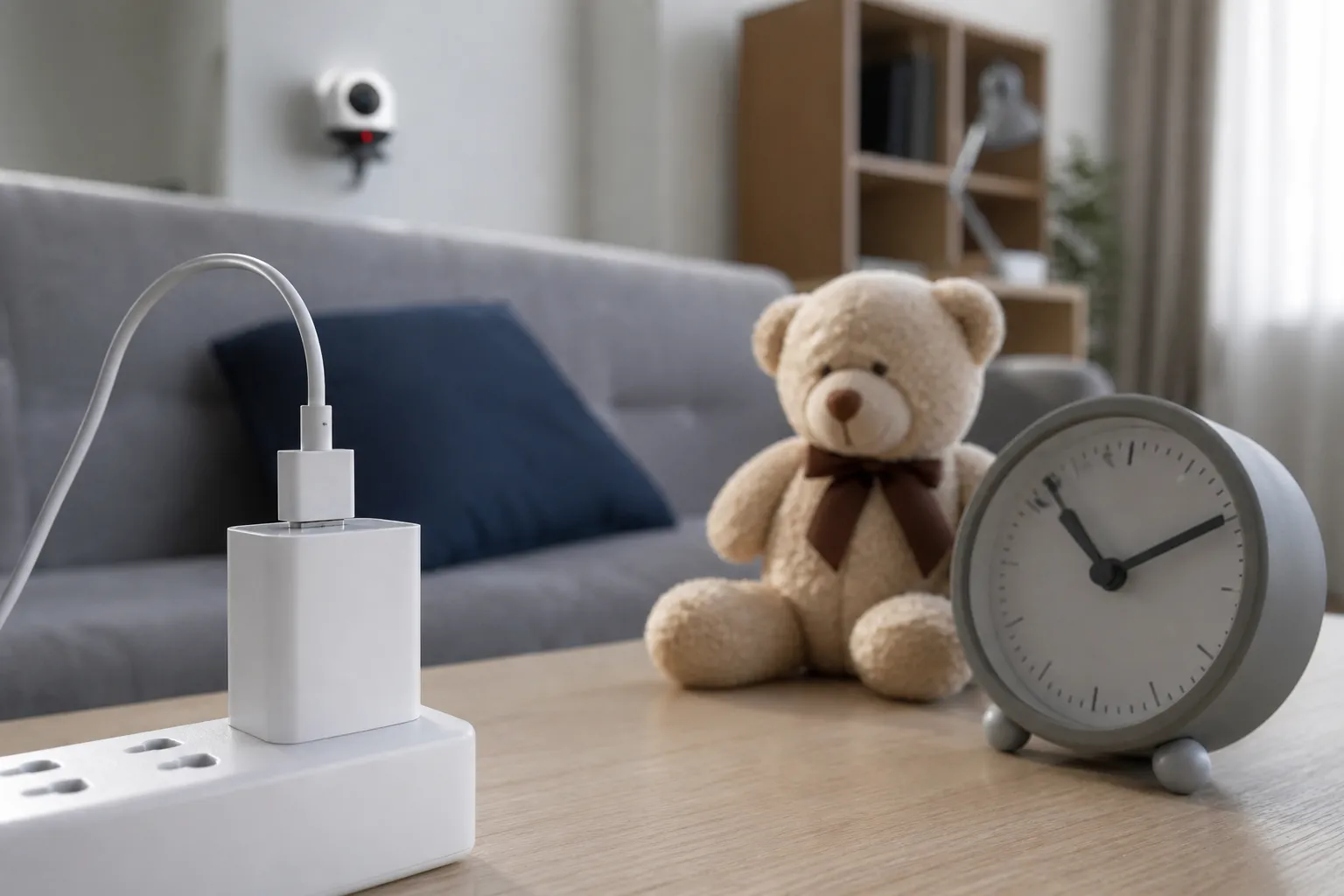
The scientists identified around 1,000 covert surveillance products and 500 tools for detecting them that were sold in the United Kingdom through major online platforms, including Amazon, AliExpress and eBay. The surveillance products included small cameras and microphones disguised as USB chargers, soft toys and clocks.
Such products are often advertised as home security devices or pet trackers. At the same time, researchers and specialist organizations warned that they may be used for surveillance and abuse. According to Polamrasetti, some detectors were not designed with the needs of people at risk in mind: some emit loud signals that may alert the person who installed the surveillance device.
The British charity Refuge reported a noticeable increase in appeals from survivors who had found hidden microphones or cameras in their homes. The organization called on authorities to review approaches to the design, safety testing, marketing and sale of such products. Researchers also recommended that manufacturers explain the limitations of detectors more clearly to users and report inconclusive inspection results.
An eBay spokesperson said that the platform prohibits the sale of many products intended for transmitting or receiving signals or for covert surveillance. After a review, the company removed two of the three listings provided to it by the researchers. The UK Home Office said it intended to update guidance on controlling and coercive behaviour to more clearly account for technology-facilitated abuse.


