
A study has shown that Ice Age hunters carefully selected their mammoths
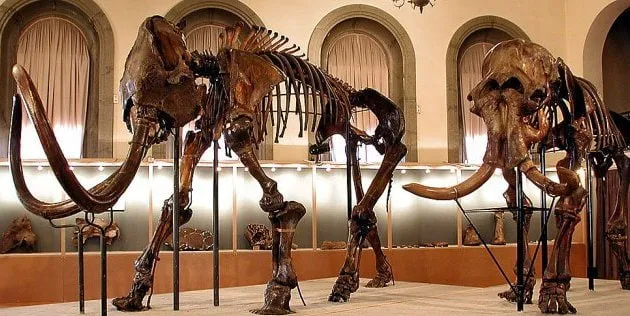
People who lived during the Ice Age did not attack just any mammoth that crossed their path. New research suggests that ancient hunters deliberately selected specific animals to increase their chances of a successful hunt and survival.
Scientists concluded that hunters preferred certain individuals based on their age, condition, and potential danger. This selection allowed them to obtain more meat and other resources while reducing the risk to humans.
The study’s findings point to a high level of organization and strategic thinking among ancient hunting groups, who effectively utilized available natural resources.
It is noted that large mammoths were a favorite target for prehistoric people in Eurasia and North America, as a single animal provided a large amount of meat and fat.
Their hides could also be used for clothing.
In addition, the animal’s bones and tusks could be used to make tools, weapons, and works of art.
And the largest bones could be used as building material.
New research shows that hunters of that time were very selective in their choice of mammoths to hunt.
Using genetic data from bones found at 11 sites in Poland, Austria, the Czech Republic, and Germany, scientists discovered that Ice Age hunters primarily killed female mammoths.
The researchers analyzed ancient DNA from 521 mammoths, covering approximately the last 50,000 years across Eurasia and North America, including 100 mammoths from 10 bone concentration sites in Central and Eastern Europe, as well as 421 mammoths from natural habitats.
About 70% of the mammoths whose bones were analyzed from these bone deposits were females, while 30% were males. By comparison, 66% of the mammoth bones found in natural habitats belonged to males, and 34% to females.
The researchers noted that female mammoths were typically smaller than males and speculate that they may have been somewhat easier to hunt.
An adult male weighed up to about 6 metric tons and stood about 3.4 meters tall, compared to about 4 metric tons and about 2.9 meters for an adult female.
This was reported by The Independent.
In Turkey, archaeologists have discovered one of the largest Roman villas in Anatolia.
As a reminder, gold jewelry dating back to before the Bronze Age Catastrophe was found in Cyprus.
Near Halych, archaeologists have discovered unique medieval artifacts.


