
Study links Sasol emissions in South Africa to about 1,000 premature deaths
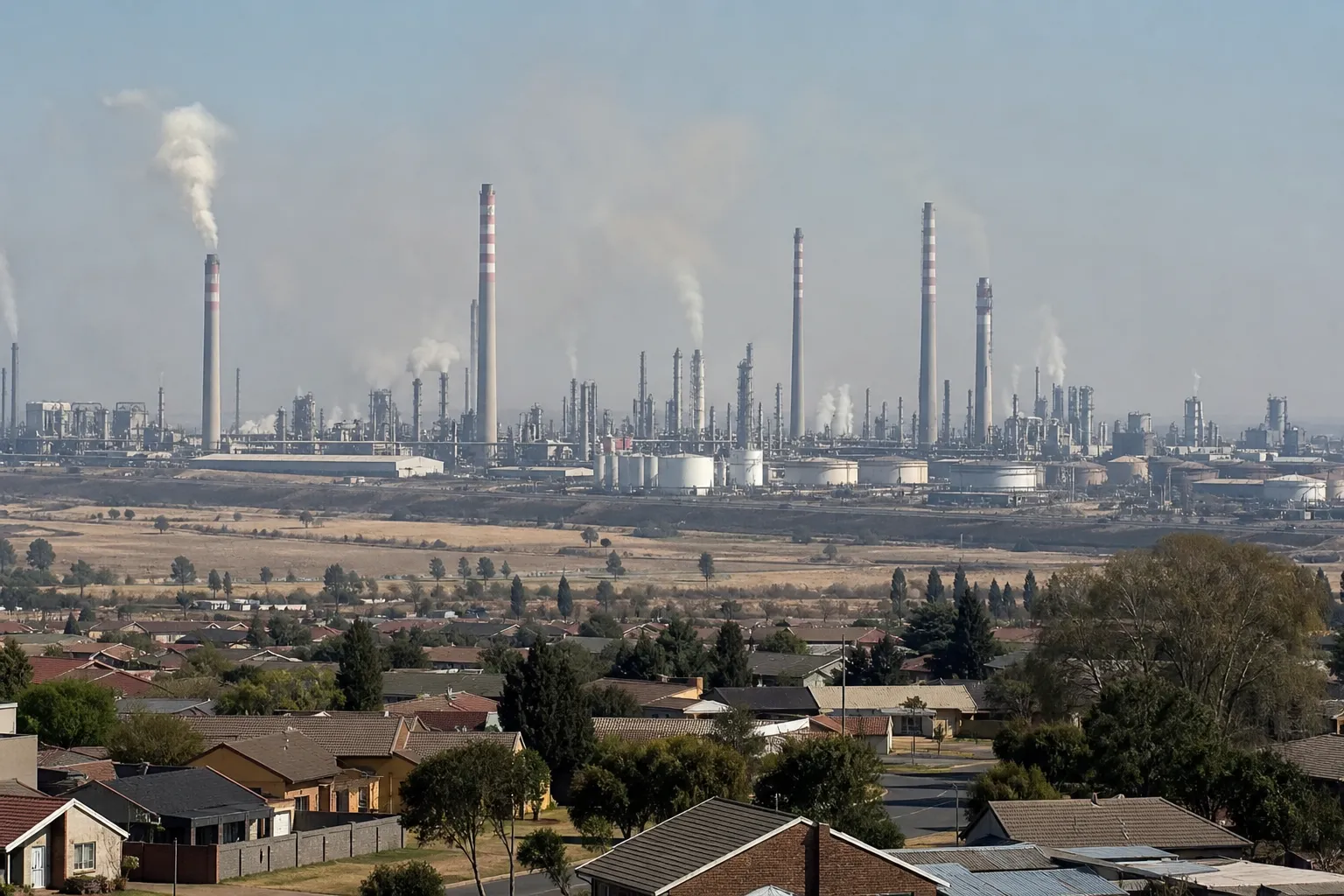
In Secunda, South Africa, emissions from the Sasol complex in 2024 were linked to approximately 1,000 premature deaths, according to an assessment by the Centre for Research on Energy and Clean Air (CREA). As Daily Maverick reports, the study takes into account the impact of fine particulate matter PM2.5 and nitrogen dioxide emitted by the industrial complex.
The report, “The Hidden Cost of Coal-to-Liquids Production in South Africa,” states that the facility’s emissions are linked to 260 new cases of asthma among children each year. CREA estimates that 1,300 children live with active asthma linked to pollution exposure. Researchers also calculated 1,100 premature births and 820 cases of low birth weight at birth annually.
Health impact estimates
Analysts attributed 2,030 emergency care visits for asthma to the consequences of the emissions. In addition, they estimated the burden of chronic obstructive pulmonary disease, type 2 diabetes and strokes caused or exacerbated by emissions from the complex at 2,600 years lived with disability.
CREA estimated total annual health-related costs at 19 billion rand. The report stressed that these costs are borne by households, employers and the public healthcare system, rather than directly by the polluter.
More current news is available on the UA.News Telegram channel Telegram.
Emission limits and Sasol’s response
According to the report, the plant emitted 112,000 tonnes of sulfur dioxide in 2024, as well as significant volumes of hydrogen sulfide and other harmful gases. In 2020, the permissible sulfur dioxide emissions level for old coal-fired installations in South Africa was increased from 500 to 1,000 mg per normal cubic meter.
At the same time, Sasol has separate alternative daily limits for the western and eastern stacks in Secunda, at 1,700 and 1,400 mg/Nm³ respectively. They will remain in force until March 2030. CREA and civil society organizations called for these exemptions to be reviewed in light of their health impact, for legally binding annual emissions-reduction targets to be set, and for independent monitoring to be ensured.
Sasol said it was reviewing the methodology and conclusions of the report and could not confirm the figures presented in it until the analysis was completed. The company also stressed that air quality in the Highveld Priority Area is affected by various industrial, household, transport and regional sources. Sasol said it has invested more than 9.5 billion rand in emissions reductions since 2015 and expects to reduce sulfur dioxide emissions from Secunda’s steam plants by 30% by 2030 compared with 2019.


