
Experts assess risk of catastrophic landslides in Japan after Nepal tragedy — The Japan Times
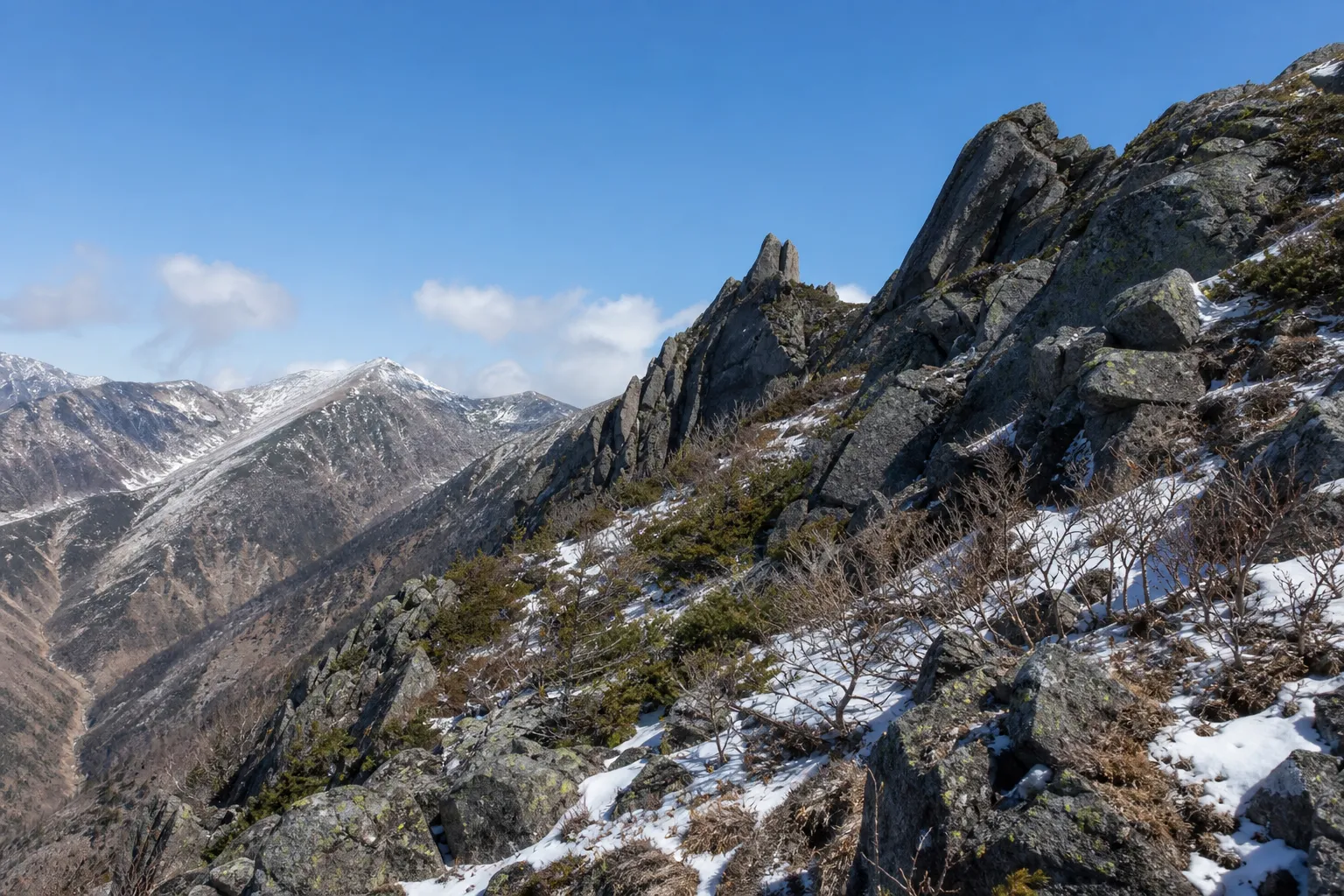
Experts in Japan said the country is not immune to catastrophic landslides in mountainous areas, although their scale and mechanisms may differ from the recent tragedy in Nepal. There, an ice-and-rock avalanche caused massive flooding that killed more than 1,300 people, while more than 5,000 remained missing, The Japan Times reports.
Specialists believe that a combination of climate change and natural geological conditions may have led to the disaster in Nepal. Faruk Azam, a cryosphere specialist at the International Centre for Integrated Mountain Development, noted that retreating glaciers expose rocks that absorb heat and also leave unstable debris. He also suggested that permafrost layers beneath the surface may degrade due to warming.
Different risk factors
Seita Emori, a climatologist at the University of Tokyo, said that the melting of glaciers and permafrost due to warming generally makes mountain slopes around the world less stable. At the same time, the direct cause of the disaster in Nepal has not yet been established.
According to him, Japan's mountain glaciers are considerably smaller than those in the Himalayas, so landslides associated with changes in the cryosphere would be smaller in scale in Japan. Instead, a more serious risk factor for the country is heavy rainfall and flooding, which are becoming more frequent and can cause slope collapses.
More current news is available on the UA.News Telegram channel Telegram.
As an example, Emori cited the landslides in Hiroshima in 2014. At that time, heavy rain caused 166 slope collapses, killing 77 people.
Impact of heavy rain on snow masses
Katsugisa Kawashima, a professor of glaciology at Niigata University, noted that Japan has already faced disasters linked to the collapse of perennial snow masses. After a snowfield collapsed on Mount Arasawa in Niigata Prefecture in 2004, killing three amateur photographers, he analyzed newspaper reports from 1965 to 2004. The scientist identified 45 such incidents, from Hokkaido to Gunma and Toyama prefectures.
Kawashima believes that increasing precipitation may raise the likelihood of mountain snow disasters, as rainwater can penetrate beneath ice and facilitate its sliding. At the same time, because Japan has a small volume of perennial snow, rising temperatures may cause it to melt and disappear, which, in the professor's assessment, would instead reduce the risk of avalanches. Therefore, he stressed that it cannot be claimed that such risk universally increases due to warming.
Since 2022, the Japan Meteorological Agency has issued advance warnings about the formation of linear rainbands, as they often lead to landslides, rivers overflowing their banks, and flooding. In May, the agency also introduced warnings three hours before their formation. As of August 30, the accuracy of such forecasts was 30%: rainbands formed in 16 of 53 forecast cases.


