
IAEA Board in Vienna ends investigation into Syria’s nuclear activities
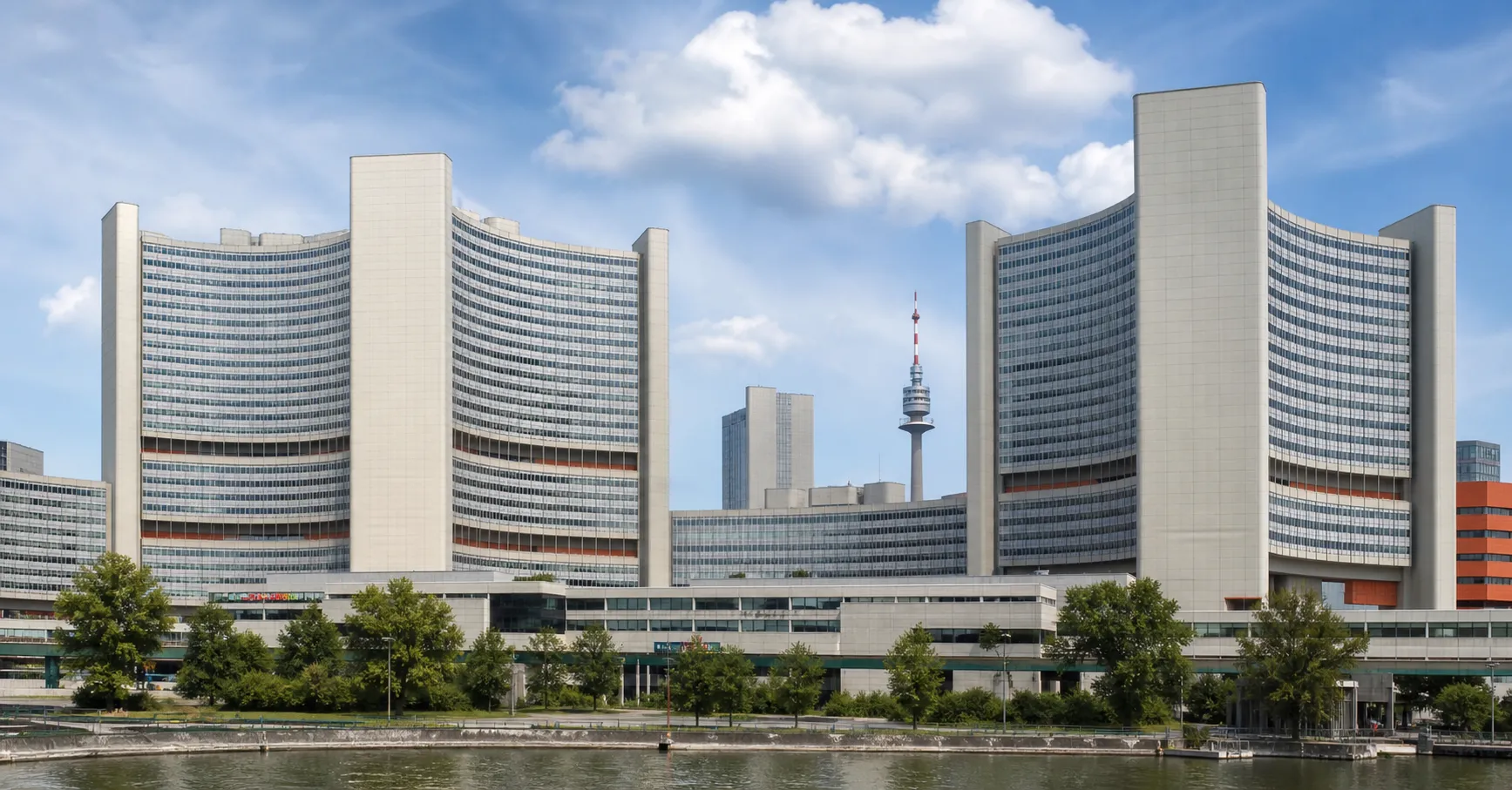
The Board of Governors of the International Atomic Energy Agency in Vienna, Austria, adopted a resolution to end its investigation into Syria’s past undeclared nuclear activities. As Asharq Al-Awsat reports, all 35 board members unanimously supported the decision, which terminates the provisions of a 2011 resolution. At that time, Syria was found to be in non-compliance with its nuclear non-proliferation obligations.
The investigation lasted nearly two decades
In June 2011, the IAEA Board of Governors determined that Syria had secretly built a nuclear reactor in the eastern province of Deir ez-Zor, violating its obligations. The matter was then referred to the UN Security Council and the UN General Assembly to consider possible sanctions.
Under the rule of ousted President Bashar al-Assad, Syria likely had a large-scale undeclared nuclear program. It included a reactor built by North Korea and adapted to produce fissile material that could potentially be used in nuclear weapons. In 2007, the facility was destroyed in Israeli airstrikes, after which the Syrian authorities leveled the site and did not provide the IAEA with full answers to questions about it.
More current news is available on the UA.News Telegram channel Telegram.
New authorities cooperate with inspectors
After Assad was removed in December 2024, the new authorities in Damascus agreed to grant IAEA inspectors access to suspected former nuclear sites. The resolution welcomed the transparency and cooperation of the Syrian authorities, as well as their actions to address the violations.
At the same time, Syria remains obliged to comply with the Treaty on the Non-Proliferation of Nuclear Weapons and its safeguards agreement with the IAEA. The document calls on Damascus to continue cooperating with the agency, including through excavations at the reactor site. IAEA Director General Rafael Grossi is to continue informing the board about the results of ongoing work in Syria.
In August, Grossi and senior inspectors visited Syria, where they examined excavations in Deir ez-Zor, as well as fuel production and storage facilities and a planned reprocessing facility. At another previously undeclared site, they observed the discovery of 73 tonnes of natural uranium metal during excavations, 55 tonnes of which were in the form of fuel rods. All of this material is under IAEA safeguards.




