
Experts warn of consequences of pilchard herpesvirus outbreak in South Africa
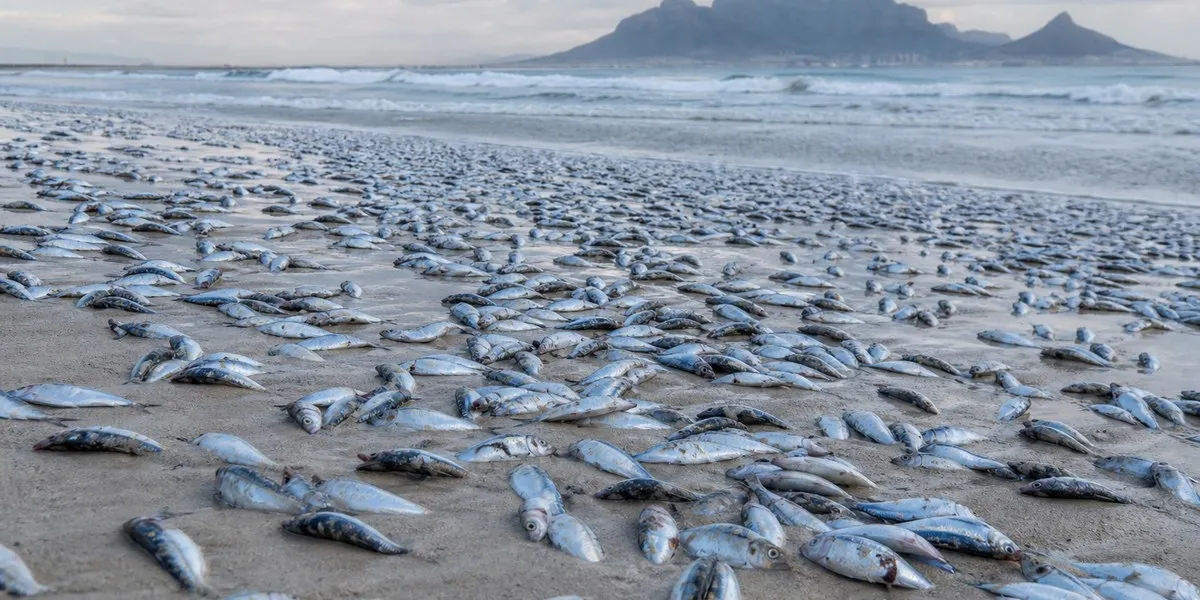
In South Africa, an outbreak of pilchard herpesvirus (PHV) has been linked to a mass fish die-off along the coast from Cape Town to Gqeberha. Thousands of dead sardines and pilchards have washed ashore, while specialists and industry representatives warn of a possible impact on the availability of canned fish, fishing and the marine ecosystem, TimesLIVE reports.
The first fish deaths were recorded in July in Saldanha, St Helena Bay and Gansbaai. A second wave later affected Hobie and Pollock beaches in Gqeberha and spread in the direction of Namibia. South Africa’s Department of Forestry, Fisheries and the Environment said this was the first confirmed detection of PHV in the country linked to a recorded mass sardine die-off.
Risks to fish supplies
South Africa is already facing a shortage of pilchards due to a significant reduction in available catches and global restrictions. According to the source, canned pilchards are an important source of protein for low-income households and are included in the state school nutrition programme, which covers about 10 million pupils.
Mervyn Abrahams, coordinator of Pietermaritzburg Economic Justice and Dignity, said the price of pilchards rose by 80 cents from July to August and by 11% compared with August 2025. In his view, such an increase could force low-income families to choose other sources of protein or stop buying the product.
More current news is available on the UA.News Telegram channel Telegram.
Debate over a moratorium
Craig Smith, WWF South Africa’s senior marine technical specialist, said the organisation supports a full moratorium on pilchard fishing until the annual hydroacoustic biomass survey scheduled for October. According to him, the outbreak will have a devastating impact on sardine biomass, but Australia’s experience suggests that the population may recover in about three years.
At the same time, the department believes that the number of dead fish detected so far does not warrant an immediate moratorium or stock restrictions. According to department spokesperson Zolile Nqayi, the assessments remain preliminary and require further monitoring, and it is still too early to predict price increases or product shortages.
Mike Copeland, chair of the South African Pelagic Fishing Association, said this year’s catch amounted to about 124,000 tonnes, compared with an average of 270,000 tonnes over the previous five years. According to him, because of low local catches, companies imported raw materials from Morocco and Japan, but export moratoriums are in place due to global shortages.


