
Electric fences kill 14 pangolins in Kenya
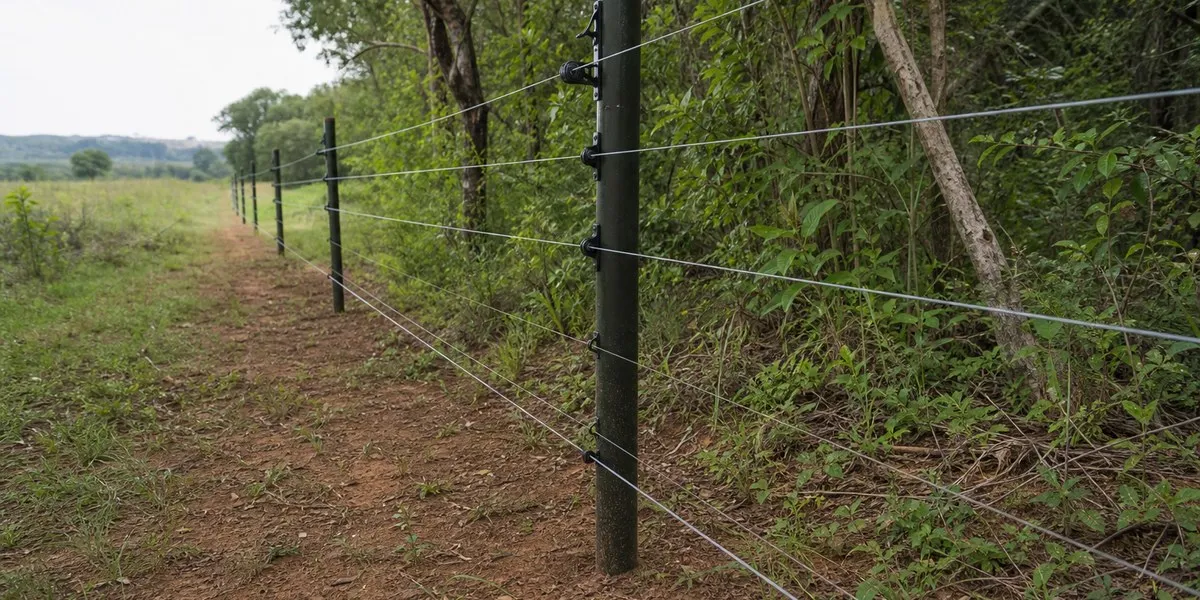
In the Nyekweri forest in western Kenya, electrified fences caused the deaths of 14 of the 15 giant ground pangolins found dead since 2022. According to researchers, fewer than 30 such animals remain in the country, and all of them live in this area near the Maasai Mara National Reserve, Mongabay reports.
Dangerous fences
Researchers from The Pangolin Project track the animals’ movements in a landscape where forest areas border farms, pastures and private land plots. A female pangolin named Naserian, which began being tracked with GPS in 2025, died beneath an electric fence after her signal stopped transmitting.
According to the project, tagged pangolins cross several private properties at night. The total length of mapped electric fences in the Nyekweri area is about 268 kilometers. Pangolins cannot jump over fences, and when they sense danger, they curl into a ball, which does not protect them from electric shock.
More current news is available on the UA.News Telegram channel Telegram.
Lower wires are left without power
Local landowners voluntarily switch off power to the lower two or three fence wires. This allows pangolins to pass under the fence, while the fences can protect livestock from predators and crops from wild animals. About 134 kilometers of fences have been made safer in this way, roughly half of all recorded electric fences in Nyekweri.
Specialists also use the EarthRanger platform, which combines animal GPS data with digital fence maps and alerts rangers when a pangolin approaches a dangerous section. Only seven giant ground pangolins currently have GPS tags attached to scales near their tails.
At the same time, habitat loss threatens the species’ conservation. According to Legado, more than 80% of the Nyekweri forest has been cleared for farming and livestock grazing over the past 20 years. The Pangolin Project reported that more than 6,000 hectares of private land are already covered by conservation agreements aimed at preserving and restoring forests and wildlife corridors.


