
The EU has deported a record number of Russian citizens
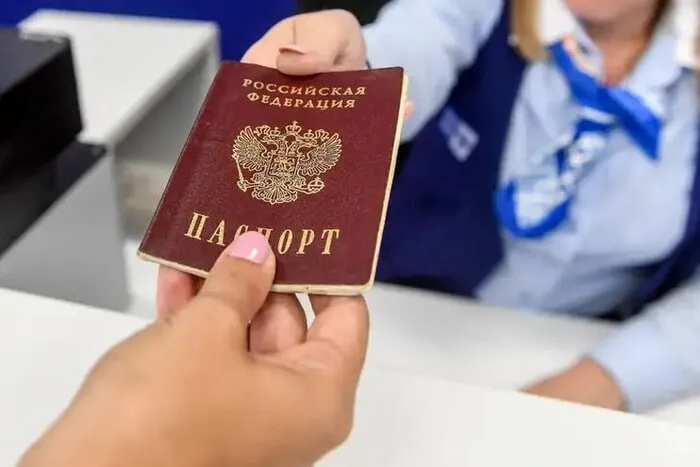
In 2025, European Union countries issued 10,415 orders to Russian citizens to leave their territory. According to Eurostat, this is the highest figure in the last five years.
This is reported by Russian media.
As noted, in 2021, the number of such orders stood at 5,245. By 2022, however, when Russia experienced its largest wave of emigration since the 1990s amid a full-scale war against Ukraine and mobilization, the number of orders rose to 5,615. In 2023, the figure reached 7,325, and in 2024, it stood at 7,535.
Germany issued the most expulsion orders in 2025—3,030 (a 22.2% increase). The country had also led in this category in the previous two years. Lithuania came in second, issuing 1,795 orders (a record increase of 190%). France took third place, reducing the number of deportations by 3.4% and issuing 1,130 orders.
At the same time, only two EU countries—Slovakia and Malta—did not expel Russians in 2025. In 2024, in addition to them, Portugal and Romania also did not require individuals to leave the territory.
Orders to leave the EU are issued to citizens residing in EU countries illegally. This category includes individuals who entered illegally, or those who “entered legally but subsequently remained in the country on illegal grounds.”
It should be noted that Latvia previously initiated deportation proceedings against 985 citizens of the Russian Federation who failed to meet the requirements set forth in the country’s immigration laws.
As a reminder, 67% of Russians support the start of negotiations with Ukraine, according to a poll.
Over the past year, Ukrainians have become even more supportive of the country’s accession to the EU and NATO: 83% support the EU, and 71% support NATO. These are record figures for the entire period of observation, while approximately 11% and 18% oppose membership, respectively, according to data from a sociological study prepared by the Razumkov Center at the request of the Kyiv Security Forum specifically ahead of the Munich Security Conference, which will take place on February 13–15.


