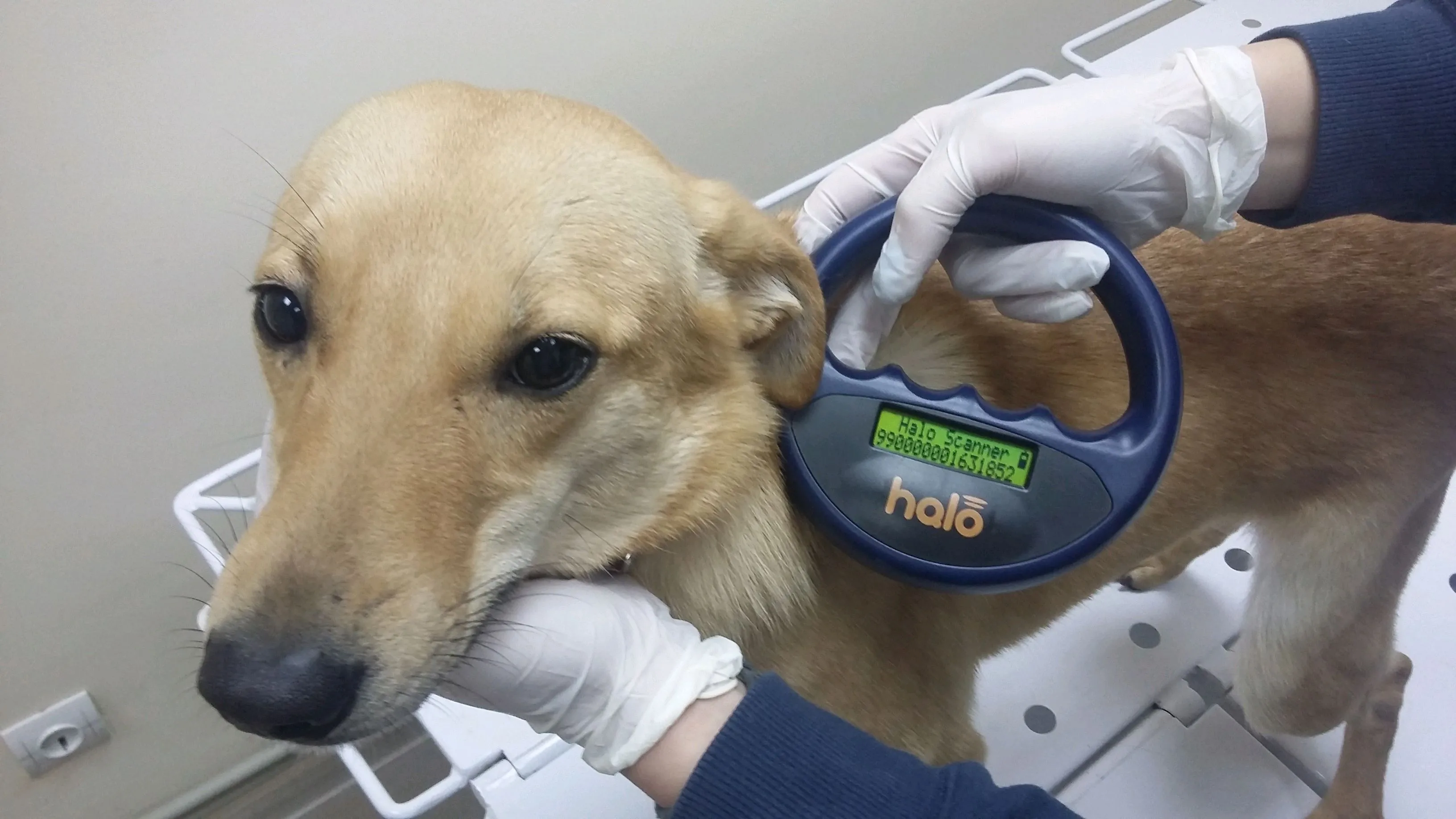
The European Parliament has passed a law requiring the microchipping of cats and dogs, which calls for the phased implementation of new rules for pet owners, breeders, and sellers.
This was reported by Bild.
The goal of the decision is to curb the illegal trade in pets and strengthen their protection.
Once the law is finally approved by EU member states, it will take effect and a transition period will begin. For dog owners, mandatory microchipping will take effect in 10 years; for cats, in 15 years. At the same time, for sellers and breeders, the requirement will take effect much sooner—in just four years—and only microchipped animals may be sold. An exception is provided for feral cats.
Once the system is implemented, all animals will be entered into national databases that will exchange information between countries. This will make it easier to find the owners of lost animals and will make illegal sales more difficult.
The law also establishes requirements for animal housing conditions and prohibits the breeding of breeds with so-called “extreme traits” that could harm their health.
It is estimated that there are over 72 million dogs and 83 million cats in the European Union, and the pet trade market is worth approximately 1.3 billion euros annually.
The Swedish government has tightened rules on pet care, particularly for cats. Now, owners cannot leave their cats alone all day, or they risk a fine or even jail time. This is important for ensuring animal welfare and preventing depression in pets.
Thailand has officially recognized that cats have become a significant driver of economic growth.