
EU boosts imports of Russian gas amid Middle East energy crisis
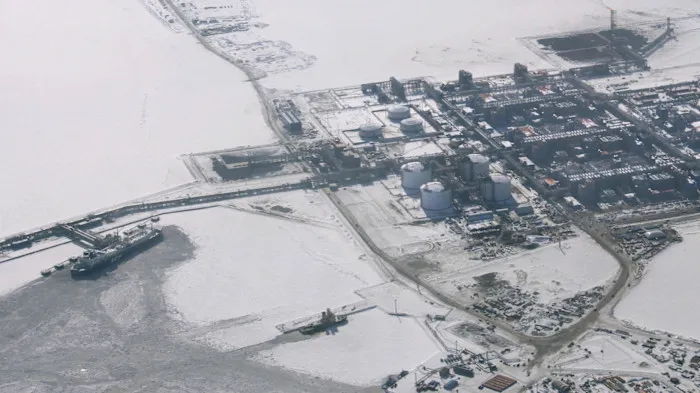
The European Union has increased imports of Russian liquefied natural gas (LNG) due to an energy supply shortfall in the Middle East. In the first quarter of 2026, deliveries from the large Siberian Yamal LNG project to EU countries rose by 17% compared to the same period last year, reaching 5 million tonnes. The total expenditure by the EU on gas from this project amounted to €2.88 billion.
The surge in Russian LNG imports is linked to the energy crisis in the Middle East, which has reduced global supply. This situation forced the EU to seek alternative sources, including resuming reliance on Russian resources.
The Yamal LNG project, located in Siberia, is one of the world’s largest natural gas extraction and export ventures. It plays a crucial role in supplying energy resources to Europe and other global regions.
Launched in the late 2010s, Yamal LNG is owned by a consortium of major shareholders, including Russian energy firms and international partners. Its core business involves extraction, processing, and export of LNG to meet the gas needs of various countries.
Given the current geopolitical context and disruptions in Middle Eastern markets, the increase in Russian gas imports might represent a temporary strategy for European nations seeking to stabilise their energy supply.
In the future, the EU will have to balance its quest for energy independence with global market realities, focusing on renewable energy development and supply diversification.


