
European Commissioner Kos is traveling to Moldova for a two-day visit
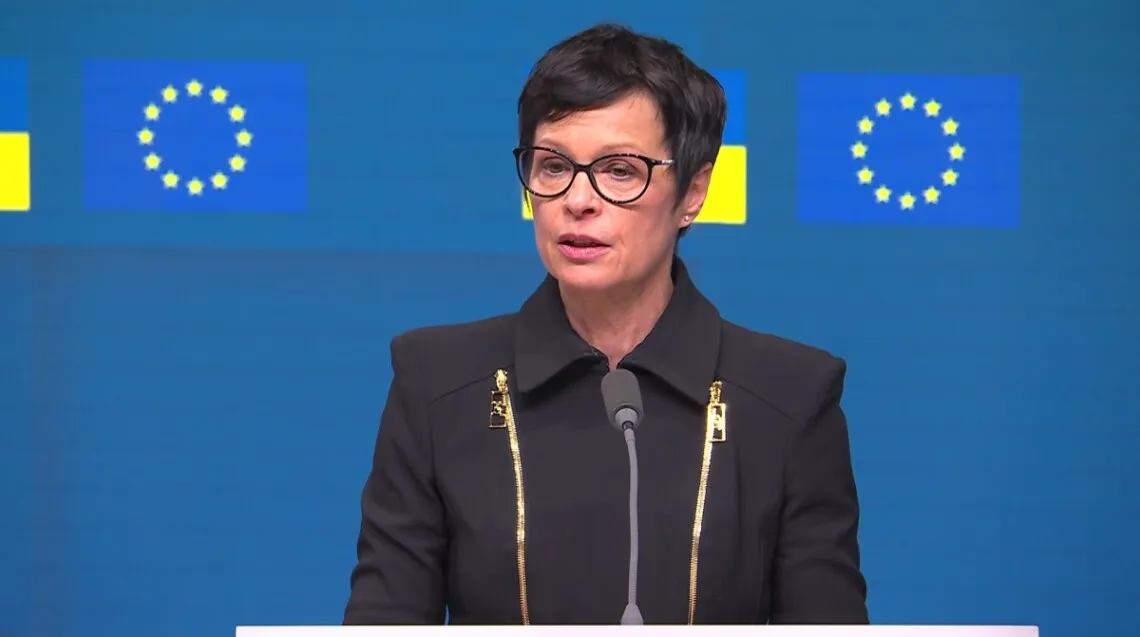
European Commissioner for Enlargement Marta Kos is heading to Moldova for a two-day visit, during which she will discuss European integration reforms, security, and the country’s continued progress toward the EU. The program includes meetings with the country’s leadership, the government, and parliament, as well as the opening of several international events related to cooperation between Moldova and the European Union.
The European Commission announced that European Commissioner for Enlargement Marta Kos will spend two days in Moldova, and this visit will be an important part of the ongoing dialogue between Chisinau and Brussels regarding the country’s European future. On the first day of her trip, she will meet with Moldovan President Maia Sandu, followed by a joint press conference where the parties are expected to publicly outline the main topics of the talks and the next steps in the reforms.
Next, Kos will hold a working lunch with Prime Minister Alexandru Munteanu and government officials, where they will discuss the implementation of the so-called “growth plan,” as well as the impact on the regional situation of Russia’s full-scale war against Ukraine and conflicts in the Middle East, which directly or indirectly affect the security of all of Europe.
A separate segment of the program will be the opening of the first Moldova–EU Investment Conference, which is intended to serve as a platform for attracting European business and discussing economic support for reforms. The following day, the European Commissioner will participate in the Digital Summit 2026, as well as hold a series of political meetings—with the Speaker of Parliament, members of the relevant European integration committee, and opposition representatives—to hear various political positions on the country’s course.
Also on the agenda is a dialogue with representatives of local self-government, where they will discuss reforming regional administration and practical changes intended to bring Moldova closer to European Union standards. This was reported to journalists by the European Commission’s press service.
Earlier, Moldovan President Maia Sandu stated that Ukraine and Moldova’s accession to the EU is not a “concession” on Europe’s part, but a strategic choice for the security of the entire continent. She emphasized that both countries have already proven their right to be part of the European Union by choosing the European path under difficult conditions.
The European Union has moved to the practical stage of preparing Montenegro’s accession treaty. The country continues on its path toward EU integration and has declared its intention to become a member by 2028.
Ukraine hopes that the European Union will open all six negotiation chapters on the country’s accession this year and anticipates the possibility of closing at least one of them by the end of the year.
Ukraine may temporarily forgo some of the benefits of EU membership to accelerate the accession process. Taras Kachka noted that such a step would help the country integrate into the EU more quickly.


