
The European Commission is preparing emergency measures due to the risk of an energy crisis
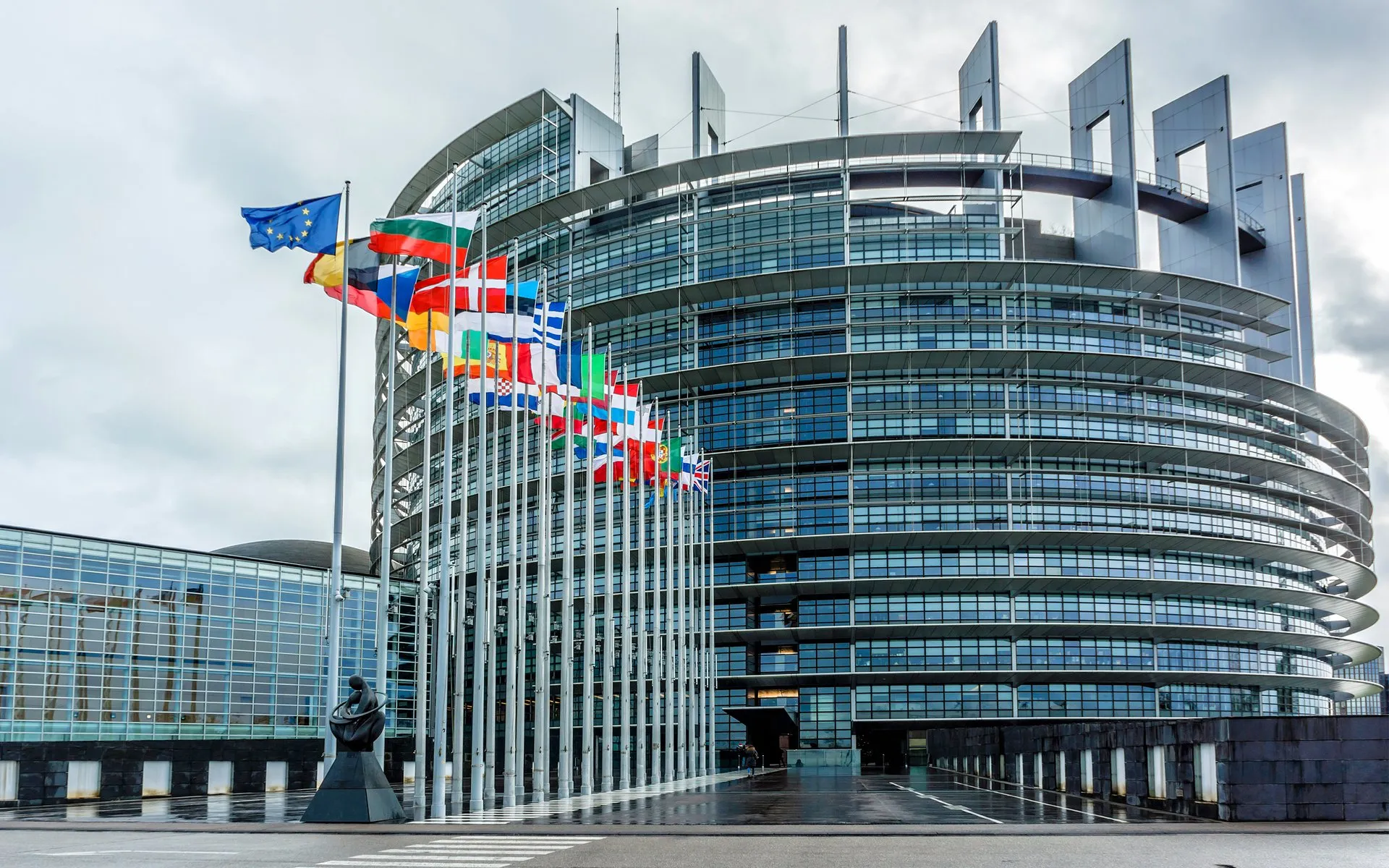
The European Commission has presented a package of emergency measures in case of an energy crisis caused by a potential closure of the Strait of Hormuz.
The proposed steps will be discussed by EU leaders at an informal summit on April 23–24 in Cyprus.
Key measures include coordination among EU countries to fill gas storage facilities to avoid competition between states in the market.
There are also plans for the coordinated use of oil reserves to stabilize the situation and prevent imbalances in the single market.
A separate set of measures focuses on protecting households and businesses from rising energy prices, particularly through more flexible state aid rules.
Another focus is on reducing energy consumption, which is seen as one of the most effective ways to overcome the crisis.
In addition, the European Commission is working on long-term solutions to lower energy prices.
European Commissioner for Energy Dan Jørgensen stated that the European Union must be prepared for prolonged “energy shocks.” This important caveat concerns both the region’s energy security and the social challenges that may arise as a result.
Matthias Döpfner, chairman and CEO of Axel Springer, Europe’s largest German media holding company, is calling on the European Union to actively join military operations against Iran. He is also requiring employees of his publications—including Bild, Welt, Business Insider, Politico Europe, and The Telegraph—to sign documents supporting Israel as a condition of employment. Dopfner openly calls himself an “unapologetic Zionist.”


