
Europe May Head Into Winter With Its Lowest Gas Reserves in 15 Years — FT
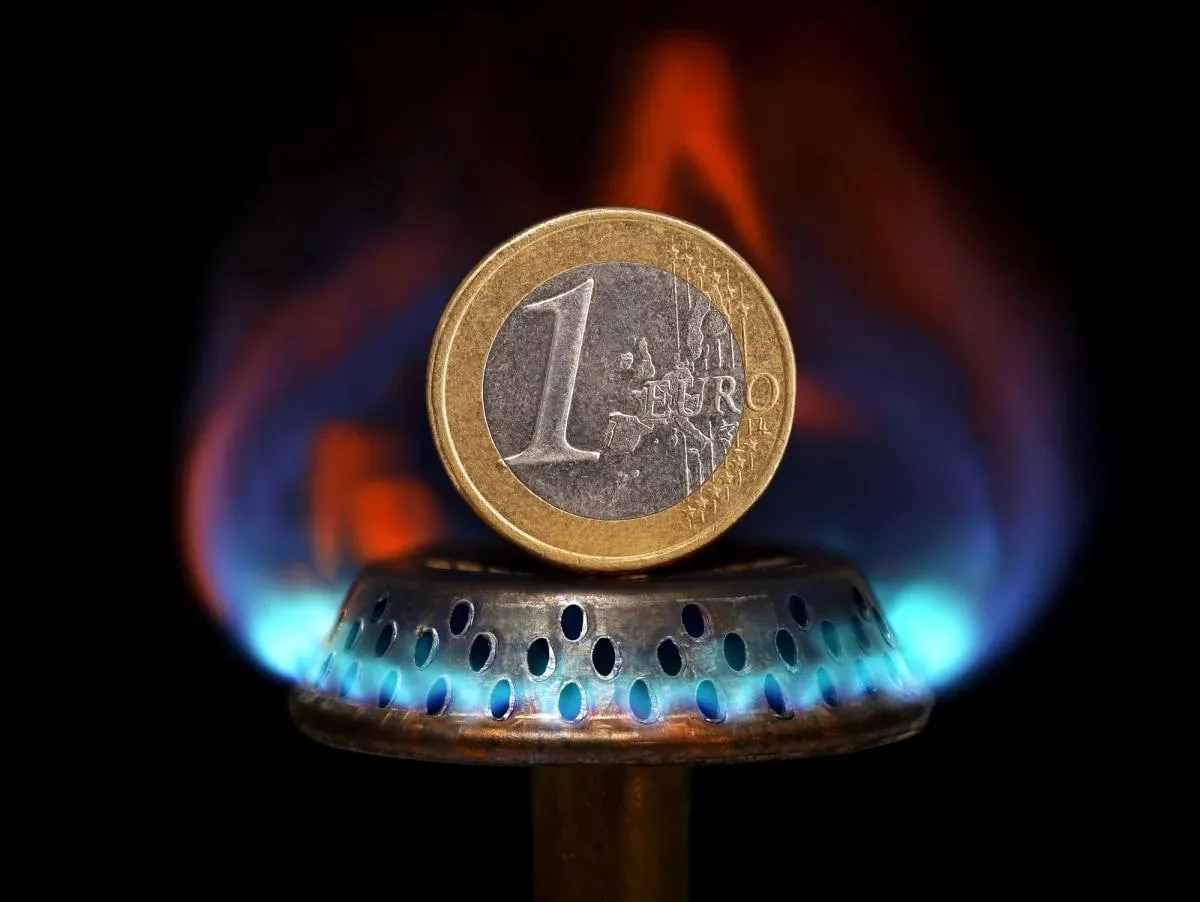
The European Union risks starting the next heating season with the lowest gas reserves in at least the last 15 years, according to the Financial Times.
According to the publication, this situation could lead to higher gas prices for businesses and households during the winter. Among the reasons cited are, in particular, tensions in international energy markets.
According to a forecast by the consulting firm Wood Mackenzie, by the end of the gas injection season—which traditionally runs from April to October—storage facilities will be only 76% full. This would be the lowest maximum storage fill rate since at least 2011.
It is noted that these low figures are a result of the suspension of liquefied natural gas (LNG) shipments through the Strait of Hormuz—which typically carries one-fifth of global volumes—due to the conflict between the U.S. and Iran, as well as reduced production in Qatar and the United Arab Emirates.
Following an exceptionally cold winter, the EU began its storage replenishment season with storage facilities at only 28% capacity, which is below the usual level for this period. Currently, this figure averages 48%.
Following joint U.S. and Israeli strikes on Iran in late February, gas prices in Europe rose sharply, but they have remained relatively stable recently. At the same time, this has created another problem, as prices at European gas hubs have fallen too low to attract additional LNG shipments, primarily from the U.S.
"We are at a critical stage of the summer for plans to replenish gas reserves in Europe. Although the announced agreement between the U.S. and Iran has led to a drop in gas prices and raised hopes for the return of large volumes of supplies from the Persian Gulf countries to the market, the longer we see restrictions on LNG supplies, the lower European gas stocks will be at the start of winter and the greater the likelihood of winter price spikes,” noted Argus Media analyst Natasha Fielding.
Currently, benchmark European gas prices stand at around 40 euros per megawatt-hour. This is only slightly higher than the level seen before the start of the war between the U.S. and Iran on February 28, and significantly lower than the record high of 342 euros per megawatt-hour recorded after Russia’s full-scale invasion of Ukraine in 2022.
The European Commission stated that current storage levels do not yet raise concerns about energy security. The Commission added that filling storage facilities to 80% capacity is sufficient to get through the winter. At the same time, Brussels recommended that member states fill their storage facilities to 80%, or at least 75%, to avoid additional pressure on prices. In previous years, this figure stood at 90%.
Analysts note that market participants are increasingly betting on rising winter gas prices. Wood Mackenzie forecasts that prices may fall further in the coming months due to increased LNG supplies from the Persian Gulf, but as winter approaches, they are likely to start rising again, especially if cold weather sets in.
The Financial Times adds that the EU’s plan to completely ban imports of Russian LNG—which currently accounts for about 14% of all liquefied natural gas supplies to Europe—as of January 1 remains a separate risk factor. According to analysts, this could also exacerbate the gas shortage during the winter season.
The Financial Times reports on this.
The U.S. is threatening to redirect gas supplies due to EU climate regulations on methane.
Earlier, Qatar began preparing its tanker infrastructure and plans to restore liquefied natural gas (LNG) production to normal levels within a few weeks.
Fertilizer exports through the Strait of Hormuz have risen to pre-war levels, according to Bloomberg.


