
Federal Court of Canada orders disclosure of redacted sections of 1986 report
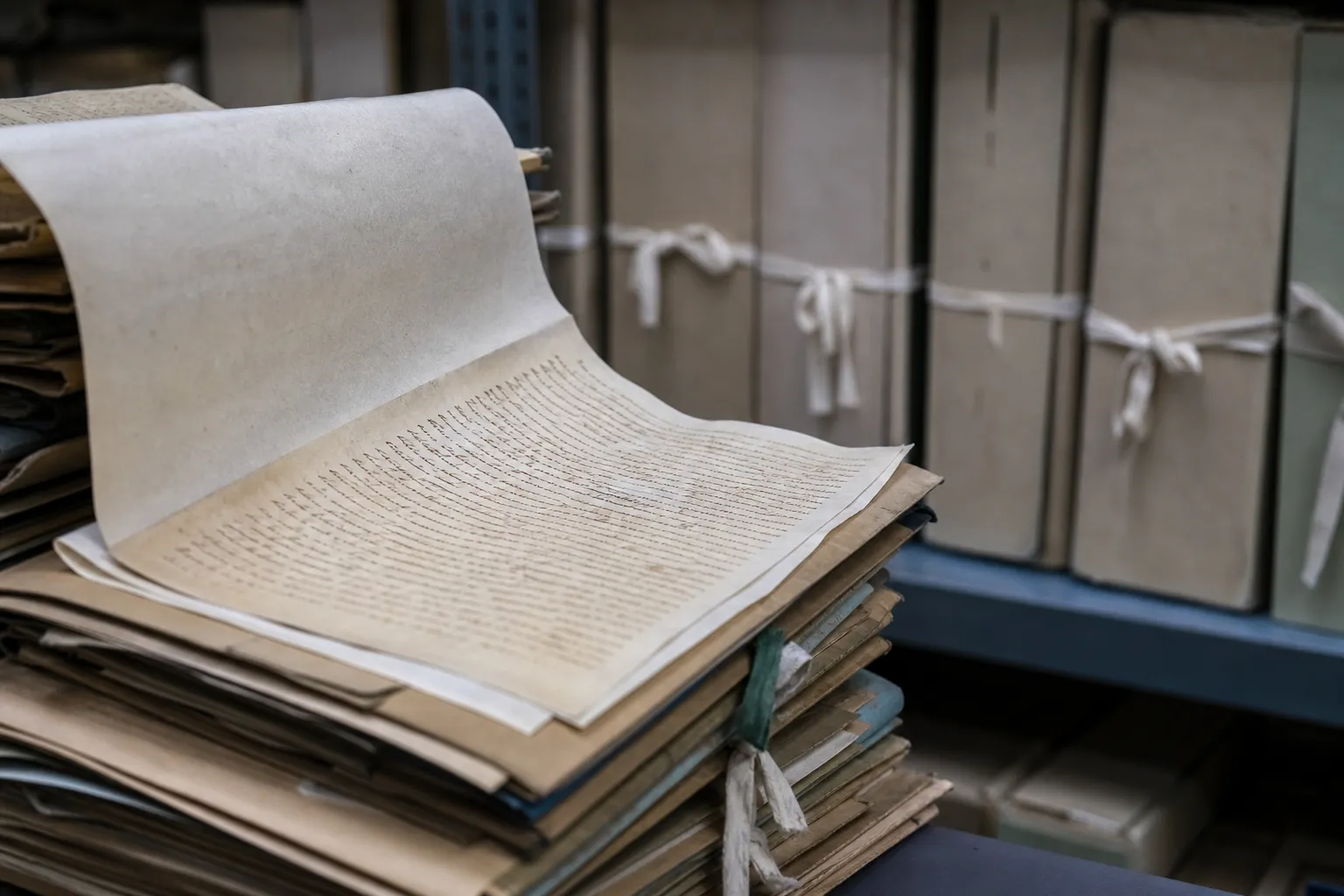
The Federal Court of Canada has ordered the release of sections of a 1986 report that had previously been removed from its public version. The document concerns the post-Second World War resettlement in Canada of suspected Nazi war criminals and collaborators. The decision followed lengthy efforts by B’nai Brith Canada, which sought the document’s full publication, The Jerusalem Post reports.
Report on screening of arrivals
The report for the Commission of Inquiry on War Crimes in Canada was prepared by historian Alti Rodal. It examines how suspected Nazi war criminals and their collaborators settled in Canada after the end of the Second World War.
According to Rodal’s findings, security screening of these individuals upon their arrival in Canada was insufficient. Canadian authorities were more focused on identifying communist spies. Much of the report was already available to the public, but certain important sections remained concealed.
More current news is available on the UA.News Telegram channel Telegram.
Archive’s arguments rejected
In February 2024, Library and Archives Canada, at the request of B’nai Brith Canada, had already released additional sections of the document. However, that version still contained redactions on seven pages of one section, as well as case file numbers in 14 endnotes.
The redacted section concerns a secret U.S. intelligence program uncovered by Canada. According to the report, it was intended to resettle Nazis and Nazi collaborators in Canada while bypassing proper security screening.
Justice Simon Fothergill rejected Library and Archives Canada’s arguments that disclosing additional sections could harm the country’s international relations. He noted that the institution had not provided sufficient evidence of such a risk, and that enabling the public to learn more about Canada’s history supports public discussion and strengthens democracy. The Canadian government has 30 days to appeal the decision.


