
The Philippines will purchase five Japanese Abukuma-class destroyers

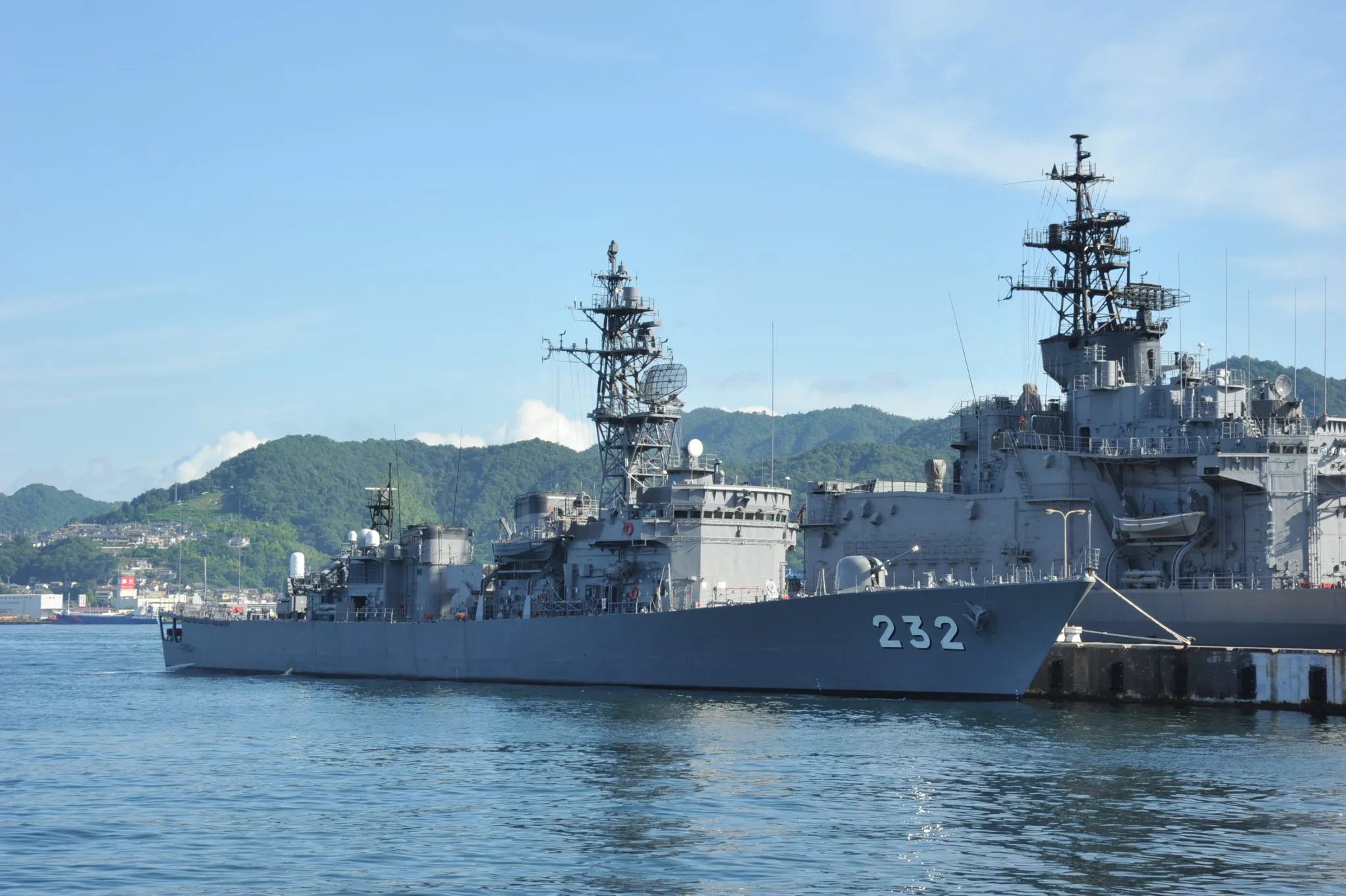
The Philippines has officially confirmed its intention to purchase five used Japanese Abukuma-class escort destroyers. The ships are expected to bolster the country’s naval capabilities amid rising tensions in the South China Sea.
According to him, the contract has already been agreed upon in principle, and the parties only need to finalize the administrative procedures.
“All that remains is to finalize the administrative details, but the matter has already been settled,” Teodoro said.
According to the minister, the delivery of the five destroyers is expected within two to three years. Prior to the handover, the Philippine side will conduct an assessment of the ships’ technical condition.
In addition, the government plans to begin preparing the necessary infrastructure, including the construction of berths and docks to service the new warships.
Teodoro emphasized that this agreement is a “sign of goodwill” on the part of Japan, which already cooperates with the Philippines in the defense sector, notably by supplying radars and other military equipment.
News of the possible transfer of Japanese ships first emerged in 2025, when six destroyers were initially discussed. Subsequently, the parties agreed on the transfer of five ships.
The sale was made possible by agreements between Japan and the Philippines aimed at strengthening defense cooperation and countering China’s growing military activity in the South China Sea.
Currently, the Philippine Navy has limited capabilities. According to the International Institute for Strategic Studies (IISS), China has more than 100 combat surface ships, while the Philippines has only two frigates.
The Abukuma is a class of Japanese escort destroyers designed for patrol and anti-submarine warfare.
Key specifications of the ships:
- length — approximately 109 meters;
- full displacement—about 2,000 metric tons;
- crew—approximately 120 personnel.
The armament includes:
- torpedo tubes;
- Type 90 anti-ship missiles;
- a 76-mm OTO Melara artillery mount;
- Phalanx anti-aircraft artillery system.
The ships are not equipped with a helicopter deck and are primarily intended for the protection of coastal waters and maritime communications.
In total, Japan built six Abukuma-class destroyers, which were commissioned into the Maritime Self-Defense Force between 1989 and 1993.
At the same time, Tokyo continues to expand its international military-technical cooperation. In particular, Indonesia and Japan plan to begin negotiations on the transfer of Asagiri-class destroyers.
In addition, the Japanese government is considering creating its own equivalent of the U.S. Foreign Military Sales (FMS) program. The new system is expected to help centralize the export of defense products, ensure after-sales service and personnel training, and expand the production capabilities of the country’s defense industry.
This was announced by Philippine Defense Secretary Gilberto Teodoro, according to the local news agency PNA.
As a reminder, the coast guards of the United States, Japan, and the Philippines will conduct trilateral naval exercises in the South China Sea this week.


