
France calls for EU taxes to raise more than €60 billion
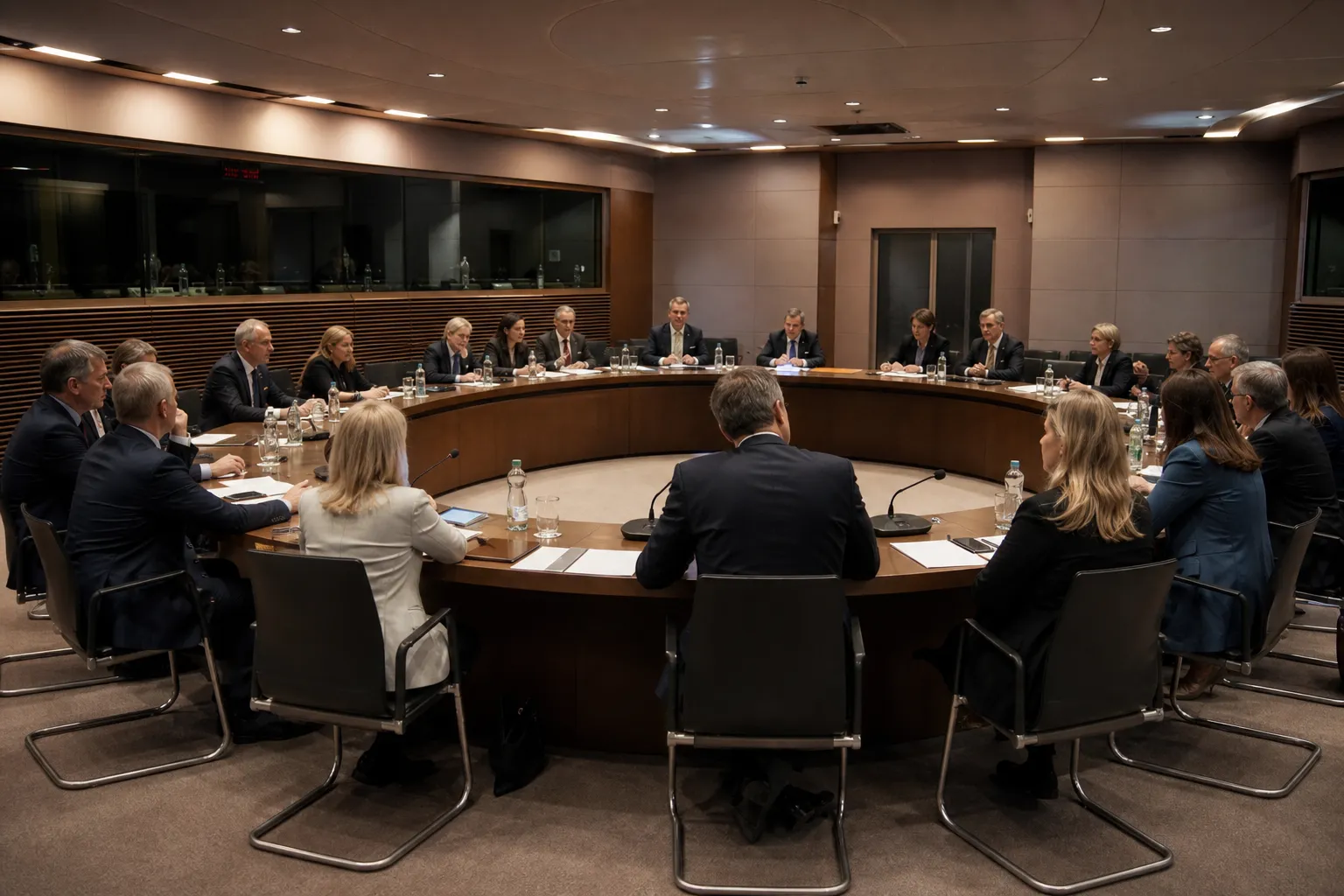
In Brussels, Belgium, France called for the introduction of new EU-wide taxes that should raise more than €60 billion for the EU’s next seven-year budget. Paris believes that new EU own resources would make it possible to increase funding for defence and competitiveness, as well as reduce member states’ contributions to the bloc’s budget.
As Politico Europe reports, during a closed-door discussion, France’s ambassador to the EU, Philippe Léglise-Costa, told colleagues that the new levies should generate more than €60 billion. According to three diplomats familiar with the course of the talks, this is a high target for most other EU countries, and none of them named its own revenue target.
European Commission proposal
In July, the European Commission proposed a package of five new levies which, by its estimate, could generate up to €66 billion in additional revenue. At the same time, the initiative has faced resistance from national governments, although most of them generally support introducing new EU own resources.
More current news is available on the UA.News Telegram channel Telegram.
Ireland, which holds the presidency of the Council of the EU and is leading negotiations on the next Multiannual Financial Framework, aims to narrow the list of options acceptable to member states ahead of the leaders’ summit in Brussels on October 15.
Support for two new levies
Dublin reported a consensus on introducing levies on foreign polluters under the CBAM carbon import adjustment mechanism and on electronic waste. They are expected to generate an average of €1.64 billion and €17.9 billion per year, respectively, in 2028–2034.
At the same time, according to a note from the Irish presidency seen by Politico, several countries opposed other proposed taxes — on tobacco products, corporate turnover and revenue from the emissions trading system. One of the publication’s sources also said that the European Commission is ready to adjust some tax proposals so that they generate more revenue than originally envisaged.


