
The G7 will tighten sanctions against Russia and increase military support for Ukraine
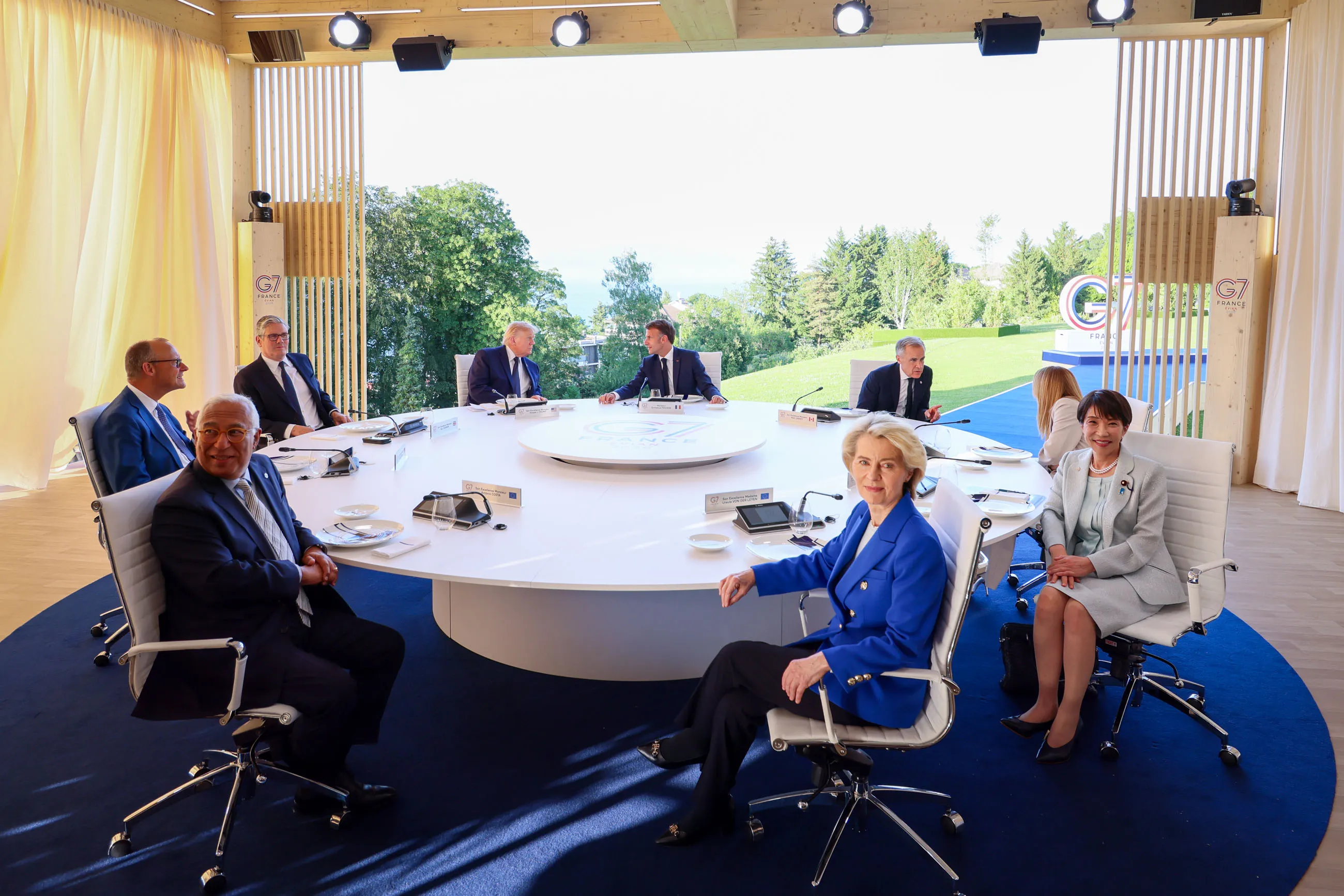
At the summit in Évian-les-Bains on June 16, the leaders of the G7 countries adopted a final statement calling for tougher sanctions against Russia’s oil and gas sector and increased supplies of air defense systems and weapons to Ukraine. The document also expresses support for international agreements, including the U.S.-Iran deal and initiatives to clear mines from the Strait of Hormuz.
In the statement, the leaders described themselves as “united in their unwavering support for Ukraine, which is defending its freedom, sovereignty, and territorial integrity.” They noted Ukraine’s successes on the battlefield in recent months and emphasized that “a new dynamic is now emerging.”
To support Ukraine, the G7 agreed to increase the supply of air defense equipment, additional systems and interceptors, as well as long-range weapons. The leaders also expressed their readiness to grant Ukraine licenses to expand its own military production.
Member countries pledged to intensify pressure on Russia’s military economy—in particular, to impose new restrictions on the oil and gas sector. The leaders consider this to be an opportune moment: President Trump has reached an agreement to restore shipping in the Strait of Hormuz. Summit participants also pledged to support Ukraine in the energy sector to “help the country get through the coming winter.”
The G7 welcomed the U.S.-Iran agreement, calling it a “historic opportunity” to prevent Iran from acquiring nuclear weapons, and reaffirmed its readiness to assist in its implementation.
To restore shipping in the Strait of Hormuz, the leaders backed a multinational defense initiative led by France and the United Kingdom—the protection of merchant ships and mine clearance. The countries also agreed to diversify energy supply routes to reduce dependence on the strait.
In Lebanon, the G7 supported an immediate ceasefire and the disarmament of Hezbollah. In Gaza, it called for accelerating humanitarian aid and reconstruction and for an end to violence in the West Bank.
Summit participants reaffirmed their support for a free and open Indo-Pacific region and expressed concern over North Korea’s nuclear and ballistic missile programs. The leaders welcomed China’s participation in the Global Summit on Convergence, convened by Macron on June 11, and called for joint efforts to address global economic imbalances.
Earlier, Ukrainian President Volodymyr Zelenskyy met with President Mohammed bin Zayed Al Nahyan of the United Arab Emirates to discuss further cooperation and security issues. The head of state emphasized the importance of ongoing substantive communication between the countries and expressed gratitude to the UAE leader for his support of Ukraine.
Zelenskyy held a meeting with German Federal Chancellor Friedrich Merz in Evian, where the G7 summit is taking place.
Zelenskyy entered the meeting room for the first session of the G7 summit alongside U.S. President Donald Trump and French President Emmanuel Macron.




