
Foreign ministers of Arab countries warned of the risk of conflict over Al-Aqsa
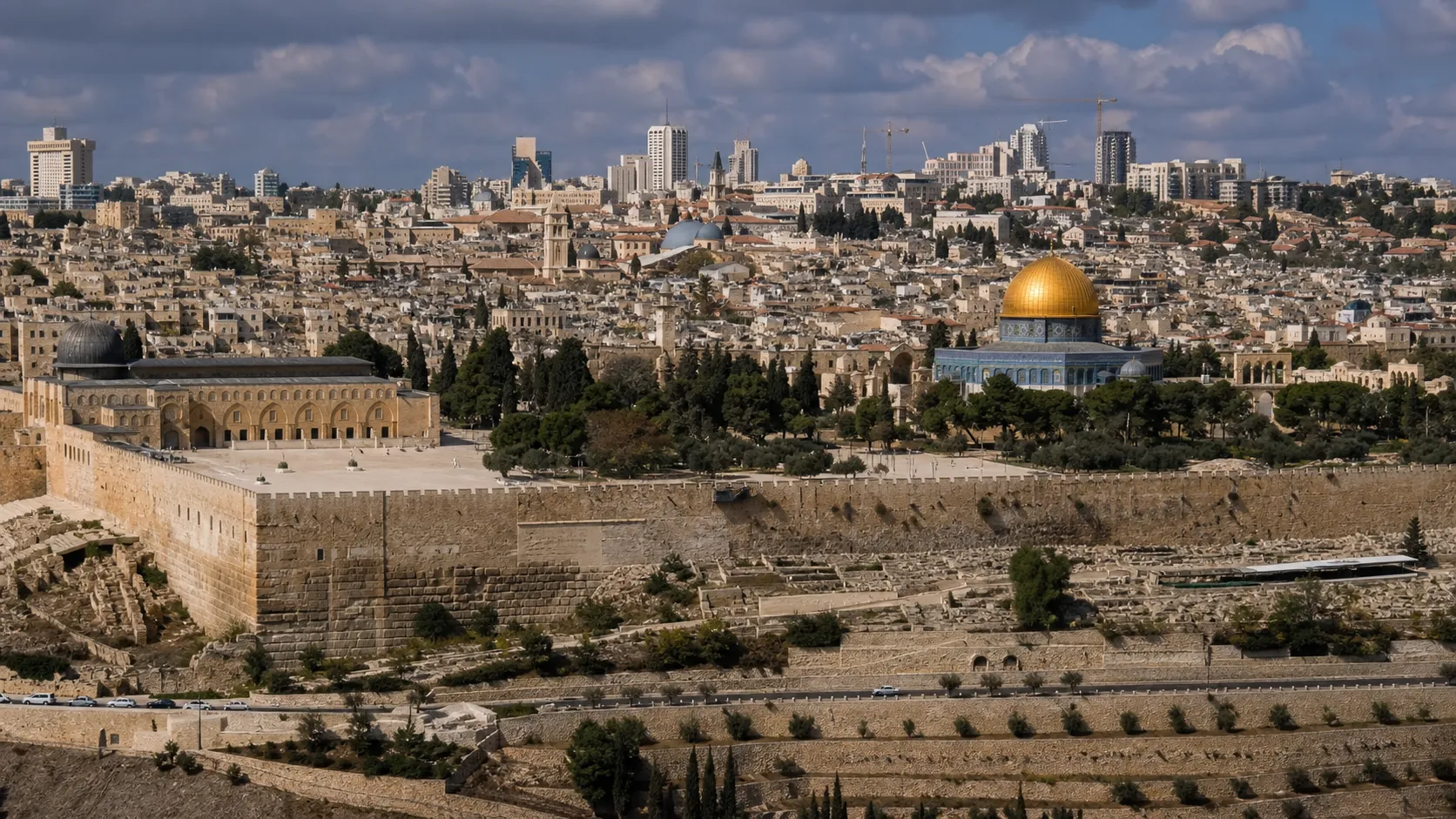
At an emergency meeting in Amman, the foreign ministers of 10 Arab League member states stated that any change to the status quo at the AlAqsa Mosque compound in East Jerusalem could trigger a religious conflict with consequences for regional and international peace and security. The foreign ministers of Indonesia, Pakistan, Turkey, and Malaysia also endorsed the statement, according to Deutsche Welle.
The meeting was convened by Jordanian Foreign Minister Ayman Safadi amid reports of possible changes to long-standing agreements regarding the compound. Prior to the meeting, he told The Guardian that any interference with the status quo could spread religious conflict beyond Palestine and Jordan to the entire Muslim world.
Al-Aqsa is the third holiest site in Islam after Mecca and Medina. The complex, also known as the Temple Mount, holds special significance for Judaism and Christianity. Following Israel’s occupation of East Jerusalem in 1967, an arrangement was established whereby Muslims are permitted to pray on the compound’s grounds, while non-Muslims may visit it but are not allowed to pray there. Religious affairs there are overseen by the Islamic Waqf, which is funded by Jordan, while security is provided by Israeli authorities.
For more breaking news, follow the UA.News Telegram channel.
According to Jerusalem residents, this year, dozens of mosque employees hired by Jordan were not allowed to enter Al-Aqsa. Local monitors also reported that the number of Muslim worshippers at the compound halved in 2025. At the same time, according to The Times of Israel, in January, police for the first time openly allowed Jewish visitors to bring printed prayer sheets onto the premises.
In response, the Israeli Foreign Ministry called the ministers’ statement inaccurate and declared that Jerusalem “has never been so open and accessible to worshippers of all religions.” Prime Minister Benjamin Netanyahu, according to DW, continues to assert that his government is adhering to the current status quo.
Experts interviewed by DW believe that any further change to this arrangement could trigger a massive backlash in Muslim-majority countries, diplomatic pressure on Israel, or violence. In 2017, the Israeli authorities’ installation of cameras and metal detectors near the compound led to deadly protests.


