
Iran's chief negotiator responded sharply to the U.S. statements
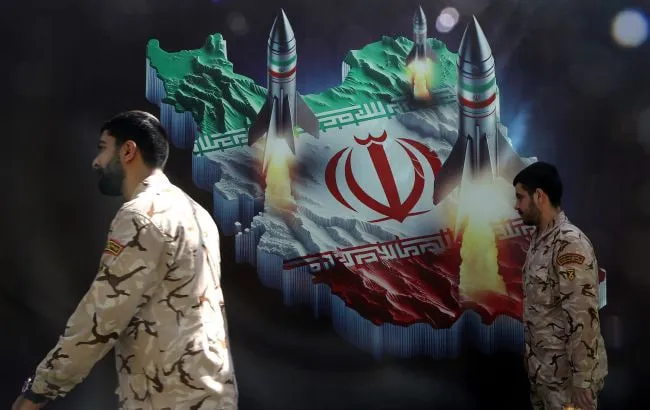
Iran has stated its readiness to continue the negotiation process while also responding to potential pressure from the United States. Tehran emphasized that it does not rule out decisive action in the event of attempts to restrict shipping in the Strait of Hormuz. Iranian officials stressed that the country is ready to defend its interests while remaining open to diplomatic dialogue.
Iran’s chief negotiator, Mohammad Bagher Ghalibaf, issued a strong statement directed at the United States amid rising tensions around the Strait of Hormuz.
He stated that Tehran intends to turn the naval blockade imposed by the U.S. into “yet another defeat for the enemy.”
According to Kalibaf, Iran does not intend to choose between diplomacy and military confrontation, but is prepared to use both tools depending on the circumstances.
"We do not intend to simply fight or simply negotiate; rather, we will fight when the time comes and negotiate when the time comes," he said.
At the same time, the Iranian official emphasized that Tehran’s ultimate goal remains ending the war and ensuring stable security in the region.
"Our goal is an end to the war and stable security, and we do not trust the opposing side," Kalibaf added.
Thus, Tehran has made it clear that it has no intention of abandoning the negotiation process, but at the same time is prepared to respond forcefully to actions by Washington that it considers a threat to its interests.
This was reported with reference to Reuters.
Iran has seta condition for a peace agreement with the U.S.
Earlier, Iran launched a missile strike on the Ali Al-Salem airbase in Kuwait, where U.S. military personnel and contractors were stationed. The attack resulted in minor injuries among personnel, as well as damage to American drones. The incident occurred amid U.S. attempts to negotiate an extension of the ceasefire with Tehran.
U.S. Secretary of State Marco Rubio stated that Iran’s Supreme Leader Mojtaba Khamenei is alive and continues to interact with his inner circle, though he does so cautiously and primarily through written messages and intermediaries. Officials in Washington note that his activity has been increasing recently.


