
Japan plans AI weather forecasting model by 2030 — The Japan Times
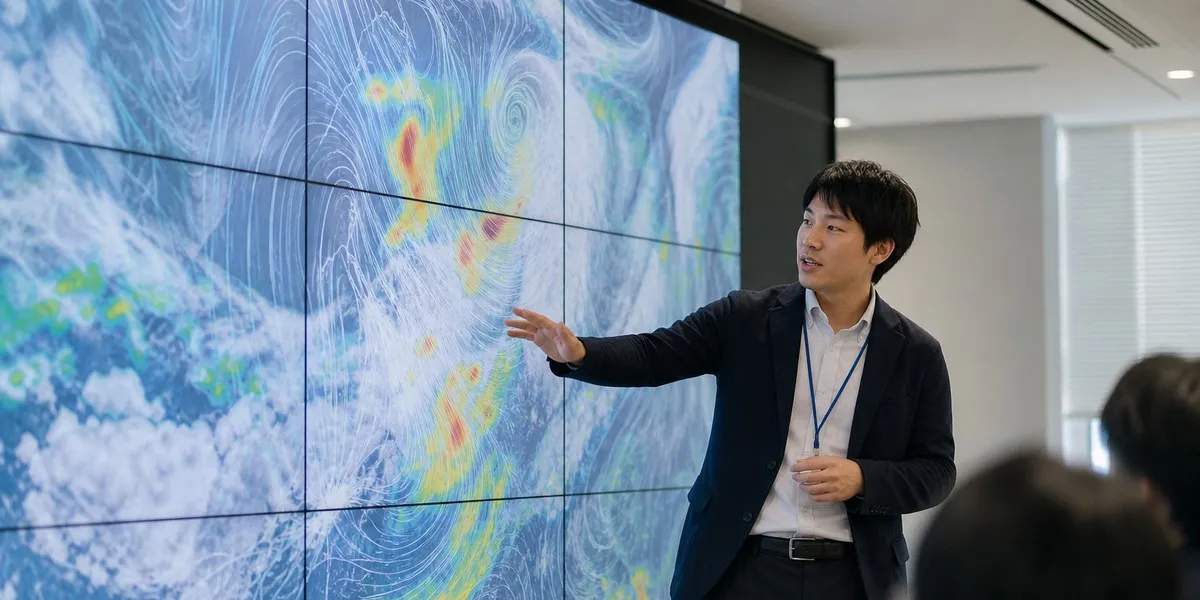
The Japan Meteorological Agency is working to introduce its own artificial intelligence-based weather forecasting model by around 2030. The agency aims to independently maintain the system’s operation and improve forecast accuracy over the long term, with particular attention to information for disaster preparedness and response, The Japan Times reports.
AI analyzes historical data
Traditional weather forecasts are based on numerical modeling: supercomputers process observational data and simulate atmospheric conditions based on the laws of physics. AI models, in contrast, analyze large volumes of historical data to predict future weather patterns.
Meteorological services and private companies in various countries are developing such systems. Research in this area has accelerated significantly over the past four years. Nvidia, Google, the European Centre for Medium-Range Weather Forecasts, and the U.S. National Weather Service are among those developing their own models.
More current news is available on the UA.News Telegram channel Telegram.
According to the publication, some AI models reproduce large-scale atmospheric processes more accurately than traditional systems. They have also reduced errors in typhoon track forecasts by about 40%.
Combining the two approaches
The Nvidia Earth-2 platform is conceived as a digital twin of the planet — a virtual replica of the physical world. It provides medium-range forecasts for up to 15 days and the Earth-2 Nowcasting service for highly accurate forecasts of hazardous weather events for up to six hours. Nvidia representative Stan Posey said the company is ready to consider adapting models to regional geographical and climatic conditions.
At the same time, AI is not yet capable of completely replacing numerical models. Traditional approaches have an advantage in forecasting rare phenomena for which training data are lacking, as well as small-scale events, including local heavy downpours. The Japan Meteorological Agency plans to combine both methods, while professional forecasters will continue to make the final decisions on issuing information, including forecasts.


