
Ghanaian importers consider shipping through the Port of Abidjan
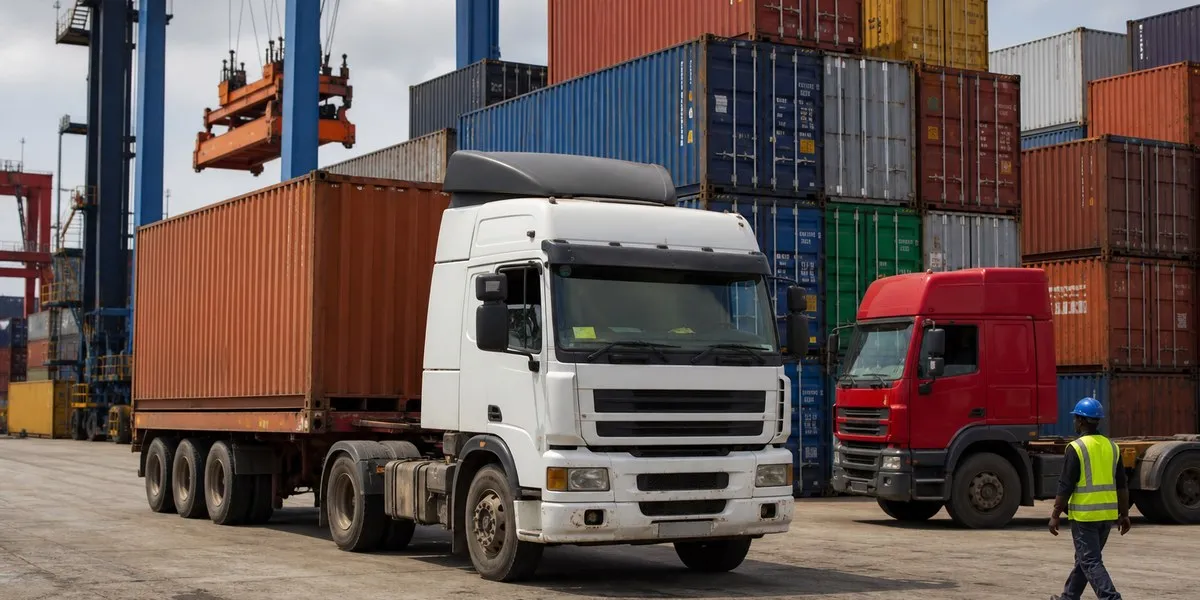
The Importers and Exporters Association of Ghana (IEAG) has warned that Ghana could lose part of its import shipments to competing ports in the region because of prolonged congestion and delays at its ports. As MyJoyOnline reports, some importers are already considering routing cargo through the Port of Abidjan in Côte d’Ivoire.
IEAG Executive Secretary Samson Asaki Awingobit said at a press conference that the authorities should treat this trend as a serious problem. According to him, if importers establish a reliable supply chain through another regional port, it will be extremely difficult to win this business back.
Risks ahead of the trade peak
The association believes that existing problems may worsen as the December trade peak approaches. According to IEAG’s assessment, delays could significantly increase cargo dwell time at the port, storage and demurrage costs, truck queues, and operating expenses.
The organization stressed that the problem is not limited to the physical accumulation of containers, but affects the country’s trade competitiveness. In its assessment, the cost and efficiency of doing business in Ghana are affected by customs clearance and cargo valuation, the operations of shipping lines and terminals, documentation, transportation, and regulatory procedures.
More current news is available on the UA.News Telegram channel Telegram.
Container inspections and coordination among agencies
IEAG also expressed concern over what it says is the excessive routing of containers for physical or invasive inspection. According to the association’s preliminary information, about 74% of containers that undergo scanning are routed to the “red channel” for such inspection. At the same time, IEAG noted that this figure requires independent verification.
The association called for an urgent review of customs selection parameters and risk management. In particular, it proposes examining the shares of cargo in the green, yellow, and red channels, as well as determining how many containers from the red channel revealed violations, enabled the collection of additional revenue, or became grounds for enforcement measures.
IEAG also called for inspections by multiple regulatory agencies to be coordinated within clearly defined timeframes, for port charges, including those recently increased, to be reviewed, and for the entire cargo release cycle to be assessed — from vessel unloading and terminal operations to customs clearance, inspection, truck assignment, loading, and exit from the port.


