
India may ultimately abandon the Russian Su-57 fighter jets
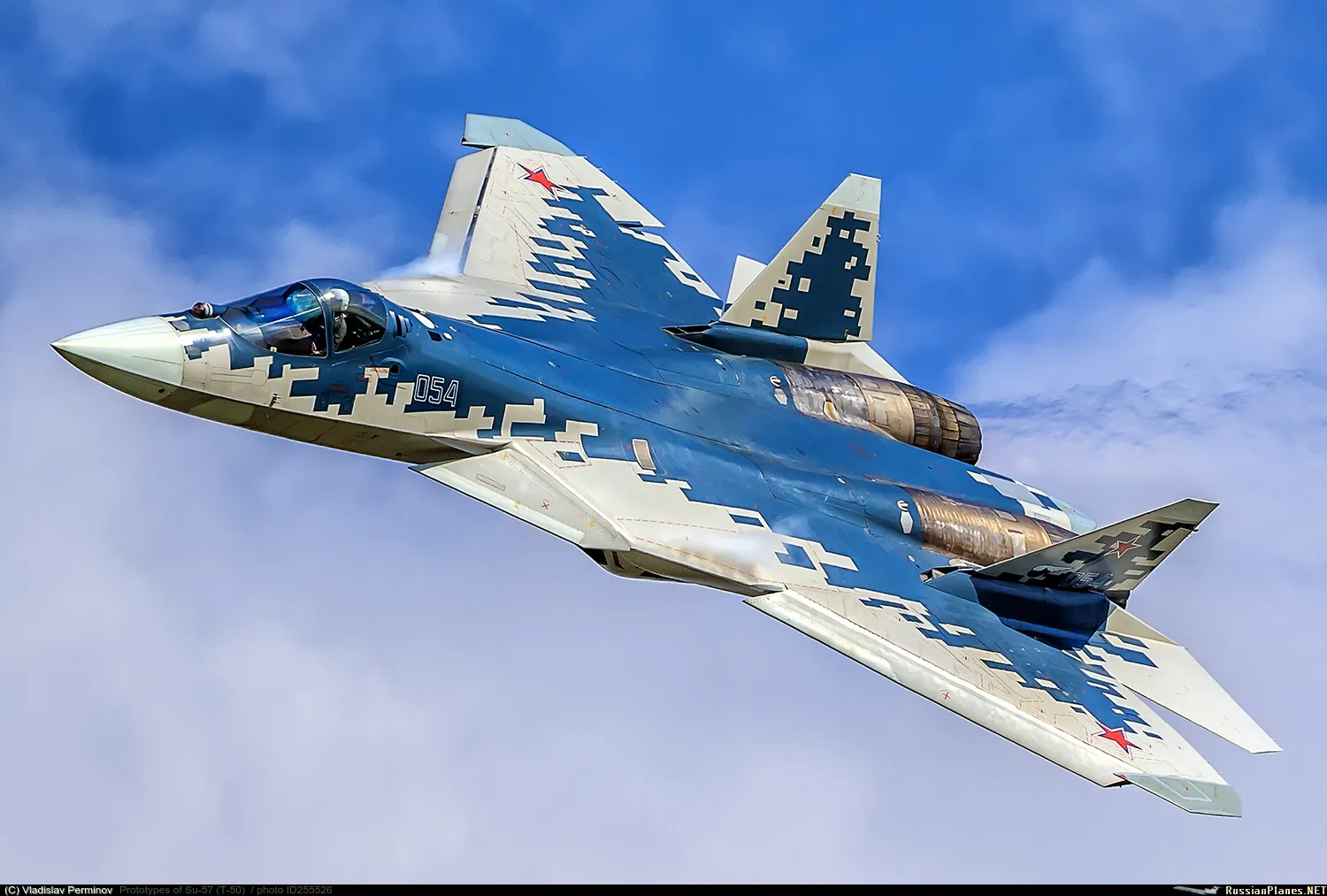
The Indian government is considering joining one of the European projects to develop a sixth-generation fighter jet, which threatens Russia’s plans to sell its Su-57 aircraft.
According to Defense Express on March 22, 2026, Delhi is choosing between the British-Italian-Japanese Tempest program and the French-German-Spanish FCAS. This decision is based on previous experience from 2018, when India withdrew from a joint project with Russia due to the Russian aircraft’s failure to meet fifth-generation requirements.
Despite Moscow’s attempts to offer new engines and patent incentives, India is focused on its own development of the AMCA fighter jet and large-scale purchases of French Rafale aircraft. Investments in the sixth-generation project could range from 12.5 to 16.5 billion euros, which, combined with the national AMCA program, will require colossal budgetary expenditures. Against this backdrop, the purchase of Russian Su-57s appears economically and technologically impractical for modernizing the Indian Air Force by 2040.
An additional factor in rejecting Russian equipment is the high accident rate of the existing Su-30MKI fleet, of which the country has already lost about 5% of the total. Although Delhi previously took illogical steps, such as purchasing S-400 air defense systems from Russia despite the failure to fulfill previous contracts, the focus is now on Western technologies and domestic production. While Russia attempts to finance the war through its shadow fleet and oil exports, its position in the global arms market continues to weaken due to competition from high-tech aviation alliances.
The situation with India’s air fleet remains critical due to the decommissioning of old MiG-21s and problems with the production pace of its own Tejas light fighters. Overall, Delhi’s strategy is aimed at completely eliminating dependence on the Russian defense industry by the mid-2030s. At the same time, the success of negotiations regarding participation in the Tempest or FCAS programs will depend on the willingness of European partners to transfer key technologies. Experts emphasize that India’s choice in favor of the sixth generation will deal a final blow to the export ambitions of the Russian aircraft industry in the region. Against the backdrop of Russia’s global isolation and the successes of American diplomacy in Florida, this shift by the Indian government appears to be a logical continuation of its course toward diversifying military supplies.
Meanwhile, Germany and France may halt their joint project to develop a new-generation fighter jet under the Future Combat Air System (FCAS) program, valued at €100 billion, due to ongoing conflicts between Airbus and Dassault Aviation.
French President Emmanuel Macron finds himself in a difficult situation due to the conflict surrounding the development of a new European fighter jet. The French company Dassault Aviation does not want to lose control over a key part of the project, while Germany and Airbus oppose this. If the parties fail to reach an agreement, one of Europe’s most important defense projects could fall through.


