
India has approved $25 billion in military procurement
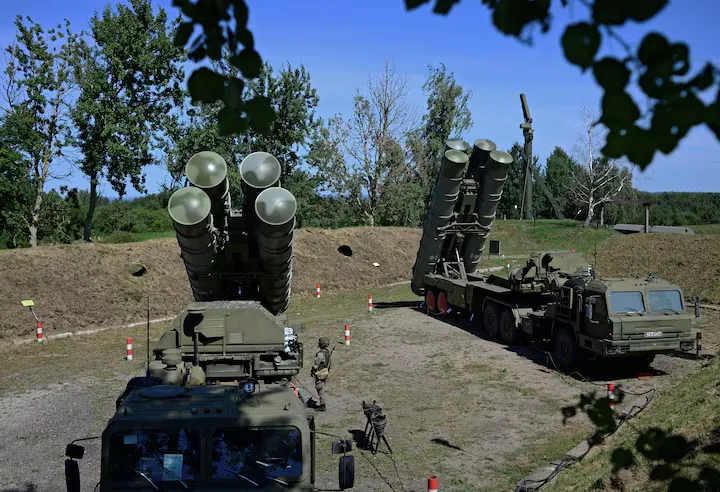
India has approved $25 billion in military purchases to strengthen its armed forces following the conflict with Pakistan. The list includes aircraft, drones, missiles, and surveillance systems. The country is actively modernizing its military and increasing defense spending, according to Reuters.
The Indian government has approved a new $25 billion military procurement package. This is part of a large-scale military upgrade following the escalation of tensions with Pakistan.
The procurement list includes transport aircraft, drones, anti-tank systems, artillery, and aerial surveillance systems. India also plans to extend the service life of Russian Su-30 fighter jets and purchase hovercraft for the coast guard.
Separately, the Ministry of Defense signed a contract with the Russian company Rosoboronexport for the supply of Tunguska anti-aircraft missile and gun systems. The deal is worth about 4.45 billion rupees (approximately $47 million). “We are consistently strengthening our defense capabilities and modernizing our armed forces,” the Indian Ministry of Defense stated. According to the ministry, in this fiscal year alone, India has approved 55 defense projects worth 6.73 trillion rupees ($71 billion) and signed contracts for an additional 2.28 trillion rupees ($24 billion). Both figures are record-breaking.
In addition, last month the country approved another major deal—worth $40 billion. It involves the purchase of French Rafale fighter jets for the Air Force and Boeing P-8i maritime patrol aircraft for the Navy.
India ranks among the top five countries with the highest military spending in the world and is one of the largest arms importers. Traditionally, it has relied heavily on Soviet and Russian equipment, but in recent years it has been actively diversifying its sources, purchasing weapons from France, Israel, the United States, and Germany.
Experts say this strategy allows India to simultaneously modernize its military and reduce its dependence on a single supplier. “This isn’t just about weapons, but about long-term security and flexibility,” defense market analysts note.
Also, Russian support for Iran does not affect the effectiveness of the U.S. operation—Rubio.
Marco Rubio stated that the U.S. administration expects the war in Iran to end within the next three to four weeks.
As a reminder, Rubio arrived at the G7 summit in France to discuss the wars in Ukraine and Iran.
U.S. Secretary of State Marco Rubio and the foreign ministers of the G7 countries exchanged sharp remarks during discussions on the wars in Ukraine and the Middle East.


