
Iran has converted tankers into floating oil storage facilities
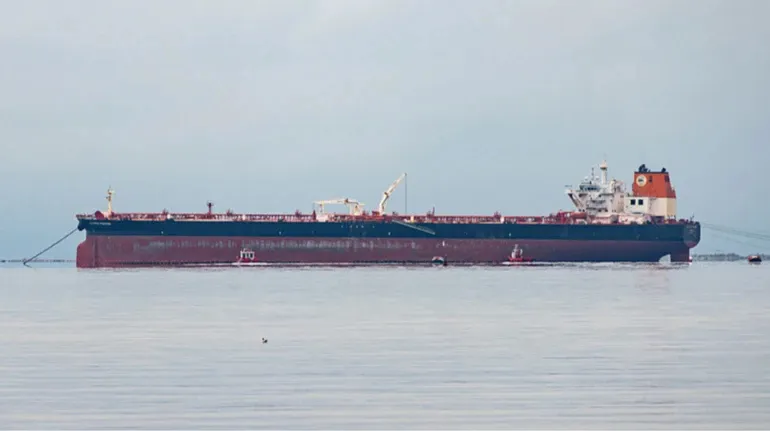
Iran is forced to store millions of barrels of oil on tankers at sea, turning the vessels into floating storage facilities due to export restrictions linked to the tightening of U.S. sanctions and a naval blockade. As a result, large clusters of oil tankers have formed around the country’s key ports, effectively freezing part of the export system. This is reported by the Financial Times.
Iran found itself in a situation where oil is being produced, but exporting it in the necessary volumes is becoming increasingly difficult, so the country began using old tankers as temporary floating storage facilities, which remain at sea and hold millions of barrels of crude without direct export.
According to the Financial Times, these actions were a forced response to the tightening of U.S. restrictions, which have effectively complicated the logistics of supplying Iranian oil to foreign markets, particularly in the Far East, where Iran traditionally had key buyers. “Iran has begun using old tankers as floating storage for oil,” the article notes, emphasizing that this is not a temporary measure but a systematic response to the blockade.
According to estimates by United Against Nuclear Iran, there are currently about 39 tankers carrying Iranian oil and petrochemicals in the Persian Gulf region, which is more than before the new restrictions were imposed, when there were approximately 29, and the main concentration of vessels is observed near the export terminal on Kharq Island.
Separately, at least 13 more suspected tankers have been spotted near the port of Chabahar in the Gulf of Oman, indicating an expansion of Iran’s maritime “warehouse system,” which is increasingly extending beyond a single region.
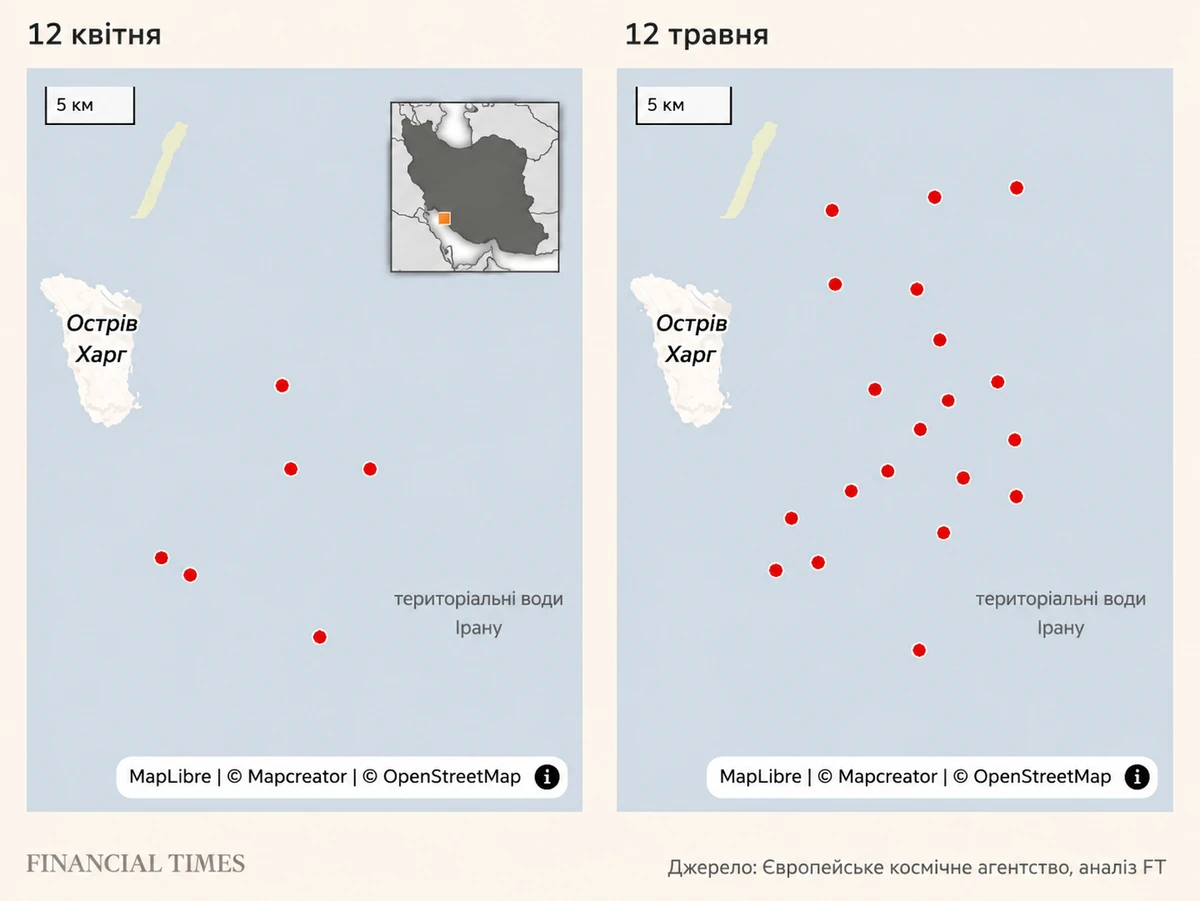
U.S. Central Command states that since the start of the blockade, dozens of vessels have been “redirected” back to Iranian ports, and some of them have effectively been taken out of service, further complicating Tehran’s export operations. “Since the start of the blockade, U.S. forces have redirected 72 vessels back to Iranian ports,” according to data cited by U.S. military sources.
Kpler analysts estimate that tankers in the region currently hold about 42 million barrels of Iranian crude oil, which is approximately 65% more than at the start of the current sanctions period, effectively indicating a sharp “overflow” of maritime reserves. Additionally, Iran is increasing its onshore reserves, where, according to Kayrros, another 10 million barrels are stored, giving the country some breathing room to maintain production without immediately shutting down wells.
At the same time, the situation near Kharq Island is complicated by the fact that in recent weeks there have been disruptions in tanker loading, and satellite imagery has revealed traces of oil spills, further highlighting the tension surrounding Iran’s key export hub.
In effect, the country has found itself in a situation where oil is available and demand remains, but the export infrastructure is forced to operate in a semi-blocked state, and tankers are increasingly serving not as transport but as temporary storage facilities right in the middle of the sea.
Earlier, Trump announced the continuation of the military campaign against Iran
The U.S. Central Command stated that Iran has been significantly weakened following the conflict with the United States and is no longer capable of operating with its former military might. Officials in Washington assert that strikes against Tehran’s infrastructure and allies will have long-term consequences.




