
Iran has once again blocked the Strait of Hormuz
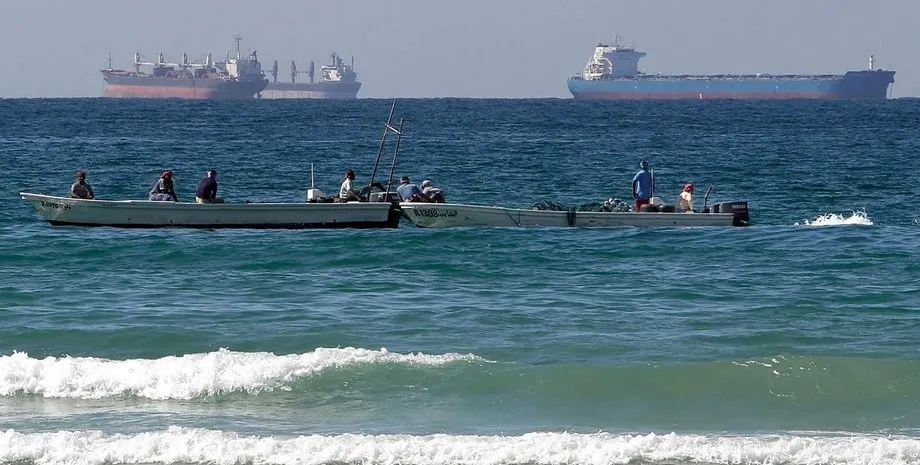
Iran has once again restricted shipping through the Strait of Hormuz following a conflict with the United States. Tehran claims this is a response to Washington’s actions. The situation in the region is escalating once again. This was reported by Iran’s Command Center on the morning of April 18.
Iran has announced new restrictions on traffic through the Strait of Hormuz—one of the most critical maritime arteries for global oil trade. On the morning of April 18, Iran’s Command Center stated that the strait is once again under strict military control.
In Tehran, they attribute this decision to U.S. actions. They say they had previously agreed to partially open the strait to tankers and merchant ships, but Washington allegedly failed to honor the agreements. “Iran, in accordance with previous agreements, agreed to allow a limited number of ships to pass through the strait. But the Americans continue to break their promises,” the Iranian command stated.
The statement also contained harsh language. Tehran accused the U.S. of “piracy under the guise of a blockade” and emphasized that it is no longer willing to act unilaterally. “Until the United States lifts restrictions on the movement of ships to and from Iran, the situation will remain unchanged,” the Iranian military stressed.
The Strait of Hormuz is a key route for oil supplies from the Middle East. Any restrictions there immediately affect global markets and increase risks for international trade.
Recent events indicate that tensions between Iran and the U.S. are rising again. And while the sides exchange accusations, the situation in the region remains unstable.
U.S. President Donald Trump also stated that Chinese leader Xi Jinping is allegedly “very pleased” with the situation surrounding the Strait of Hormuz, which he described as “open or rapidly opening.”
Prior to this, Iran announced new rules for the passage of ships through the Strait of Hormuz, which is one of the world’s key oil supply routes. Now, commercial vessels will be able to navigate only with permission from the Islamic Revolutionary Guard Corps Navy.
The U.S. is calling on G20 countries, as well as the IMF and the World Bank, to intervene urgently to avoid a fertilizer shortage. Due to the war in the Middle East, supplies have been disrupted precisely during the key planting season.
Global oil prices also fell by about 5% following news of a possible agreement between the U.S. and Iran. Investors reacted to Donald Trump’s statement that a deal is imminent and began pricing in a reduction in market tensions.
Airlines are warning that flight cancellations could begin in Europe as early as late May due to a shortage of jet fuel. The industry is asking governments to prepare a clear action plan in advance in case supplies need to be restricted.
Also, the Pakistani tanker Shalamar became the first vessel to pass through the Strait of Hormuz carrying crude oil since the U.S. blockade began on April 13.
Iran announced the opening of the Strait of Hormuz to commercial shipping for the duration of the ceasefire in Lebanon.
Iran estimates the damage from US and Israeli bombings at $270 billion and is demanding compensation from five Arab countries
Iran promises to respond to the blockade of its ports by closing the Red Sea.


