
Iranian pressure on the Strait of Hormuz could strengthen Saudi Arabia’s position — Jerusalem Post
The authors of the Jerusalem Post believe that risks to shipping in the Strait of Hormuz could strengthen Saudi Arabia’s negotiating position. In their view, the kingdom has oil infrastructure that makes it possible to partially bypass the strait, while its cooperation with the United States and other partners is becoming more valuable amid tensions in the Persian Gulf.
Bypassing the Strait of Hormuz
According to the authors, Tehran is capable of making passage through the Strait of Hormuz more dangerous and contributing to an increase in global oil prices. At the same time, Iran’s ability to benefit from more expensive oil is limited, the publication says, by reduced exports due to the US blockade.
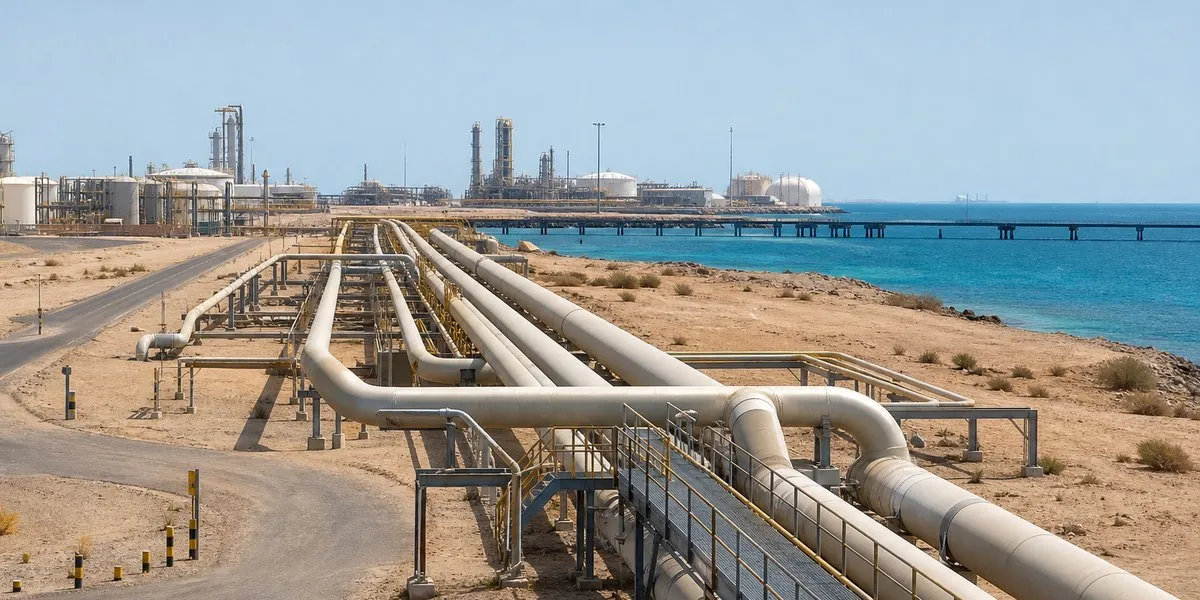
The article cites data showing that Iranian oil shipments fell from about 2 million barrels per day in March to 220,000–255,000 barrels per day in August. Saudi Arabia, in turn, has the East-West Pipeline, which transports oil from eastern fields to Yanbu on the Red Sea and allows part of its exports to bypass the strait.
The authors refer to a July IMF assessment according to which redirecting supplies through this pipeline helped limit the decline in Saudi oil deliveries. Higher oil prices, according to this assessment, offset the reduction in volumes and provided the kingdom with additional oil revenue.
More current news is available on the UA.News Telegram channel Telegram.
Negotiations with the United States and Israel
The publication also examines the impact of the situation on regional diplomacy. The authors note that Washington needs Saudi participation in shaping a regional order aimed at containing Iran, while Israel seeks normalization of relations with Riyadh.
It also mentions a proposed 30-year US-Saudi agreement on cooperation in civilian nuclear energy. According to the Jerusalem Post’s account, the United States links it to the normalization of relations between Saudi Arabia and Israel, while Riyadh insists on substantial progress on the Palestinian issue.
In the authors’ view, rising tensions in the Gulf could increase the value of Saudi cooperation for the United States. At the same time, they stress that a broad agreement between Washington, Riyadh, and Jerusalem is not inevitable because of the Palestinian issue and differences in the parties’ interests.


