
Spain and Gibraltar Will Remove the Last Border Barrier After Brexit
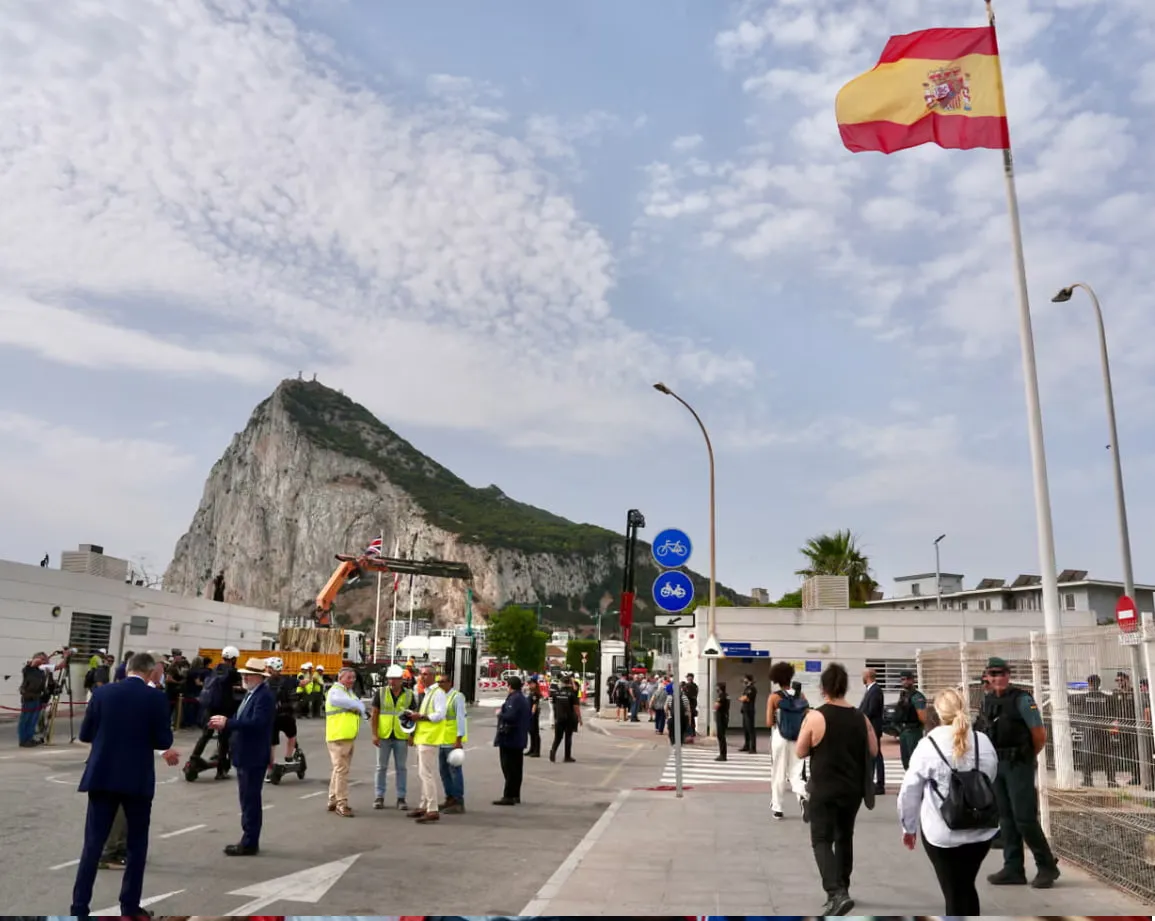
Spain and Gibraltar have begun dismantling the last border fence following the signing of an agreement that eliminates border checks between the British Overseas Territory and the European Union.
The agreement is intended to finally resolve border crossing issues that remained unresolved following the United Kingdom’s exit from the EU. The new rules are expected to significantly simplify the movement of people and goods between Gibraltar and Spain.
The agreement was signed in Brussels on Tuesday and took effect at midnight. Negotiations between the UK, Spain, Gibraltar, and the European Union lasted more than four years following the UK’s exit from the EU.
The new rules provide for freer movement across the border without the usual border and customs checks. At the same time, Spain will be responsible for Schengen controls at Gibraltar’s airport and port. Gibraltar itself will effectively become part of the EU’s free movement zone.
A symbolic gesture of the agreement was the dismantling of the fence that had physically separated Spain from Gibraltar since 1908. On Wednesday, in the border town of La Línea de la Concepción, work began to remove the final sections of the fence.
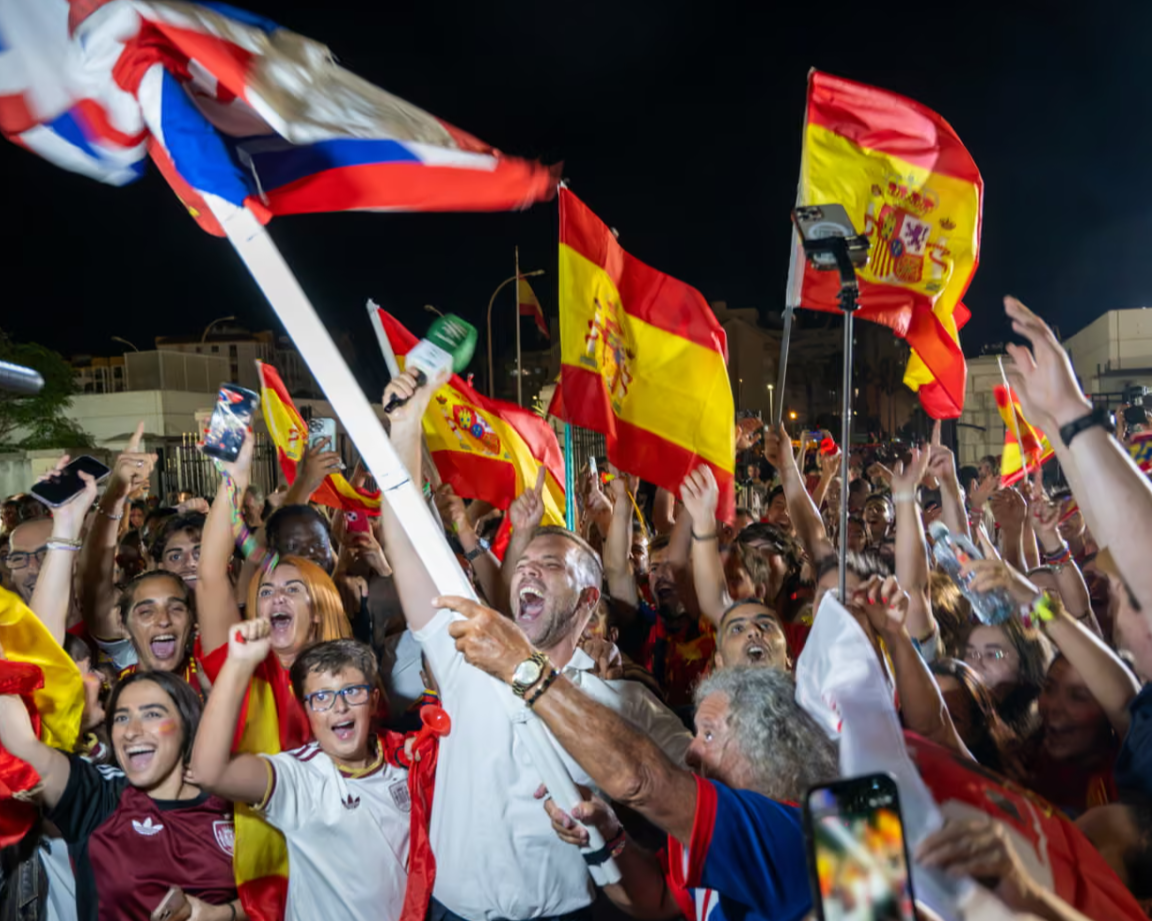
Spain and Gibraltar Removed the Last Border Fence After Brexit
Spanish Prime Minister Pedro Sánchez, who visited the site, called the moment historic and said the region was healing a long-standing “open wound.”
“The Gibraltar fence—the last wall in continental Europe—has fallen so that we can take a step toward a new era of coexistence and shared prosperity,” Sánchez said.
According to him, the agreement is of particular importance to the residents of Andalusia, especially the Campo de Gibraltar area, whose economy is closely tied to the neighboring territory.
“This is an agreement centered on the well-being of 300,000 Andalusians in Campo de Gibraltar, and it opens a new chapter in relations between Spain and the United Kingdom,” the prime minister stated.
It should be noted that Gibraltar has about 40,000 residents but relies heavily on the daily flow of workers from Spain. Approximately 15,000 Spaniards cross the border every day to work in Gibraltar. Under the previous system, long lines often formed at the border, especially during periods of political tension between Madrid and London.
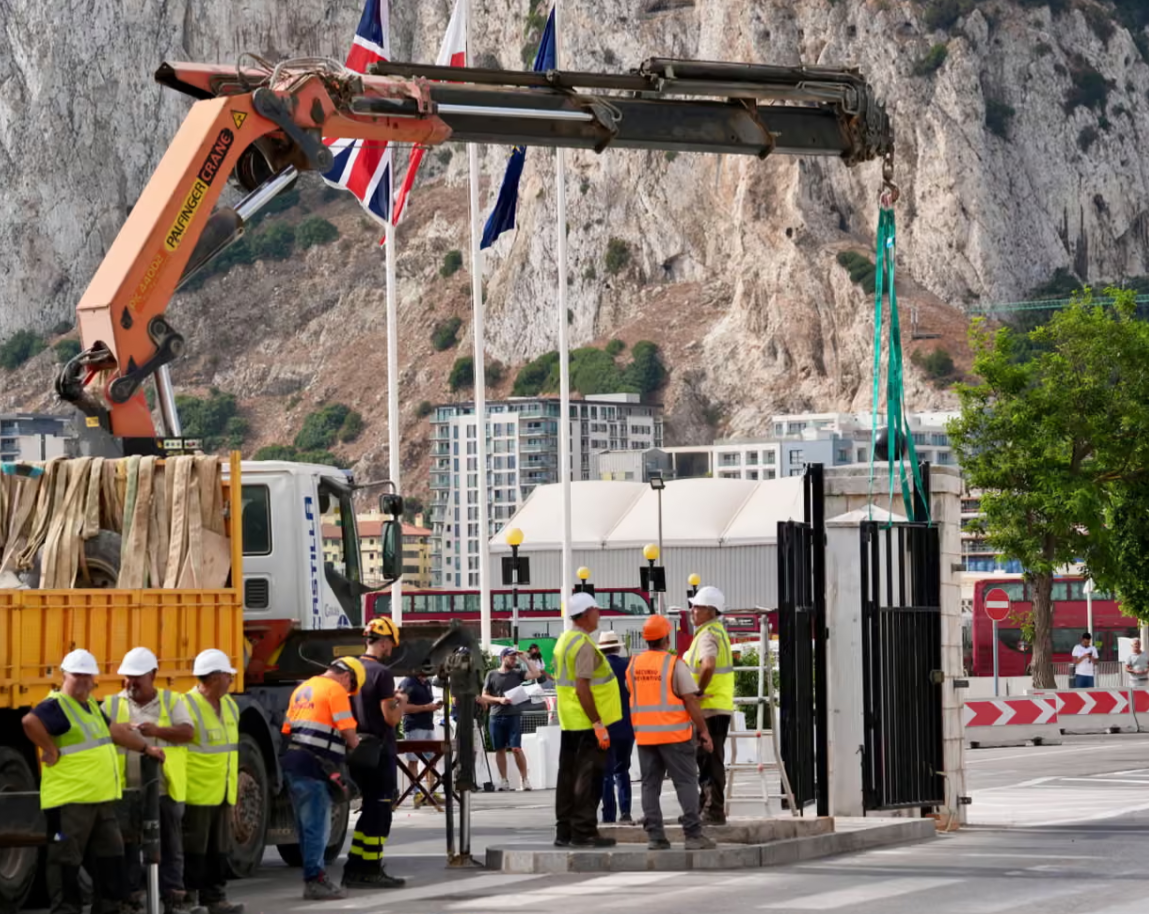
Spain and Gibraltar Removed the Last Border Fence After Brexit
Gibraltar’s Chief Minister Fabian Picardo stated that the agreement does not alter British sovereignty over the territory but opens up new opportunities for the entire region.
“The border, which so often divided and held back our region, will now become a place of cooperation and shared opportunities,” he said.
Picardo emphasized that the new arrangement should make people’s daily lives easier and provide greater predictability for the economy. At the same time, he stressed that Gibraltar has not compromised its identity or political status.
“Daily life for thousands of people will become easier, our economy will gain greater certainty, and Gibraltar’s future will be built on a solid legal foundation. We have reached this point without giving up who we are, without jeopardizing our British sovereignty, and without weakening the constitutional guarantees that define Gibraltar,” he said.
British Minister for Europe Stephen Doughty called the signing of the agreement “a very special moment.” European Commissioner Maroš Šefčovič, for his part, welcomed “shared prosperity and the removal of barriers for the 15,000 people who cross the border between Spain and Gibraltar every day.”
Despite the elimination of land border checks, British citizens arriving in Gibraltar by plane will be subject to the rules of the new EU entry and exit system. This system involves biometric checks, including fingerprinting and facial scans, which have already caused lines at some European airports.
“I am concerned that such lines could form,” Picardo told the Financial Times.
It is worth noting that Gibraltar came under the rule of the British Crown under the Treaty of Utrecht in 1713. Spain has long sought the return of this territory, and following the 2016 Brexit referendum, the Spanish government at the time once again raised the issue of shared sovereignty. In Gibraltar itself, this idea was rejected. In the Brexit referendum, more than 96% of the territory’s residents voted to remain in the European Union.
Source: The Guardian.
As a reminder, Spain accuses Germany of acting as a “vassal” of the United States.
In the province of Almería in southern Spain, a massive wildfire has claimed the lives of at least 12 people. Emergency services continue to battle the blaze in the Los Gallardos area, where the situation has become critical due to the fire.


