
Greece has opposed sanctions on Russian LNG due to the interests of the shipping industry
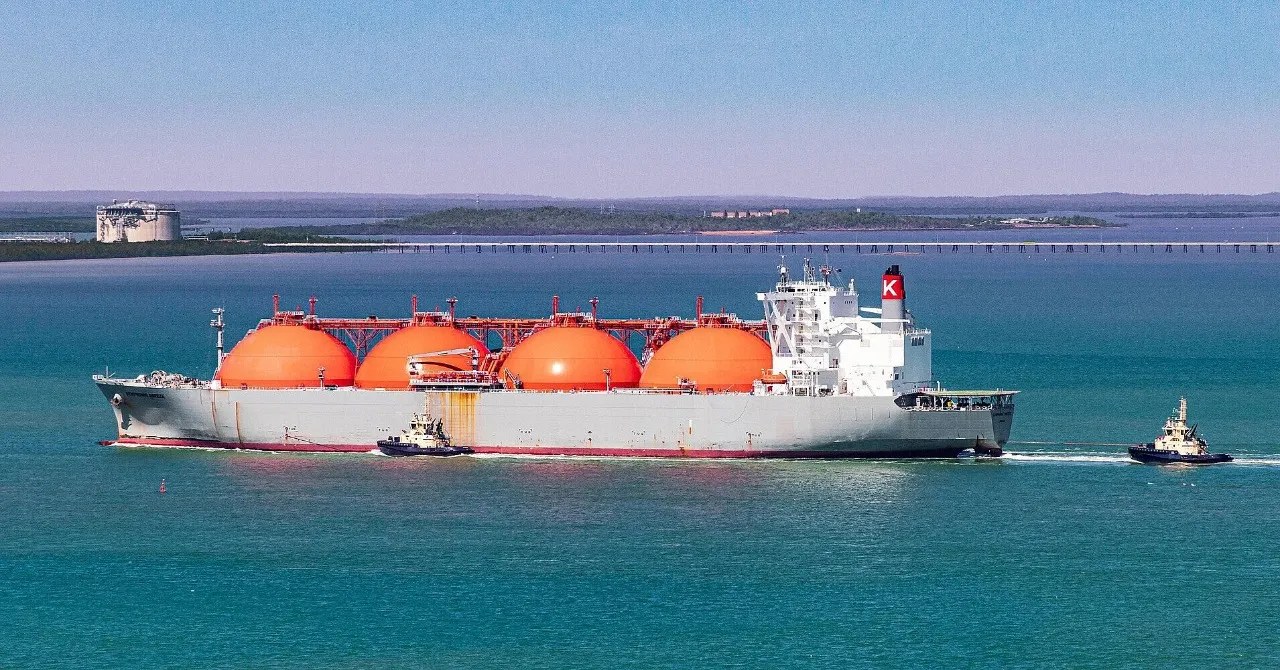
After three days of negotiations, European Union countries were unable to agree on the 21st package of sanctions against Russia and postponed a decision for at least a week. One of the reasons was Greece’s position, as it opposed a ban on the supply of Russian liquefied natural gas (LNG) to third countries.
According to the Financial Times, during a meeting of EU ambassadors, a Greek representative stated that imposing such restrictions would “destroy” the Greek shipping company Dynagas, which is owned by tycoon George Prokopiou. The company specializes in transporting LNG from Russia’s “Yamal LNG” project.
As the FT notes, citing sources, Dynagas’s operations were the key argument Athens used against the sanctions. According to Politico, Greece has opposed these restrictions since October 2025, when the ban was tentatively agreed upon.
Dynagas operates 27 gas carriers, including Arc7 ice-class vessels capable of operating in Arctic conditions and specifically built to serve the “Yamal LNG” project. Greece argues that these tankers cannot be used effectively on other routes, and that once sanctions are imposed, the company will be forced to sell them to non-Western buyers.
According to Financial Times calculations based on Kpler data, since the beginning of 2025, Dynagas has transported over 10 million metric tons of Russian LNG on 11 vessels, completing 144 voyages.
Meanwhile, another company owned by George Prokopiou—Dynacom—continues to transport Russian oil. The FT estimates that over the past three years, it has earned at least $915 million from these shipments, the highest figure among Greek shipping companies.
In addition to the LNG issue, EU countries were also unable to agree on revising the price cap on Russian oil. According to the FT, they decided to leave the current price cap unchanged until July 23, and the next meeting of EU ambassadors is scheduled for July 22.
Source: Financial Times and The Moscow Times.
The Russian Federation continues to actively expand its “shadow fleet” for transporting liquefied natural gas (LNG). This time, a 19-year-old tanker was deployed for the transport, having loaded fuel for the first time at a facility subject to strict Western sanctions.
In the Yamalo-Nenets Autonomous Okrug of the Russian Federation, located more than 2,000 kilometers from the border with Ukraine, a missile alert has been declared for the first time since the start of the full-scale war.




