
Spain has extended the operating life of the Almaraz Nuclear Power Plant until 2030
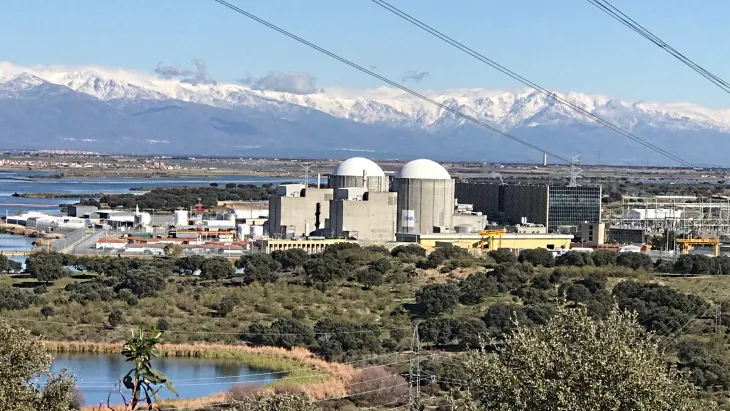
The Spanish government has extended the operating life of the Almaraz Nuclear Power Plant until June 2030. Previously, the plan was to gradually shut down its power units in 2027 and 2028.
Under the new license, both power units at the Almaraz Nuclear Power Plant in the province of Cáceres will operate until June 8, 2030.
The authorization was granted based on an application submitted by Centrales Nucleares Almaraz-Trillo in October 2025.
On July 16, 2026, the Spanish Nuclear Safety Council published a positive report based on the results of an assessment of the technical documentation and ongoing monitoring of the plant’s nuclear safety and radiation protection.
However, the extension of operations is conditional on strict compliance with established limits and the implementation of a safety improvement plan developed based on the results of periodic inspections.
The Spanish government cited several reasons for continuing operations at Almaraz.
The first is to reduce the power grid’s vulnerability to fluctuations in international prices. The authorities believe that maintaining nuclear power generation will help partially protect the country from price shocks, particularly those related to the war in the Middle East.
The second reason is that extending the plant’s operation will have a negligible impact on the development of renewable energy. According to the government’s assessment, the decision will not have a significant negative impact on Spain’s goals for electricity generation from renewable sources.
The third factor is ensuring the stability of the energy supply. The system operator noted that continuing the operation of the nuclear power plant will help maintain the reliability of the power grid amid global uncertainty.
There are currently five nuclear power plants operating in Spain.
The Almaraz nuclear power plant, located in the west of the country, accounts for about 7% of Spain’s total electricity generation.
The country’s other nuclear power plants, which operate a total of seven reactors, account for another approximately 19% of electricity generation.
El Mundo reported this, citing a government decision.
As a reminder, extreme heat and drought in Europe have disrupted the operation of nuclear power plants: in Romania, due to falling water levels in the Danube, authorities are considering shutting down a reactor at the Cernavoda Nuclear Power Plant, and France’s EDF has reduced electricity production at several reactors, according to CNBC.


