
The Spanish opposition has accused the prime minister of legalizing migrants for electoral gain
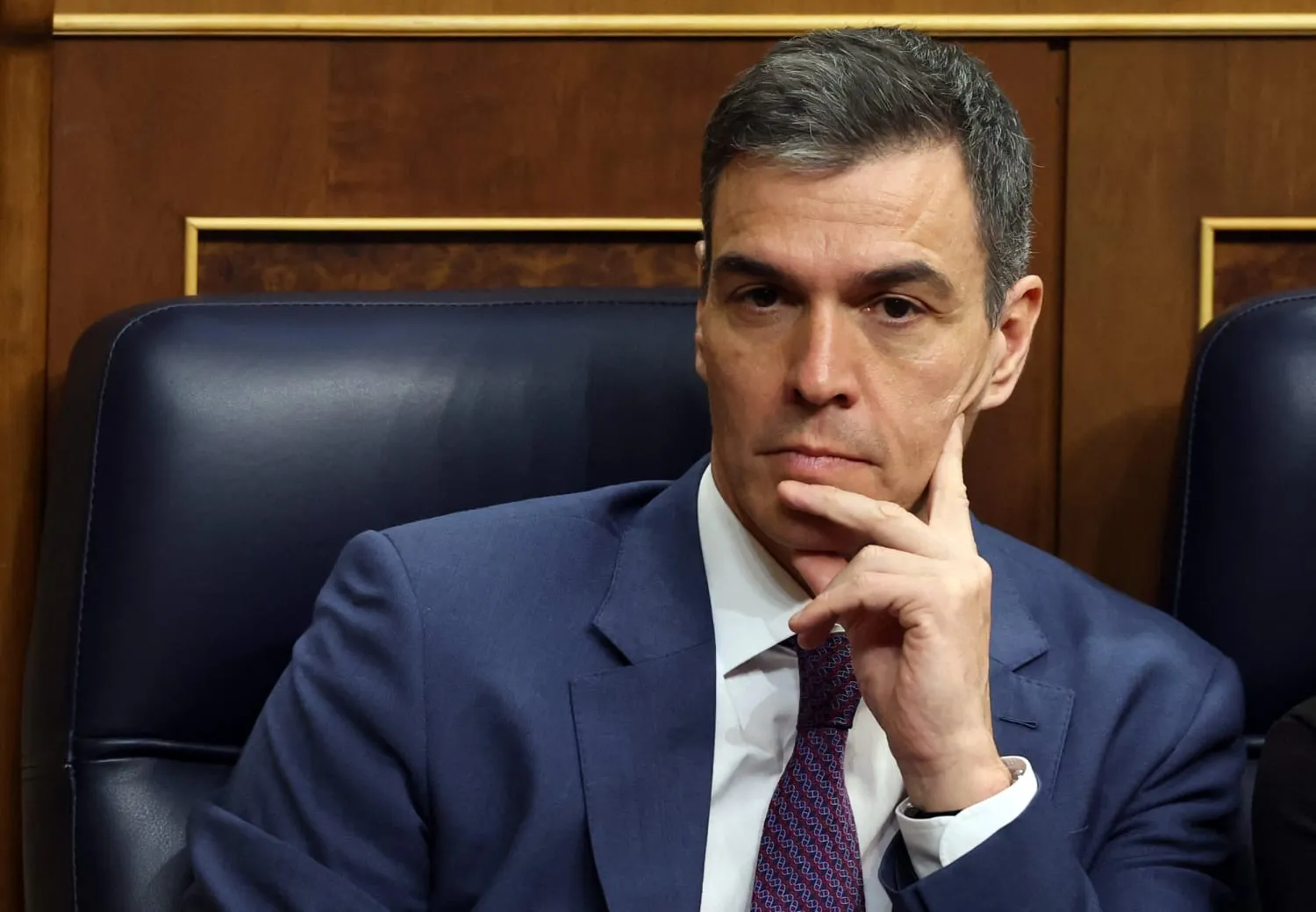
The large-scale legalization of migrants in Spain has sparked a heated political debate between Pedro Sánchez’s government and opposition forces.
Alberto Núñez Feijóo, leader of the center-right People’s Party, stated that the government is attempting to use this policy to expand its electoral base. He linked the current immigration campaign to the “Grandchildren’s Law” passed in 2022, which simplifies the process of obtaining citizenship for the descendants of Spaniards who left the country during the Civil War and the dictatorship. According to Feijóo’s estimates, the total number of immigrants in recent years, combined with the new programs, creates an excessive burden that no country can bear from a social and cultural perspective.
In response, representatives of Sánchez’s cabinet called the opposition’s statements irresponsible. They emphasized that Feijóo is deliberately conflating the acquisition of a residence permit with the acquisition of citizenship. Participants in the new program receive only work and residence permits, which do not grant them the right to vote in national or regional elections. Later, the leader of the People’s Party softened his stance somewhat, recognizing the right to citizenship for individuals with clearly proven Spanish ancestry, but criticized the government for a lack of transparency.
Meanwhile, the far-right party Vox has stepped up its criticism, calling the government’s actions “covert electoral fraud.” The party called for a review of the legislation and for restrictions on mail-in voting for Spaniards abroad, as it sees this as posing a risk of manipulation.
According to official data from Spain’s Ministry of Migration, the number of applications for legalization reached 1,174,968, significantly exceeding the government’s initial forecast of 500,000 people. More than 609,000 cases have already been accepted for review, and applicants have received temporary permits. The program applies to foreigners who have been in the country for at least five months by the end of 2025 and have no criminal record. Minister Elma Saïs emphasized that 67% of the applications came from citizens of Central and South American countries, particularly Colombia, Venezuela, and Peru, with a significant portion also coming from Morocco. She added that this step will allow hundreds of thousands of people to emerge from the informal sector and gain basic rights.
Source: Politico.
At the European Union summit, a heated debate erupted between Italian Prime Minister Giorgia Meloni and Spanish Prime Minister Pedro Sánchez over addressing the issue of illegal migration through legalization.
At the same time, large-scale rallies by both supporters and opponents of migration took place in Rome.


