
Lawyer Odinkalu names four stages of Nigeria’s electoral cycle
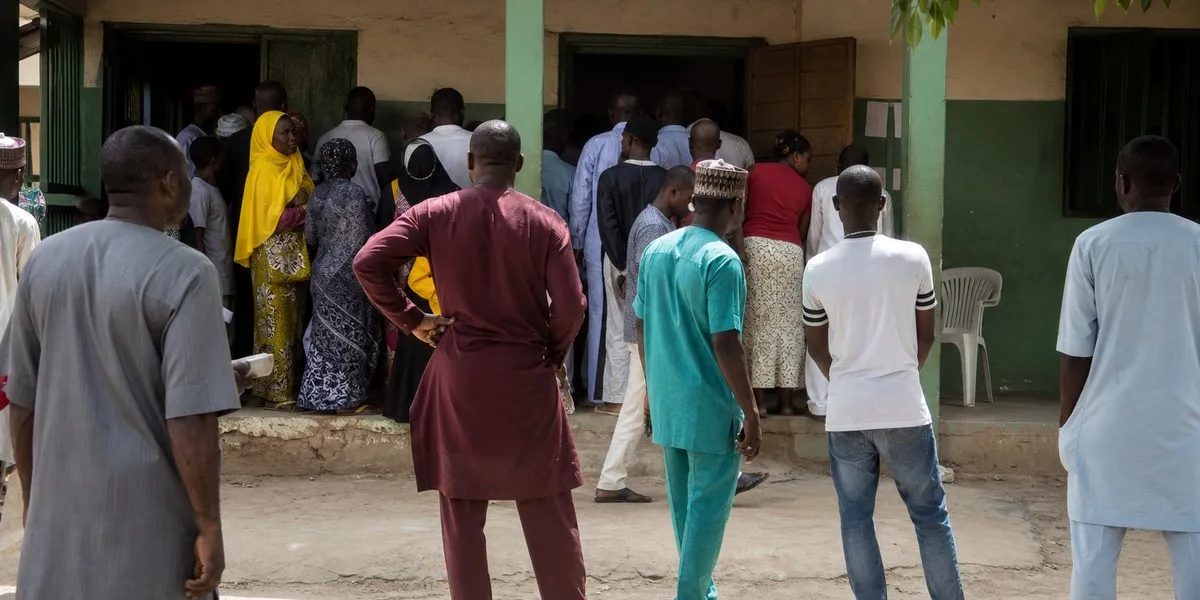
In Nigeria, the electoral cycle effectively consists of four interdependent stages: political support for the judicial system, party campaigning, voting, and judicial resolution of disputes. This assessment was expressed by lawyer and lecturer at The Fletcher School of Law and Diplomacy Chidi Anselm Odinkalu in his Premium Times Nigeria column.
The role of courts in elections
The author recalled that ahead of the 1979 presidential election, Nigeria’s Federal Electoral Commission disqualified two of the five candidates: Nnamdi Azikiwe of the Nigerian People’s Party and Aminu Kano of the People’s Redemption Party. Irregularities in their tax returns were cited as the reason.
According to Odinkalu, a court ruling in favor of Azikiwe’s participation in the election was issued in the penultimate week of July 1979, around three weeks before the August 11 vote. Kano was allowed to run on August 1, ten days before the election. The author believes that uncertainty over their participation undermined both candidates’ chances.
More current news is available on the UA.News Telegram channel Telegram.
He also called the 2007 case of Rotimi Amaechi an important precedent. Amaechi won the primaries ahead of the Rivers State gubernatorial election, but the party replaced him with Celestine Omehia. After Omehia won the election, the Supreme Court ruled on October 25, 2007, that the replacement was unlawful. The court concluded that voters had voted for the party, and Amaechi therefore received the mandate despite not appearing on the ballot.
Four stages of the campaign
In Odinkalu’s view, this ruling erased the clear boundary between pre-election and post-election disputes. He argues that since then, courts have become one of the key arenas in the struggle for political power, while politicians pay particular attention to relations with the judiciary and appointments within it.
The author notes that the digital environment has become an important platform for political campaigns, and that artificial intelligence will for the first time become one of the factors in campaigning during the 2026–2027 election season. In his assessment, the brief voting phase is subsequently replaced by judicial consideration of disputes, in which lawyers and judges play a notable role.


