
Jerusalem Post reported details of pager operation in Lebanon
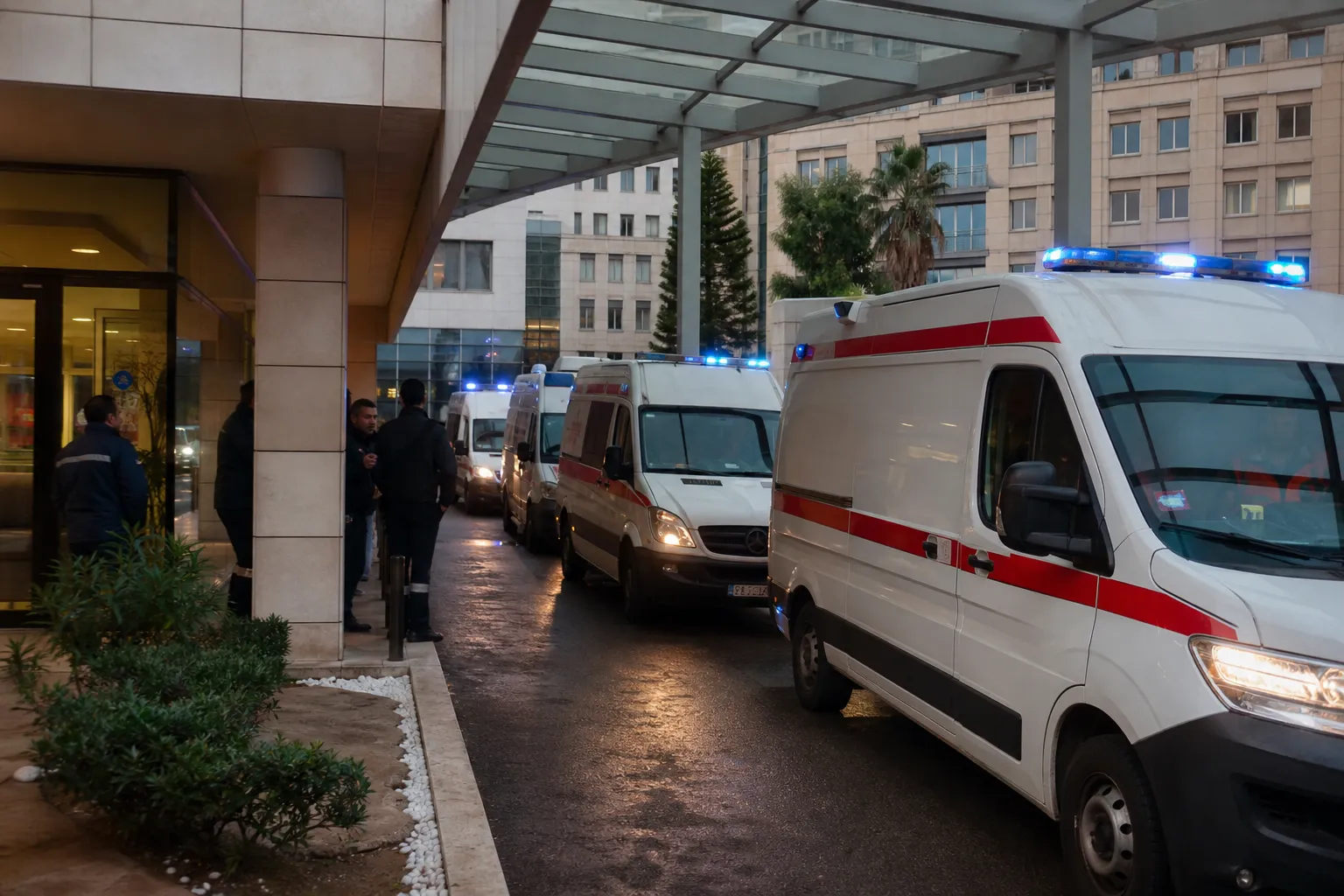
In Lebanon, pager explosions on September 17, 2024, killed or injured about 3,500 Hezbollah operatives. The following day, explosions involving walkie-talkies, mobile phones, and other devices injured approximately 500 more representatives of the group. The Jerusalem Post reported details of the operation, which the publication links to Israel’s Mossad intelligence service.
US warning
According to the Jerusalem Post, at Mossad headquarters in Tel Aviv, they awaited the results of the operation for ten minutes before the explosions. The service’s director, David Barnea, could not immediately assess its consequences because, as the publication writes, there was no means of remotely tracking the devices.
Former US deputy assistant secretary of defense for Middle East affairs Dan Shapiro said that on the morning of September 17, then-Israeli Defense Minister Yoav Gallant warned Pentagon chief Lloyd Austin by phone about the use of a “special capability” in Lebanon. According to Shapiro, Gallant did not explain its nature, and the American side saw reports of the explosions on television less than half an hour after the conversation.
More current news is available on the UA.News Telegram channel Telegram.
Device preparation
The Jerusalem Post claims that the groundwork for the operation began to take shape in 2002–2006, when Yossi Cohen worked for then-Mossad chief Meir Dagan. In 2014, Mossad and Israeli military intelligence, according to the newspaper’s version, began developing a plan to use Hezbollah’s walkie-talkies for surveillance and sabotage.
A former Mossad agent who appeared under the fictitious name Michael on CBS’s 60 Minutes said that the batteries in the walkie-talkies contained explosive devices and were manufactured at a service facility in Israel. According to him, Hezbollah purchased more than 15,000 such walkie-talkies. The publication notes that they were usually carried only during war or training exercises.
Then-Hezbollah leader Hassan Nasrallah urged supporters not to use mobile phones because of the risk of being tracked through cellular networks. Instead, he preferred pagers, believing they could receive messages without revealing the user’s location.


