
Kazakhstan has rejected Russia's participation in the construction of the thermal power plant
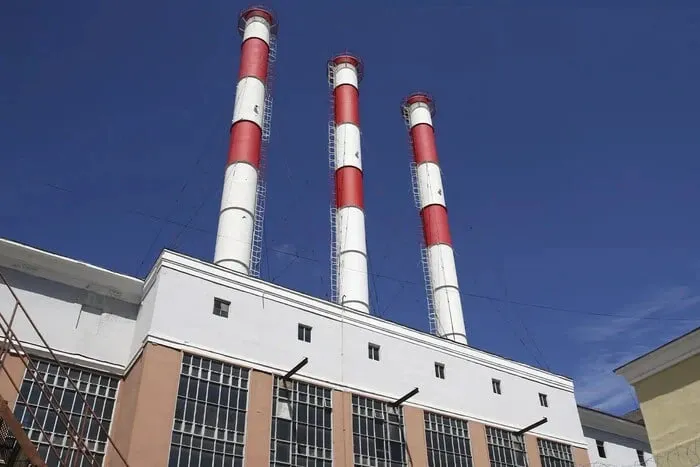
Kazakhstan has decided not to involve Russian companies in the construction of combined heat and power plants in Semey, Kokshetau, and Ust-Kamenogorsk.
The country’s government announced that the projects will be implemented without the participation of Russia’s Inter RAO. Instead, the construction of the CHP plants is planned to be carried out with partners from Singapore.
This became known during the latest meeting of the Kazakh government.
At the government meeting, it was revealed that Kazakhstan has decided to build the CHP plant in Kokshetau on its own, while two others will be built by a Kazakh-Singaporean consortium involving the company “Samruk-Energo.” Design work is already underway in Kokshetau.
What is known about the construction of the plants
- Kokshetau CHP: Kazakhstan has decided to build it entirely on its own. The 820 Gcal plant is scheduled to launch in the first quarter of 2029. The project cost is estimated at 300 billion tenge.
- CHP plants in Semey and Ust-Kamenogorsk: Construction will be carried out by a Kazakh-Singaporean consortium with the participation of Samruk-Energy. These facilities will be more expensive—approximately 400 billion tenge each.
“On January 30, 2026, EPC contracts were signed with a Kazakh-Singaporean consortium for the construction of thermal power plants in Ust-Kamenogorsk and Semey,” said Kairat Maksutov, Chairman of the Board of Samruk-Energo (a subsidiary of Samruk-Kazyna), Kairat Maksutov, chairman of the board of Samruk-Energo (a subsidiary of Samruk-Kazyna), said at a government meeting.
It is also reported that site preparation and equipment procurement will begin in the near future.
“I would like to note separately that artificial intelligence and clean coal technologies will be used at all three CHP plants,” added Maksutov.
Why Russia Was Left Out
Preliminary agreements on the construction of these CHP plants were reached back in November 2023 during Vladimir Putin’s visit to Kazakhstan. At that time, the cost of the projects was estimated at $2.7 billion, and the Russian holding company “Inter RAO” was to serve as the general contractor.
However, the project ran into financial difficulties on the Russian side:
- Lack of incentives: Kazakhstan never received information regarding the provision of the promised preferential financing from the Russian Federation.
- Loan issues: Russian banks were supposed to provide 15-year loans, but difficulties arose regarding interest rate subsidies for equipment purchases.
Due to Moscow’s inability to ensure stable financial conditions, Astana decided to change partners and rely on its own resources and investments from Singapore.
The U.S. allowed Kazakhstanto continue transiting oil from Russia to China.
Russian gas supplies to European countries via the Turkish Stream pipeline in March 2026 increased by 22% compared to the same period last year.
The U.S. has temporarily lifted sanctions on several Russian vessels. This applies to container ships and tankers flying the Russian flag that were already en route. New shipments and transactions with Iran remain prohibited.


