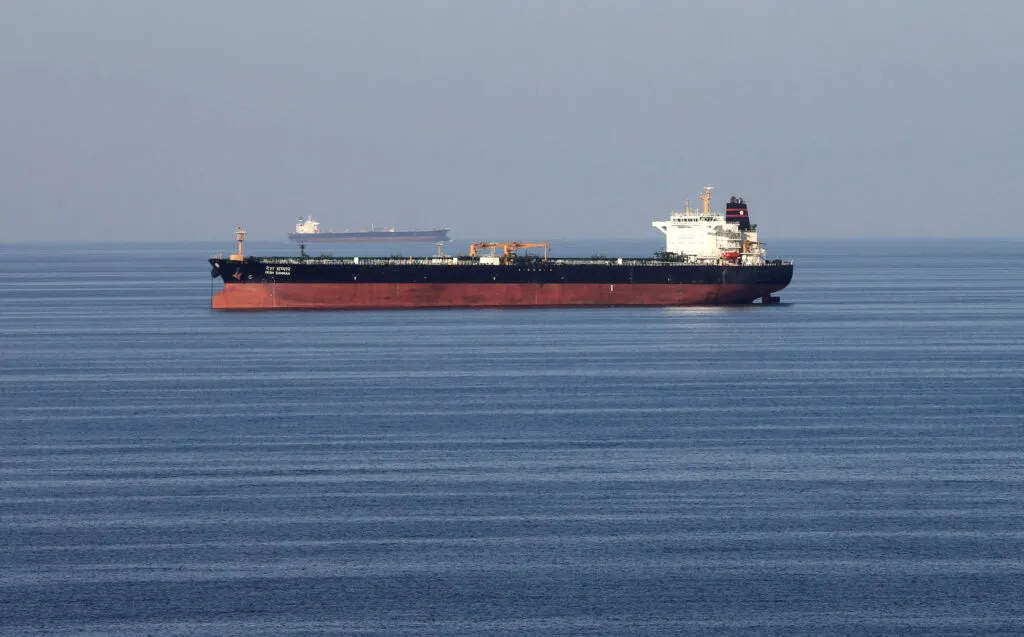
Kazakhstan has called on Ukraine to stop attacks on tankers transporting Kazakhstani oil through the infrastructure of the Caspian Pipeline Consortium (CPC) in the Black Sea. Officials in Astana stated that such attacks harm the country’s economic interests and warned that they may seek compensation for damages.
The Kazakh Ministry of Foreign Affairs issued an official statement following a series of drone attacks on vessels transporting Kazakh oil. The ministry emphasized that it considers such attacks an “unacceptable encroachment on the economic interests” of the country.
The Foreign Ministry also stated that the attacks could negatively impact international trade and the safety of shipping in the Black Sea. “Kazakhstan demands an immediate cessation of such actions and reserves the right to seek compensation for the damages incurred in accordance with established procedures,” the Foreign Ministry’s statement reads.
The statement was prompted by attacks that, according to Kazakhstani authorities, took place on July 17, 19, and 20. Specifically, on July 19, drones attacked the tankers Asia and Nissos Ios, and on July 20, the vessel NELSA was struck. According to Kazakhstan, all three tankers had been loaded with Kazakhstani oil at the Caspian Pipeline Consortium terminal in Novorossiysk.
Following these incidents, the Caspian Pipeline Consortium announced a temporary suspension of oil shipments through its maritime terminal. The CPC is a key route for the export of Kazakhstani oil. According to the consortium, approximately 80% of Kazakhstan’s total oil exports pass through its infrastructure.
That is why any disruptions in the terminal’s operations could affect the supply of crude oil to international markets and cause economic losses for the country. So far, the Ukrainian side has not officially commented on the statement by the Kazakh Ministry of Foreign Affairs or the demands that were made. The situation surrounding the attacks on tankers continues to unfold. The focus remains on the operations of the Caspian Pipeline Consortium, which serves as one of the main routes for exporting Kazakhstani oil through the Black Sea. This is reported by Russian media.
In Kazakhstan, oil production has returned to normal levels at one of the country’s largest fields—Karachaganak. Following the completion of maintenance work, production has returned to normal levels. The Kazakh Ministry of Energy reported this, noting that the field is once again operating as usual.