
The Houthis attacked Marib with six ballistic missiles and drones
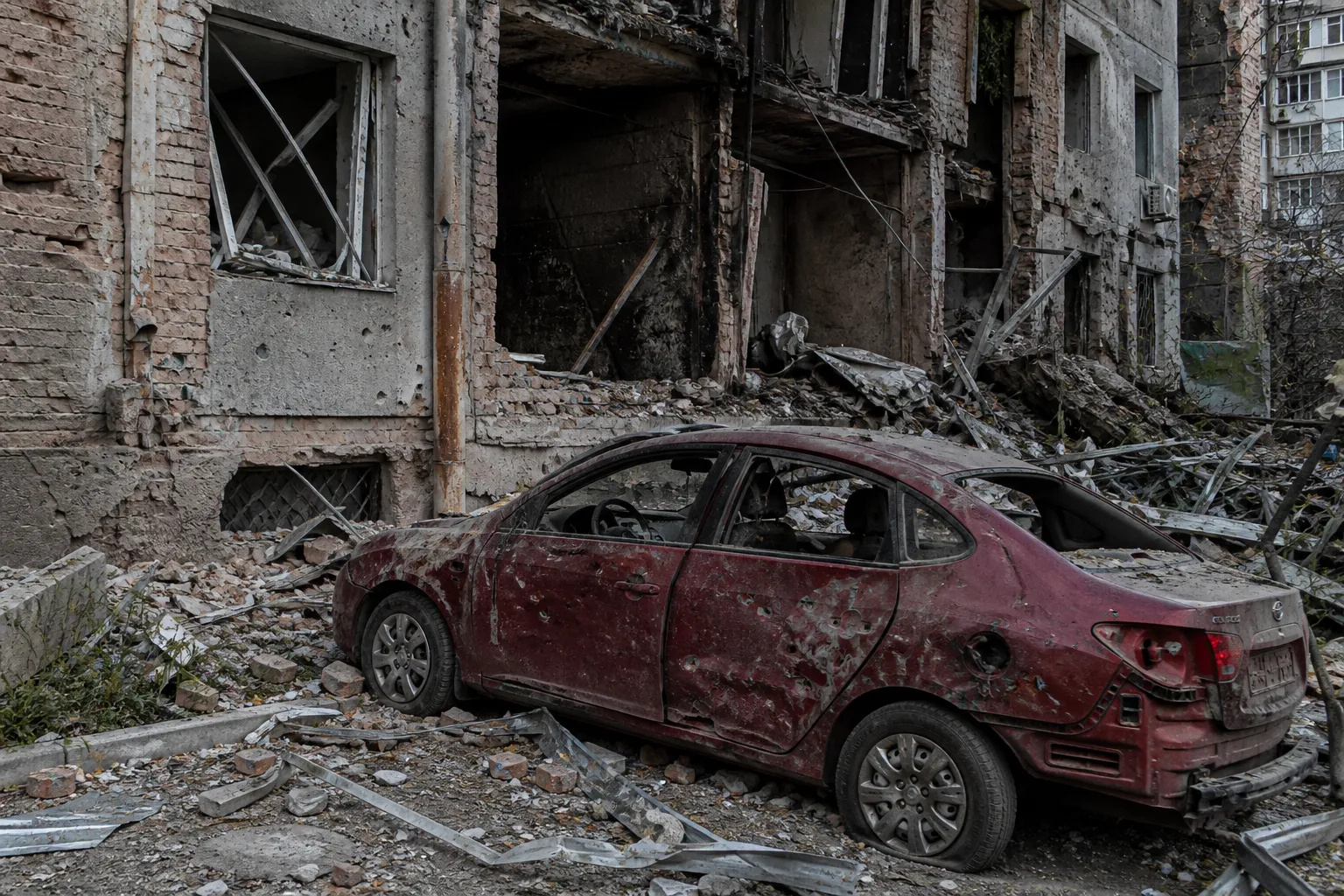
The Houthis launched a series of strikes on the Yemeni government-controlled city of Marib, targeting residential areas in particular. According to local authorities, the attacks left several people injured and caused damage to homes, vehicles, and other property.
On Saturday, the Houthis fired four ballistic missiles at the city and deployed four drones, the Marib provincial administration reported. Later that day, another ballistic missile injured one person. On Saturday night, the Houthis launched a sixth ballistic missile toward Marib.
Provincial authorities stated that the strikes are part of an ongoing offensive that threatens the lives of civilians, camps for internally displaced persons, and residential areas. Yemen’s Ministry of Information called the continued attacks on densely populated areas of Marib a dangerous escalation that endangers people’s lives and exacerbates their suffering.
For more breaking news, follow the UA.News Telegram channel.
Marib is home to the largest number of internally displaced persons in Yemen: more than 2 million of the approximately 5 million Yemenis who have been forced to leave their homes during the war. Al Jazeera reported that editorially verified video captured the destruction following Saturday’s strikes.
The attacks on Marib took place amid fighting in the south of the country. Yemeni government forces stated that their drone strikes killed three fighters from the Iran-backed Houthis, including field commanders, and wounded others on the Makban front west of Taiz. According to a military source cited by the Saba news agency, a separate strike destroyed a Houthi military vehicle in Jabal al-Zuhaybi, killing several more fighters.
The escalation in Yemen has been ongoing since early August, when Houthi rocket and drone strikes on military camps in Marib and Hadramaut killed at least 30 government soldiers. UN Special Envoy for Yemen Hans Grundberg warned the UN Security Council this week that the country faces the highest risk of a return to full-scale war since the UN-brokered ceasefire in April 2022.




