
China halts fuel exports to Asia and Australia, raising risks for aviation and fisheries
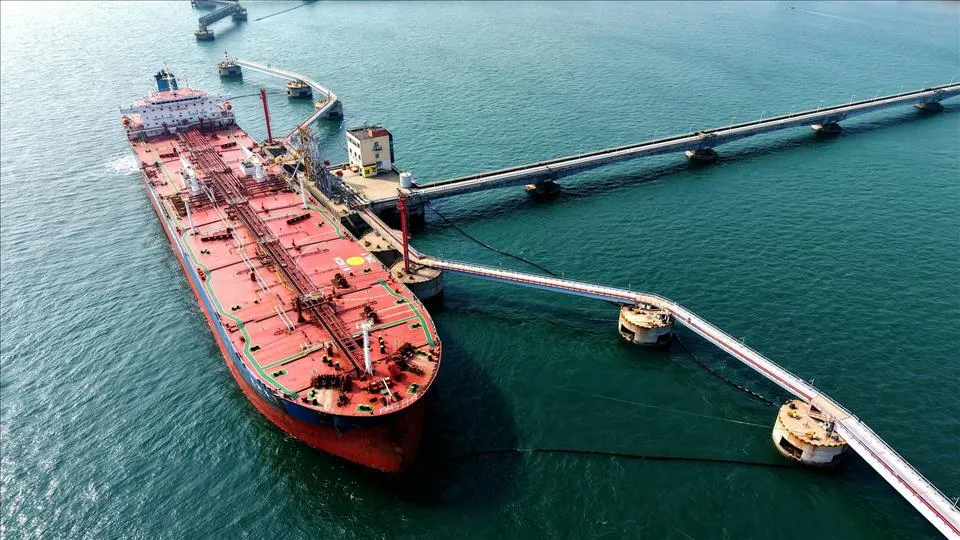
China has announced it will halt fuel exports to Asia and Australia, a move that could create significant challenges for airlines and the fishing industry across the region. Australia may be among the most affected countries due to its strong dependence on imported aviation fuel.
According to industry sources and energy market analysts, around 32% of Australia’s aviation fuel imports come from China.
With fuel prices approaching $200 per barrel, airlines could face sharply rising operational costs. In addition to fuel expenses, carriers must also cover aircraft maintenance, infrastructure costs, and pilot salaries, which increases the financial pressure on the industry.
Thailand’s fishing industry may also be affected
Fuel shortages are already raising concerns in other parts of Asia. The President of the Thai Fishing Association warned that due to rising diesel prices, about half of Thailand’s fishing fleet could remain in port.
Thailand’s fishing fleet includes roughly 9,000 vessels, meaning that reduced operations could significantly affect seafood supply and the broader fishing economy.
Thailand’s Ministry of Energy is preparing negotiations with Russia to secure additional oil supplies to offset potential shortages. Government estimates suggest the country currently holds fuel reserves for about 98 days.
Rising geopolitical risks for energy markets
Concerns are also growing about the security of key maritime energy routes. According to U.S. sources, the Pentagon and the U.S. National Security Council previously underestimated the possibility that Iran could close the Strait of Hormuz in response to potential U.S. military strikes.
However, some U.S. officials believe Iran is unlikely to take such a step, as blocking the strait would also severely damage its own economy.
Analysts say the combination of fuel supply disruptions, rising energy prices, and geopolitical tensions highlights the vulnerability of energy markets in Asia and Australia, increasing risks for maritime trade and aviation in the near future.
