
China accuses Palau of “stoking tensions” over missile test
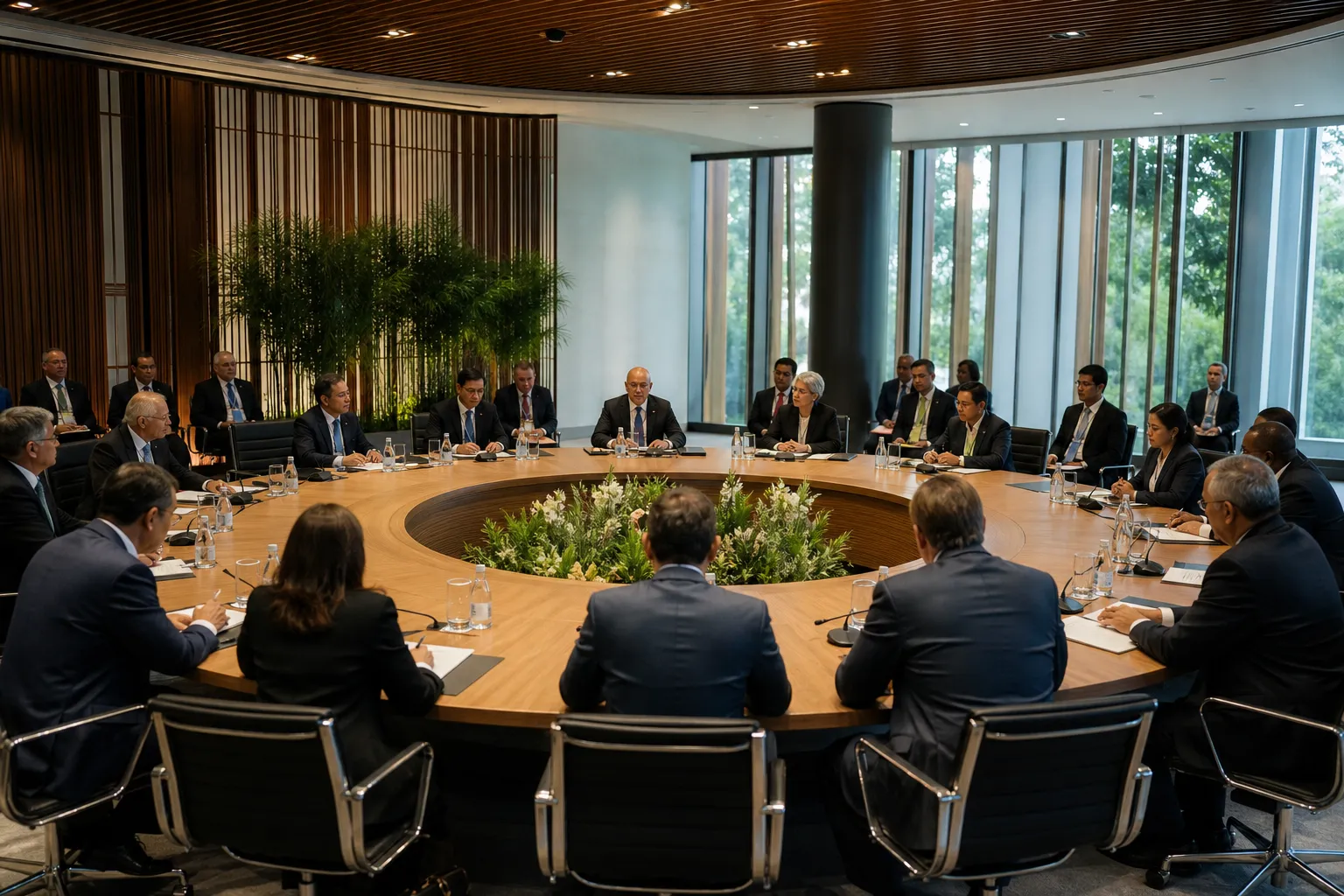
China accused Palau of “stoking tensions” over a ballistic missile test in the Pacific Ocean. Palauan President Surangel Whipps Jr. expressed hope that a reference to the launch would be included in the joint statement of the 18 member states of the Pacific Islands Forum.
As Daily Maverick reports, Whipps said it was important for countries in the region to speak with one voice so that Beijing would respect sovereignty, maintain transparency and be a responsible partner. According to him, Pacific states do not want their homes and region to be threatened or disrespected.
Beijing’s reaction
In July, China conducted a ballistic missile test. It was China’s first known launch in the Pacific Ocean since September 2024. It took place several hours after Fiji and Australia signed a major defense agreement, which became Fiji’s first-ever alliance.
Last month, the foreign ministers of the Pacific Islands Forum countries failed to agree on a statement condemning the launch. At the same time, individual leaders publicly and privately expressed concern over the militarization of the region.
More current news is available on the UA.News Telegram channel Telegram.
China’s Foreign Ministry reiterated that the test had been conducted safely and said that the country had never engaged in military expansion. Ministry spokesperson Guo Jiakun called Palau’s repeated “stoking of tensions” and attempts to influence the positions of other forum member states malicious and said they would not succeed.
Dispute over Taiwan
The Pacific Islands Forum meeting also took place amid China’s objections to Taiwan’s presence at the summit. Palau is one of three Pacific states that maintain official diplomatic ties with Taiwan.
China considers democratically governed Taiwan to be its territory and has not renounced the use of force to establish control over the island. Taiwan rejects China’s sovereignty claims and says that only the island’s people can determine its future.
The prime ministers of Fiji, Vanuatu, Samoa and the Solomon Islands, as well as the president of Kiribati, did not attend the summit, sending lower-ranking ministers instead. New Zealand Foreign Minister Winston Peters said he suspected possible foreign interference in the absence of some leaders, without directly accusing China. China’s Foreign Ministry called the remarks unfounded.


