
Victoria Coalition promises three selective schools — ABC News Australia
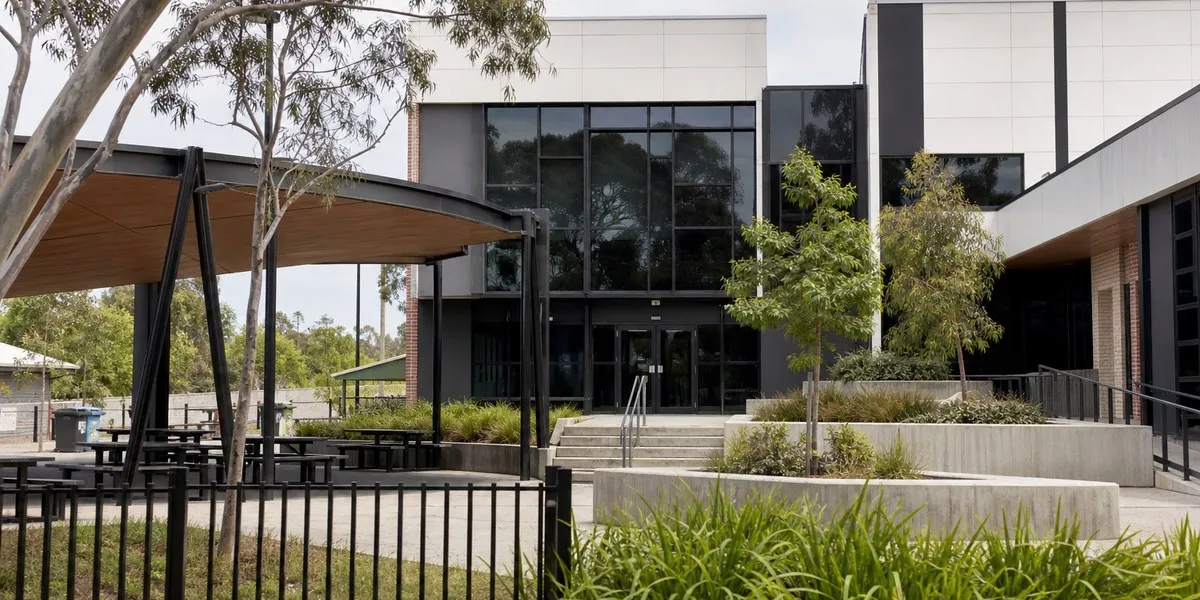
Australia’s Victorian opposition Coalition has promised to build three new selective-entry schools in Melbourne’s fast-growing suburbs by 2030 if it wins the election in November. ABC News Australia reports.
The Coalition also plans to repurpose six existing schools to educate students with high academic achievement. By its estimate, this could approximately double the number of places at selective-entry schools.
Potential locations
The Coalition said it intends to purchase land in three of Melbourne’s fastest-growing areas. In the city’s west, it proposes building a school in Melton, Caroline Springs or Sydenham. In the north, Craigieburn or Roxburgh Park were named as possible locations, while in the south-east, the options are Langwarrin or Cranbourne South.
Opposition leader Jess Wilson said that thousands of students sit the entrance examination for such institutions each year, but many of them cannot secure a place. According to her, the state does not have enough schools focused on students with high academic achievement.
More current news is available on the UA.News Telegram channel Telegram.
Existing schools
Victoria currently has four fully selective secondary schools: Melbourne High School in South Yarra, Mac.Robertson Girls' High School in Albert Park, Nossal High School in Berwick, and Suzanne Cory High School in Werribee. To gain admission to Melbourne High School and Mac.Robertson Girls' High School, candidates take a standardised three-hour entrance examination that tests, among other things, literacy and mathematical skills.
The state also has John Monash Science School in Clayton, which has its own entrance examination and separate admission criteria. Wilson compared the situation with New South Wales, which has 21 fully selective schools and another 26 partially selective institutions.
Brad Rowswell, the opposition’s education spokesperson, said that such schools give students the opportunity to succeed in the public education system regardless of where they live.


