
Bloomberg Opinion columnist says Nepal needs reservoir dams after floods
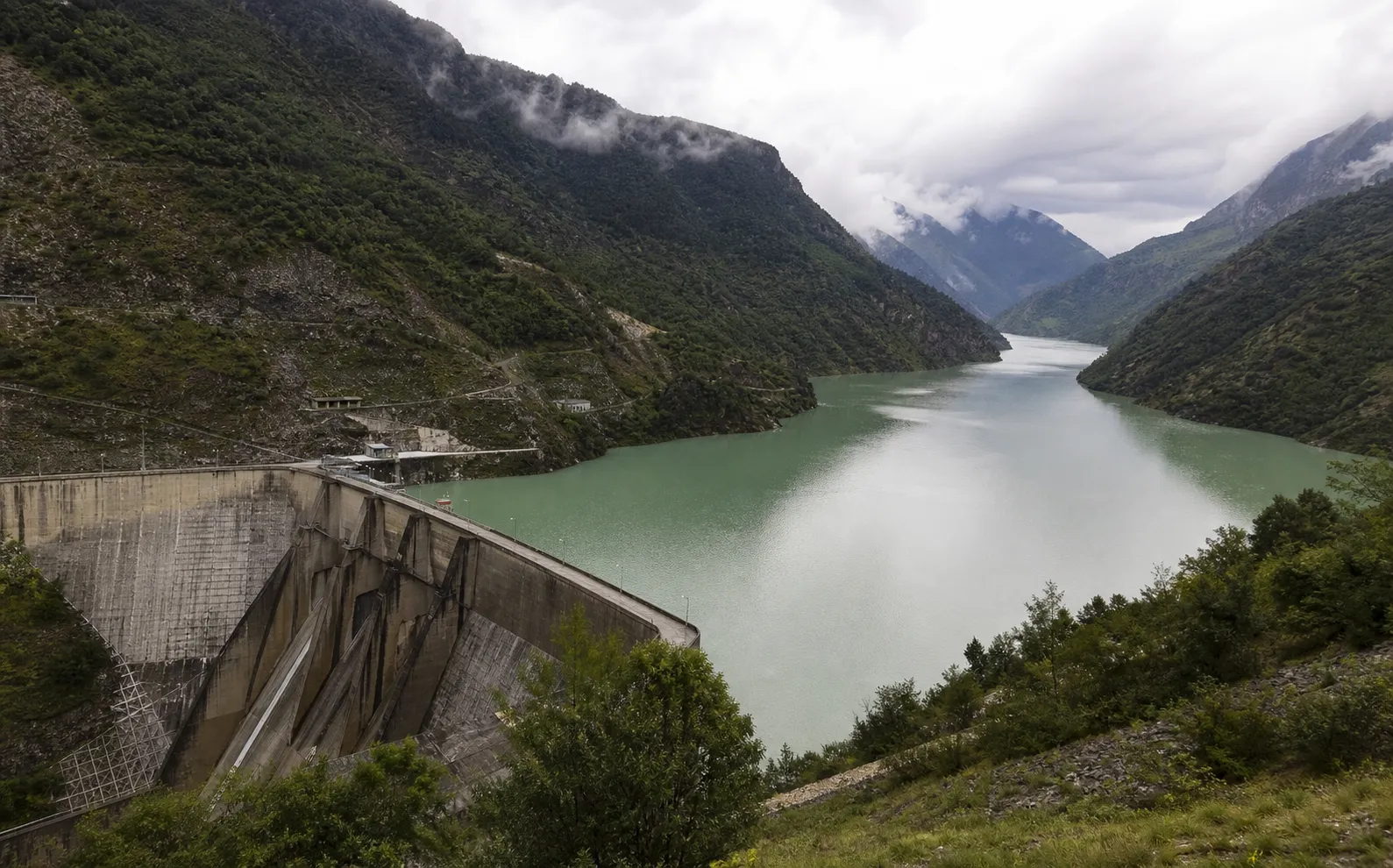
Nepal should develop hydropower projects with reservoirs rather than focus mainly on run-of-river plants, Bloomberg Opinion columnist David Fickling believes. In a column published by the Korea Herald, he links the need for such infrastructure to deadly floods on the Nepal-China border. According to figures cited in the column, 955 people died and more than 4,000 others were considered missing.
Dams and flood protection
The author acknowledges that large dams can flood river valleys and cause the forced resettlement of communities. He mentions the construction of reservoirs on India’s Narmada River, which, he says, led to the displacement of hundreds of thousands of people, including poor members of tribal groups and lower castes.
At the same time, Fickling notes that dams with reservoirs can generate low-carbon electricity on demand and help control floodwaters. As an example, he cites events in 2018 on the upper Yangtze. After a landslide blocked part of the river and formed an unstable lake, operators of six downstream reservoirs released 1.3 billion cubic meters of water to make room for a possible outburst wave. In the author’s assessment, this, together with other measures, substantially reduced the damage.
More current news is available on the UA.News Telegram channel Telegram.
The column also mentions a 2022 study according to which reservoirs in Austrian river valleys have reduced extreme water levels by about one-third over recent decades compared with previous peak levels.
Nepal’s hydropower sector
About 90% of Nepal’s hydropower capacity, according to Fickling, consists of run-of-river projects. Such plants use the river’s flow but cannot store significant volumes of water. Therefore, they have limited capacity to regulate electricity generation and protect against floods. Workers who went missing or were rescued from flooded construction tunnels after the flood discussed in the column were working on such projects.
Fickling writes that Nepal has developed 3.4 GW out of 42 GW of economically viable hydropower potential, while another 4.3 GW is under construction. Until 2023, the country imported more electricity from India than it exported. Hydropower commitments accounted for 2.8% of energy financing by major development banks in 2022, the lowest figure since 2009.


