
In Estonia, scam victims increasingly mistake police for fraudsters
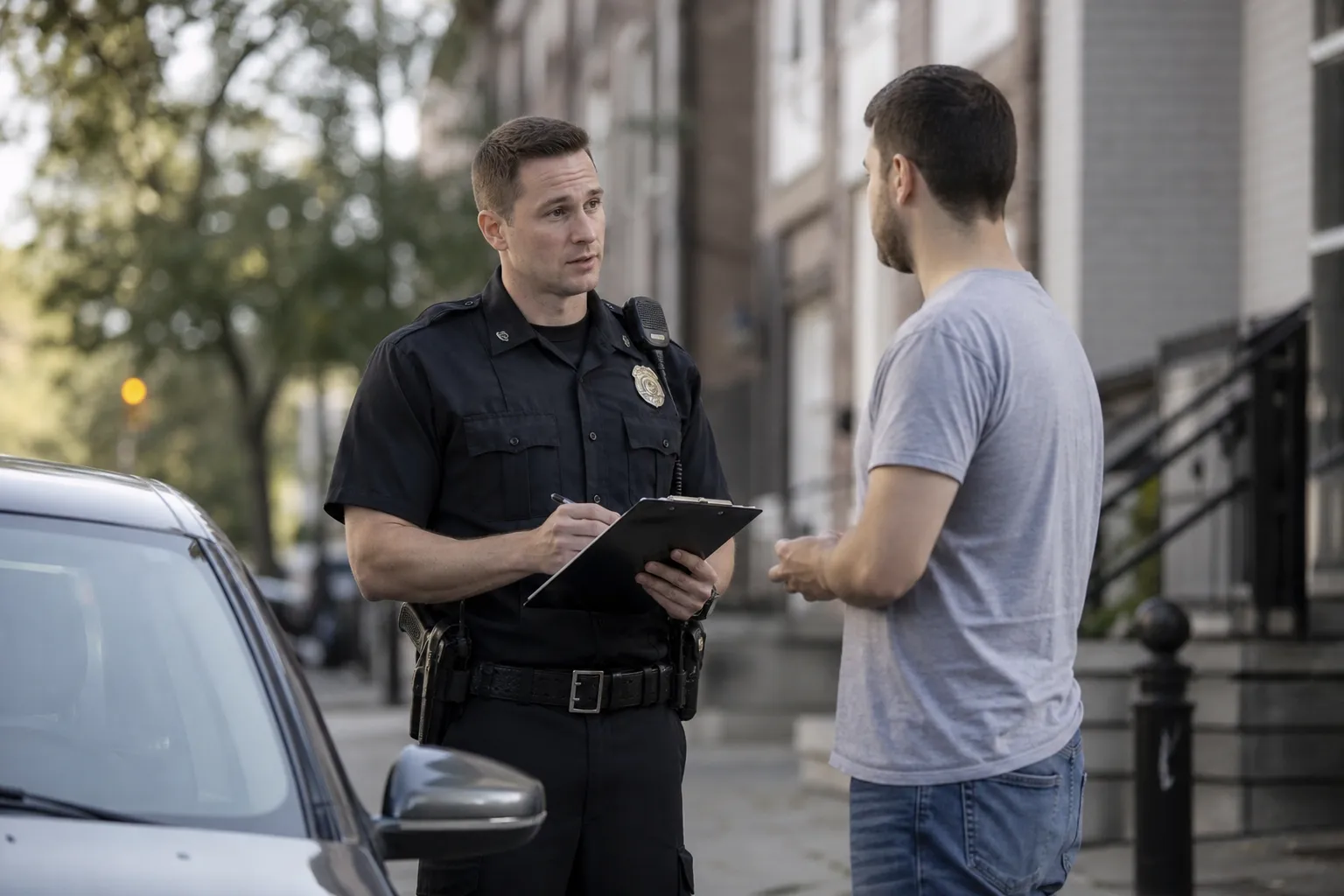
In Estonia, victims of phone scams are increasingly hanging up when real police officers call them because they believe they are fraudsters. This is reported by ERR News, citing Valmar Viiatak, head of the Serious Crimes Department of the Northern Prefecture.
According to him, relatives sometimes notice a person's suspicious behavior and notify the police that they are about to hand money over to a stranger. However, police officers responding to the call are not always able to convince the victim that they have been deceived. Some people deny the situation or believe they are carrying out tasks as part of an alleged secret police operation.
Scammers use code words
Viiatak said that victims sometimes ask a police officer to name a code word that the scammers had told them in advance. The fraudsters convince people that it confirms the caller's authenticity and that anyone who does not know it cannot be trusted. If a law enforcement officer cannot name such a word, the victim sees this as proof that the person is not a real police officer.
Through numerous calls, criminals create the impression that a person has allegedly become a victim of fraud and must follow instructions to save their money. The victim is told that they are helping expose criminals in a secret operation and is required not to tell anyone about it. At the final stage of the scheme, people may be asked to hand cash, bank cards, and documents to a courier or place them in a parcel locker for “verification.”
More current news is available on the UA.News Telegram channel Telegram.
Victims sell property
In the most serious cases, victims sold homes or cars and handed the money received to scammers. The manipulation can last for days or weeks: fraudsters try to build trust, take an interest in a person's daily life, and show feigned concern for their well-being.
Swedbank customer service head Ede Raagmets noted that bank employees also encounter distrust from customers who assume that a call may be fraudulent. She advised ending the conversation and calling the bank's support service independently. The bank can also send a secure message through online banking. Bank employees do not ask for PIN codes or request that they be entered during a phone conversation.
What to do in case of fraud
Viiatak stressed that the police do not involve people in secret operations and never ask them over the phone to verify their identity through Smart-ID or Mobile-ID. Signs of fraud include pressure to act immediately, an order not to tell loved ones about the call, a request to confirm something using PIN codes, or to hand over money. In the event of fraud, one should first call the bank, block cards, and ask for transfers to be stopped, then file a report with the police, attaching all available evidence.


